dailynewsnblog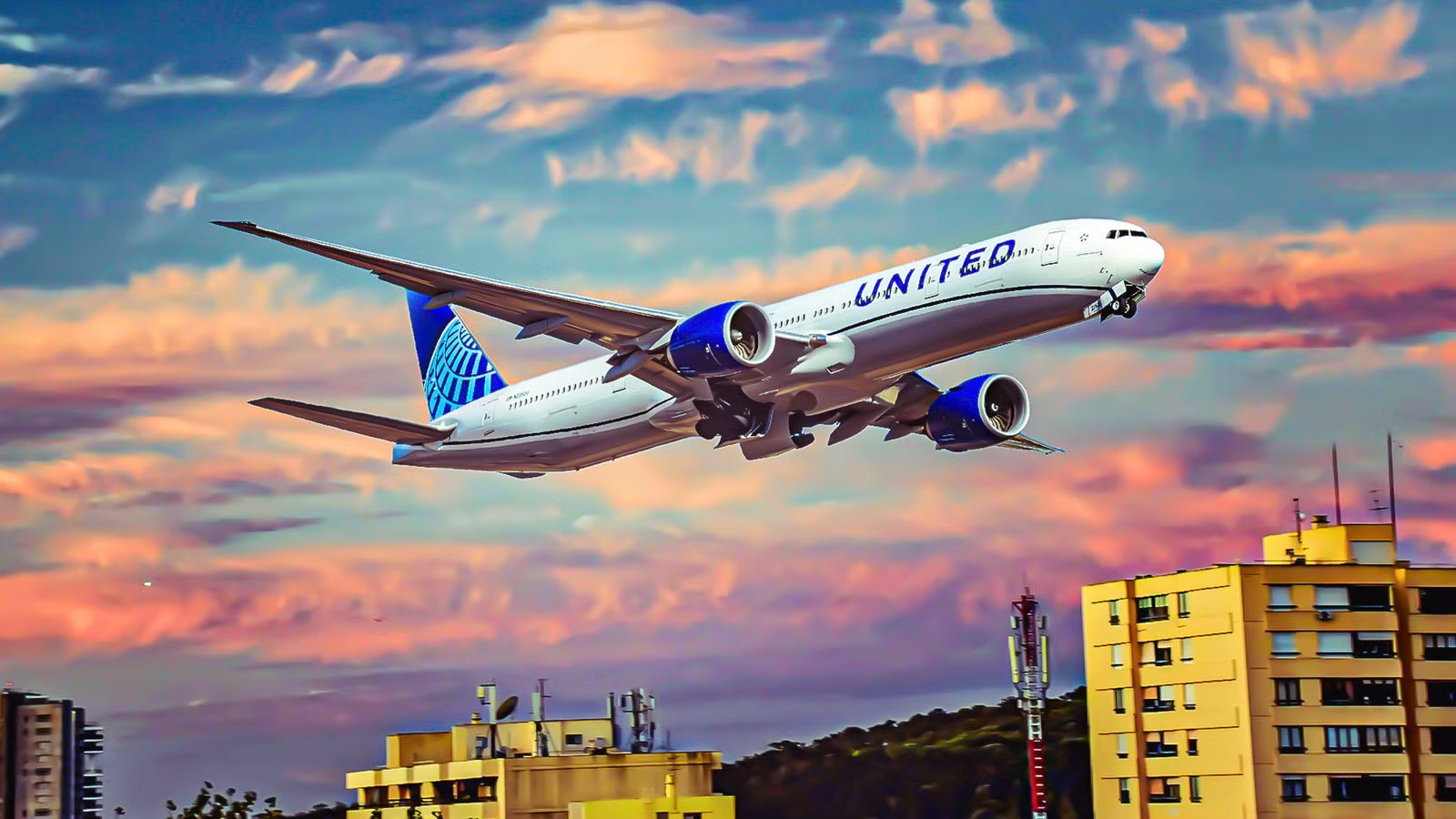
When geopolitical tensions disrupt global aviation, airlines typically brace for higher costs and operational uncertainty. However,  United Airlines appears to be emerging from the current Middle East airspace disruptions in a surprisingly strong position. Speaking in Denver this week, CEO Scott Kirby suggested the airline has been preparing for such volatility for years. The result is a carrier that may be better positioned than many rivals to weather the situation and potentially even benefit from it.
Recent booking data suggests travelers are already shifting their behavior. According to the Market Watch report, United recorded its best-ever single day for bookings on Tuesday, driven in part by passengers avoiding routes that require transiting through Middle Eastern airspace. While the disruptions pose challenges for many carriers, United’s financial resilience and network structure appear to be providing unexpected advantages.
United Airlines’ Financial Strength Provides Stability During Global Disruption

As reported on X, United’s leadership says the airline has spent years preparing for a scenario in which geopolitical instability or oil price shocks disrupt global travel patterns. Kirby emphasized that the company currently holds roughly $17 billion in cash reserves, providing a substantial financial buffer if fuel prices spike or international traffic becomes volatile.
This level of liquidity is significant in an industry that historically operates with thin margins and heavy debt loads. According to Kirby, United could theoretically continue operating through the end of the year even if oil prices surged to extreme levels, which is far above current expectations. Such preparation allows the airline to remain operationally stable while competitors may struggle with rising costs.
The strategy reflects a broader philosophy within United’s leadership: resilience during crises can translate into competitive advantage. If disruptions place financial strain on weaker Airlines, United could be well positioned to capitalize on market opportunities arising from the turbulence.
Shifting Passenger Demand Is Driving Record Booking Levels

While disruptions in the Middle East due to 2026 Iran Crisis have forced many airlines to reroute flights or suspend certain services, United’s network exposure to the region is relatively limited compared with some European and Asian carriers. This reduces the immediate operational impact while still allowing the airline to capture shifting passenger demand.
At the same time, travelers are increasingly choosing itineraries that avoid conflict-affected airspace. This trend has the potential to redirect traffic toward airlines with route structures that bypass the Middle East entirely or offer convenient alternatives through North America and the Atlantic. United’s extensive transatlantic network could therefore become more attractive in the short term.
Another potential advantage lies in the competitive landscape. If the crisis drives up fuel costs or disrupts key international markets, financially weaker airlines may struggle to maintain operations. For well-capitalized carriers like United, that scenario could create opportunities ranging from increased market share to investments in airport infrastructure.
One such opportunity could involve acquiring airport gates or operational assets from struggling competitors. In aviation, access to gates at major hubs is a valuable commodity, and moments of industry stress have historically led to consolidation or strategic acquisitions.

United Is Growing Its Domestic Capacity At More Than 2x The Rate Of Its Competitors
The airline continues to expand capacity on key domestic markets.
Industry Turbulence Could Create Opportunities For Stronger Airlines

The record-breaking booking day reported earlier this week illustrates how quickly passenger behavior can shift during geopolitical crises. Travelers often respond by selecting airlines or routes perceived as safer or more stable, even if it means longer travel times or different connections.
This phenomenon has played out before. Following major disruptions, from volcanic eruptions to airspace closures, airlines with diversified networks and strong balance sheets frequently emerge stronger than those with concentrated route structures or limited financial flexibility.
For United, the current situation may ultimately reinforce the strategy pursued since the pandemic: building liquidity, strengthening its international network, and maintaining operational flexibility. While no airline welcomes geopolitical instability, United’s leadership appears confident that preparation and financial discipline will allow the carrier not only to endure the disruptions but potentially to grow from them.
Whether the Middle East airspace situation stabilizes quickly or evolves into a prolonged disruption remains uncertain. But United’s record bookings and strong cash position suggest that, in a turbulent aviation environment, preparedness can sometimes turn a crisis into an opportunity.