dailynewsnblog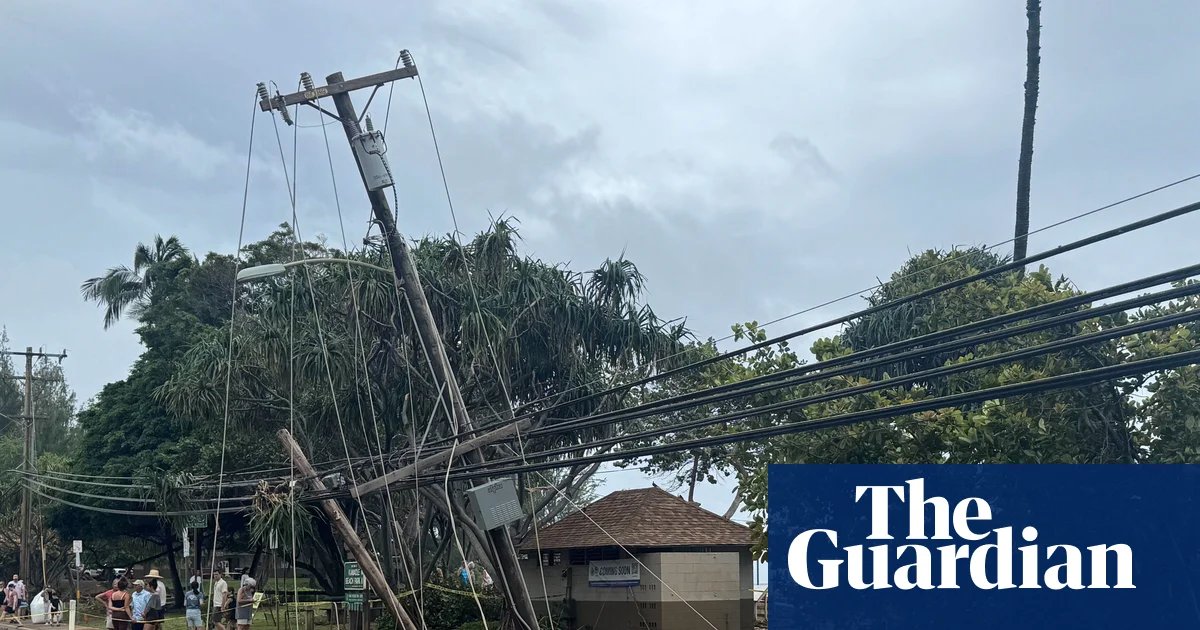
Rain continued falling in Hawaii on Sunday where a strong storm brought flash flooding, blizzard conditions and landslides to the islands as residents reported collapsed roads and one home washing away in rising waters.
Flash flooding has been a major problem in recent days in places such as Maui, Molokai and the Big Island, where rain had been falling between 1 and 2in (2.5 and 5cm) an hour overnight, according to the Hawaii emergency management agency.
According to the National Weather Service, the worst of the storm has passed but the rain isn’t finished yet. A flood watch is still in effect for Maui county and Hawaii island as well as a wind advisory for those areas and flash flooding warnings remain in effect until Sunday night.
“Winds this strong can make driving and walking dangerous. The winds can forcefully open doors and damage hinges or slam doors shut, possibly causing injuries,” according to the NWS forecast.
Richard Bissen, the Maui county mayor, said in a social media post late Saturday that some areas of Maui had received more than 20in (51cm) of rain in the previous 24 hours.
PowerOutage.us, which tracks outages nationwide, reported more than 35,000 electric customers in Hawaii without power as of midday Sunday.
“We’re seeing flooding, landslides, sinkholes, debris and downed power lines across the county,” he said. Expressing gratitude in the Hawaiian language, the mayor added “mahalo for continuing to look out for one another”.
Footage incorporated into the mayor’s video showed washed out or collapsed roads, a car stuck by floodwaters and raging waterways. National guard and fire department workers have made multiple floodwater rescues, Bissen said.
Tom and Carrie Bashaw said they could do little to prevent part of their home in Maui’s Iao Valley from collapsing beneath rising waters. On Friday, the water’s force starting overtaking nearby trees.
“When we lost the mango and monkey pod, we started throwing stuff in bags and packing up,” Tom Bashaw told HawaiiNewsNow. They returned on Saturday morning and “the whole backside of the house” was gone, he said.
The kona storm – so called because it is created from winds coming from the kona, or westerly, direction – brought snowfall to the highest peaks with reports of up to 20in on the Big Island’s highest summits. On Mauna Kea, snow and ice on the Nasa cameras there caused them to stop functioning on Sunday.
Jesse Wald, a Maui resident and real estate broker who recorded video of a coastal road’s collapse on Saturday, said other parts of road were flooded out by mud and sediment.
“In the 20 years I’ve been here I’ve never seen this much rain,” Wald said. “I’m from Wisconsin and we get thunderstorms, you know pretty often in the summer, so it felt like a Wisconsin thunderstorm but times 10.”