dailynewsnblog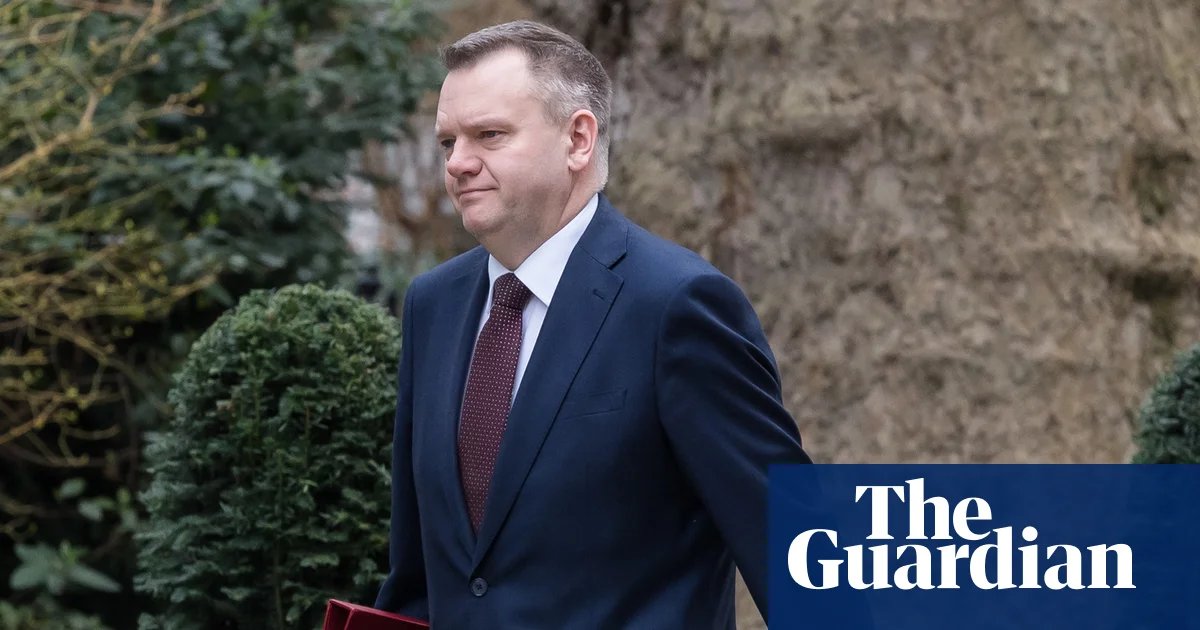
This week is “Brexit reset” week for the British government, as ministers engage in a flurry of activity intended to highlight their determination to forge closer ties with Brussels almost 10 years after the country first voted to leave the EU.
On Monday, Nick Thomas-Symonds, the Cabinet Office minister in charge of negotiating the government’s reset with the EU, will arrive in Brussels for a meeting of the joint EU-UK parliamentary partnership assembly. He travels mob-handed, to be joined by the Europe minister, Stephen Doughty, and the trade minister, Chris Bryant.
A day later, the chancellor, Rachel Reeves, will give her second Mais lecture to the finance industry, during which she will argue that closer alignment with the EU forms a central part of the government’s growth agenda.
But even as ministers put the finishing touches to their pro-European messages, a fresh row is breaking out over Brussels’s demand for lower university tuition fees for European students.
“We are still engaging in very regular talks, but there is a lack of progress on this one issue,” said one source involved in the talks.
Anand Menon, the director of the thinktank UK in a Changing Europe, said: “The standoff over [university] fees reveals not only that the EU will play hardball in these negotiations and insist on getting what it wants, but that the whole reset is perhaps more fragile than the government seems to think.”
The disagreement centres on whether European university students should be charged domestic fees of about £9,500 a year or international fees, which can reach more than £60,000.
Brussels believes it is not enough to reduce fees only for those coming in on the proposed youth mobility scheme. The European Commission wants lower fees for all EU students – which would cost British universities an estimated £140m a year.
Some in the sector welcome the proposal.
Mark Corver, an analyst and director of Campus Numerics, said: “This would enable universities to be able to base their admissions solely on merit, rather than financial contribution, and probably allow them to spend more time serving regional and national demand.”
The universities sector and the British government, however, are adamant the plan should not go ahead. UK officials describe it as a “non-starter”.
It is not just the youth mobility scheme that is at risk: the entire reset, three main planks of which are due to be finalised by this summer, hangs on the outcome of the dispute.
While London is keen to sign agreements on both food and agriculture and emissions trading, Brussels is more focused on youth mobility, and is capable of holding out on the other two agreements if no deal can be reached on this point.
Those close to the talks – some of whom bear the scars of the almost 10 years’ worth of post-Brexit negotiations – insist a deal can still be done.
They say the relationships between Thomas-Symonds and his counterpart, Maroš Šefčovič, and between Starmer and the European Commission president, Ursula von der Leyen, are closer and more trusting than many of their predecessors.
Thomas-Symonds will hold talks this week with Šefčovič and the president of the European parliament, Roberta Metsola, as both sides seek to clear the blockage.
But even before those talks take place, there are signs that both sides are willing to compromise.
The Treasury and the Department for Education are working on financial analyses of how much it might cost if they were to accept such a proposal. Government sources say they would want something “really big” in return.
Meanwhile, Brussels is understood not to see this as a “binary” issue, and to be willing to agree to a reduction in fees if it does not obtain full equalisation with domestic ones.
“This is part of the normal way business is done – a lot of these thorny issues get held back until the final stages of talks,” said one person involved in them. “Inevitably, then there will be an act of God and it will get sorted.”