dailynewsnblog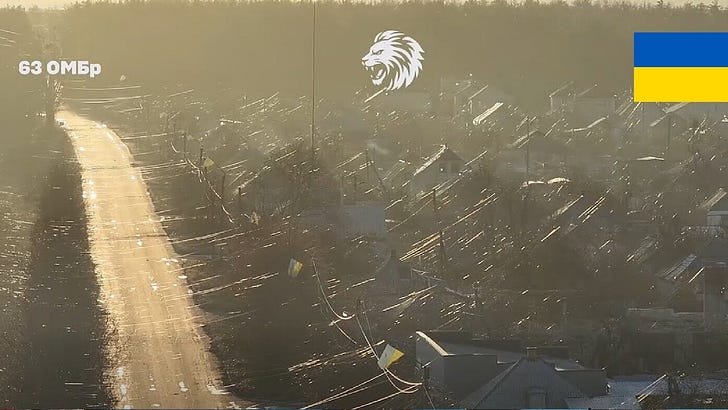
There are a lot of lessons for Canada coming out of this absurd and destructive war the United States is waging against Iran, many of which we should already have picked up from the remarkably similar war being waged by Russia in Ukraine.
There are the obvious lessons, such as that the word of the United States no longer holds any weight whatsoever. Twice in a year, the US has attacked Iran during negotiations, now killing the leader of the country while saying progress was being made. Canada should take note. As the Americans like to say: we do not negotiate with terrorists.
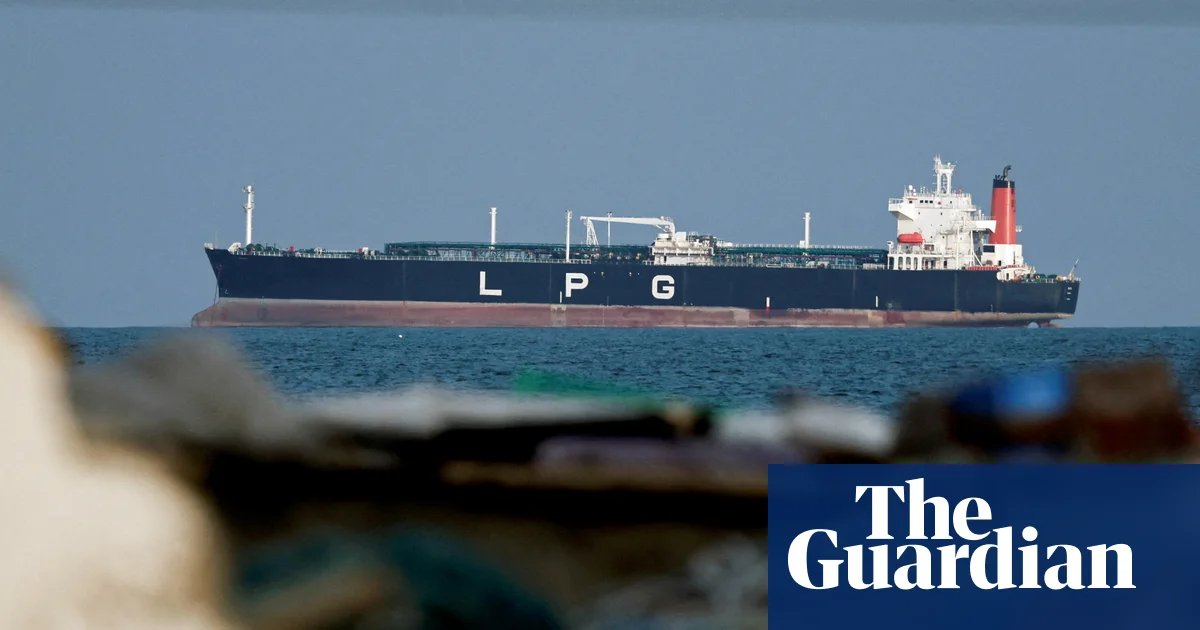
The key lesson for us to learn though is on the asymmetry of modern warfare. Iran has successfully shut down a narrow sea passage known as the Strait of Hormuz in a way that the United States’ vast military might cannot prevent.
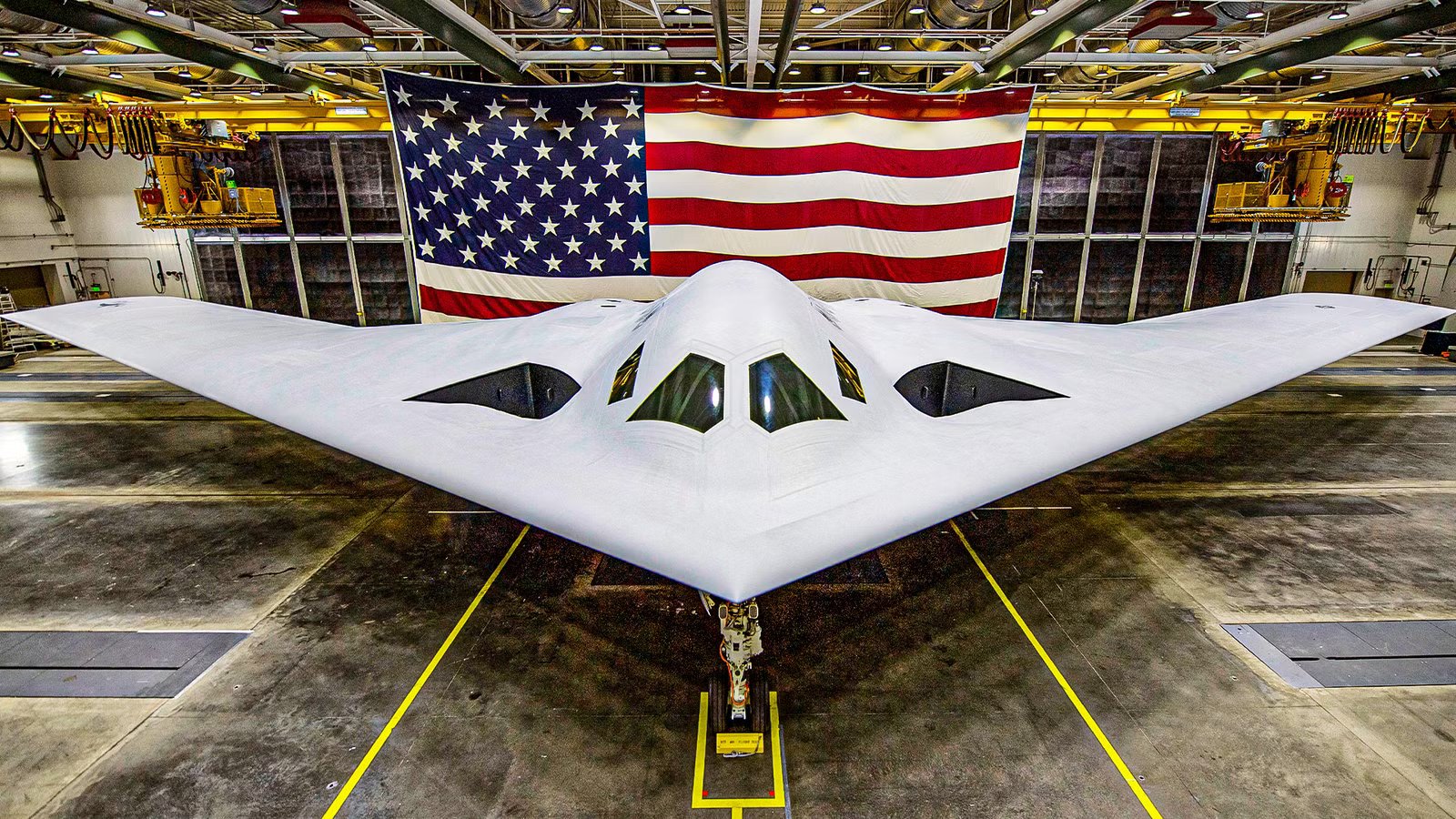
Two American and a British aircraft carrier battle group are in the area, as are numerous other navies. Between them, they can’t protect a single oil tanker. At least six commercial ships have so far been bombed in the strait. All the warships, B-2 stealth bombers, and F-35 fighters in the world aren’t enough to protect them, even though the Iranian air force and navy have likely been all but wiped out. Meanwhile, the price of oil is skyrocketing faster than the number of countries getting dragged into this war.
These related points are the two most important lessons.
The first is that Canada needs to ensure that we are in a position to be detached from the rest of the world on our energy dependence. We are one of the world’s largest producers of oil and natural gas, a net exporter of both, yet our own energy costs are going through the roof due to a war that neither involves us militarily nor impacts our own energy supply.
The second is that were Canada to be attacked by the United States, currently the only country actively threatening us, or any of the other major imperial powers, the first thing that would be targeted is our big and obvious military assets such as our small air force and smaller navy.
It is said that naval strategy is built strategy. The same applies to aerial strategy. In the Second World War, the United States alone built over 300,000 aircraft, and they were only one of several air powers at war. They also built over 2,700 Liberty cargo ships, the standardised convoy vessels to supply Europe, along with around 150 aircraft carriers, and approximately 50,000 Sherman tanks. In a war of attrition, simple, rapid to build designs are essential. None of that could be done with modern western weapons or technology.
The Russian attack on Ukraine and the American attack on Iran are exposing this math with brutal clarity. Having small amounts of complex, high-end military hardware is not worth anything against inexpensive mass-produced weapons, particularly air and sea drones, even if in one-on-one encounters the cheap stuff stands no chance. A war of attrition is a numbers game.
The Ukrainians and the Iranians, while enemies of each other, have fed a drone arms race for the ages. Both are leaders in the field to the point that after ignoring and deriding the Ukrainians since coming to power, the Trump administration is now asking them for help with drone and anti-drone technology in dealing with Iran’s drone swarms, which have been devastating American fixed assets across the Middle East. How the tables have turned.
For Canada again here, there are important lessons to be had. If it takes us 10 years to take delivery of 88 F-35s and only 10 minutes for an adversary to wipe them out in their hangars in a surprise attack, they’re not going to be very useful to us as a defensive weapon. After years of neighbouring countries giving their left-over planes to Ukraine, there would not be much left for our allies to loan us to keep up the fight, nor would we have enough trained combat pilots to fly complex aircraft in an environment of sustained losses.
We need domestic combat air and naval capabilities that will survive as the smaller team in a modern asymmetric warfare environment. That means we need domestic distributed manufacturing capability and technology that can be built in converted warehouses and launched from public roads and innocent-looking marinas and boat ramps with minimal indication of their existence.
Saab’s Gripen, designed to be launched from small rough airfields and with a technology transfer to Canada, is far more likely than the American F-35 to meet that objective, but the real focus has to be on drones and cheaper, simpler weapons. In a modern hot war, a plane that takes a year to build in a known location has little chance of making it from the factory floor all the way to combat, regardless of complexity or cost.
Ukraine is showing that combat aircraft are an important component of the asymmetric war they are waging to defend their country, but both air and sea drones are the bread and butter of their overall military strategy.
For Canada, with an existential and rising military threat from the United States, we need to be ready. Small, inexpensive fighter planes like the Gripen with the speed and range to do basic domestic patrol and defence are appropriate for our current needs, while expensive American jets like the F-35 designed for first-strike attacks against sophisticated adversaries are inappropriate for our broader needs and would be sitting ducks should we be attacked by the aircraft’s own builder. The possibility of our country facing attack or invasion under the unrestrained Donroe doctrine we are already seeing in action cannot be discounted, and we need to be preparing for it.
For generations, the American movie industry has taught us that, in the end, no matter what, the good guy always wins. It is so ingrained in the culture that few can even conceive of an alternate reality where the villains dominate and there’s no superhero taking them down in some epic climax.
It’s false, of course. Those without moral compunction have a distinct advantage and as Canada prepares for a world in which the big powers are returning to medieval might-makes-right conquest-based diplomacy, the only superhero we will have is our own planning and independence, and our capacity to rapidly build and deploy domestic weapons systems and wage asymmetric warfare of our own while our allies face similar challenges.
The war in Iran and the war in Ukraine, which are mirror images of each other and are arguably merging into a common war, are proving beyond any reasonable doubt that the relatively peaceful era that we have enjoyed in the West is coming to a violent end, for which Canada is woefully unprepared.