dailynewsnblog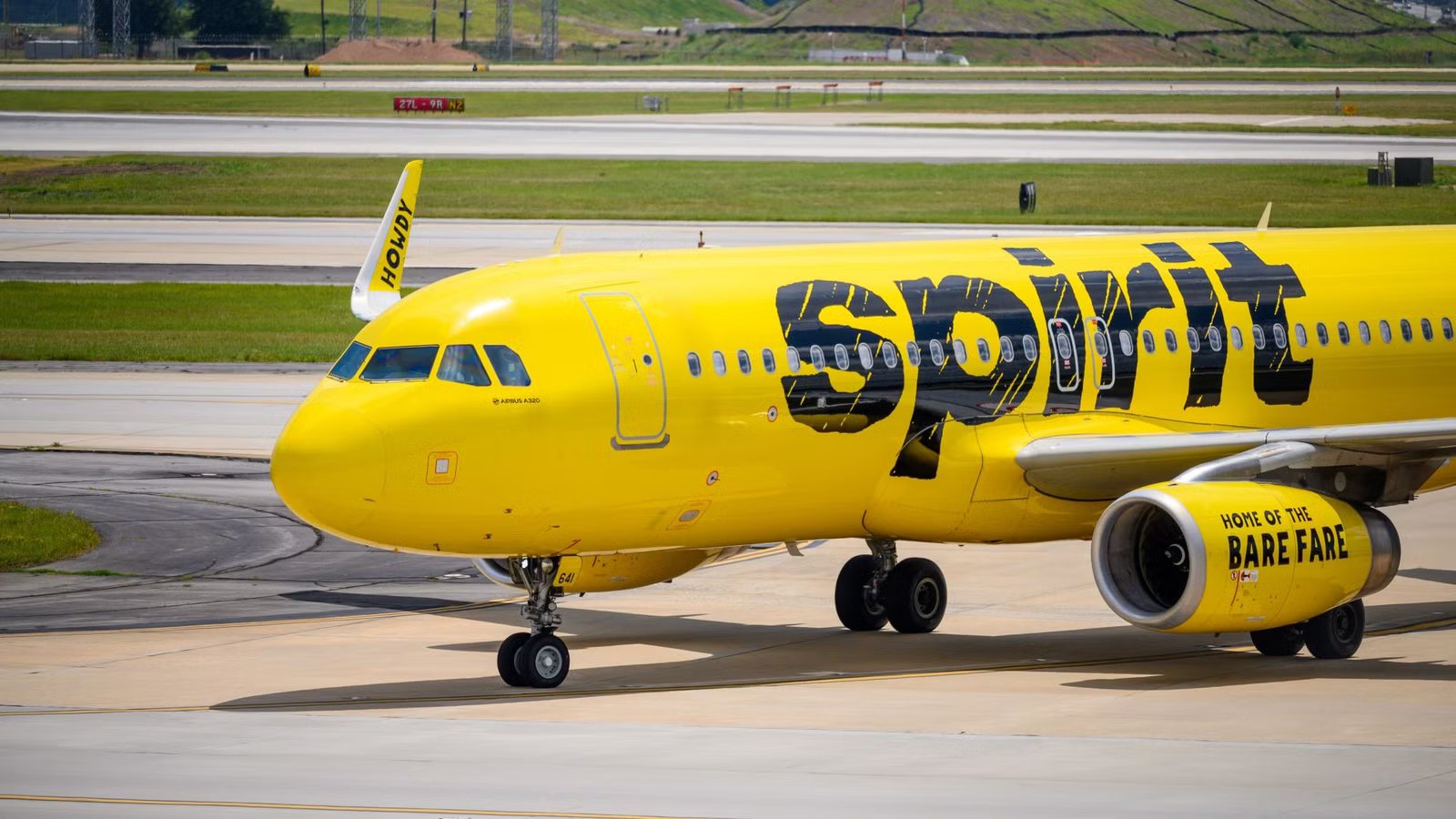
The latest restructuring plan solidified by US-based ultra-low-cost carrier Spirit Airlines is a survival blueprint, not a growth story. On March 13, 2026, the airline said it expects to shrink to just 76 to 80 aircraft by the third quarter, down from 214 when it entered its latest Chapter 11 bankruptcy case, all while cutting debt and lease obligations from around $7.4 billion all the way down to just $2 billion.
The immediate and very visible problem here is the overall timing. Just as the carrier attempts to win court approval and reassure creditors, fuel-price volatility tied to the war involving Iran has made its forecasts harder to trust. Spirit is capable of surviving, but it is pretty clear that oil prices (and thus jet fuel prices) need to stabilize long before the restructuring timetable actually slips even further.
A Major Development For A Carrier On The Brink

The key development here is that Spirit has moved from broad turnaround language to a concrete post-bankruptcy setup. The airline has filed a restructuring support agreement and plan of overall reorganization, saying that it expects to emerge by early summer as a much smaller carrier, mostly focused on a few core markets like Fort Lauderdale (FLL), Orlando (MCO), Detroit (DTW), and the New York City area.
At the same time, the airline will also lean harder into a higher-yield product lineup, including things like Spirit First and Premium Economy, despite not letting go of its identity as a low-cost carrier. A judge has also approved bidding procedures for roughly 20 more aircraft, with a stalking-horse bid setting a floor of around $530 million. That gives Spirit a path forward, but it also underlines how much of the airline is being sold, shed, or reworked in order to make the math remotely viable.
Spirit Has Been In Hot Water For A While Now

The broader global context here is that Spirit is negotiating from a position of consistent failure. The airline filed for bankruptcy again in August 2025 after emerging from an earlier restructuring setup only months before, with losses continuing to mount and operating expenses running significantly above any revenue forecasts.
Recent analysis from Reuters has indicated that Spirit Airlines lost around $246 million in the three months that ended in June 2025, all while management and outside analysts concluded that the first restructuring had not fixed the company’s bloated overall cost base. Since then, Spirit has cut routes, exited airports, rejected aircraft leases, raised emergency bankruptcy financing, and sought creditor backing.
All of this comes as the airline charts a leaner pathway forward. It certainly wants to keep the possibility of a future industry transaction (or sale) on the table to a larger carrier once finances have stabilized. What makes these current talks increasingly challenging is the fact that fuel costs continue to rise beyond even the most bullish analyst expectations. This leaves quite a few challenges for the airline’s management team to work through.

Spirit To Shrink Fleet By Nearly 100 Planes In Effort To Become Smaller, Stronger Airline
More trouble at Spirit Airlines as the airline will now cut its fleet size by almost half.
What Does All Of This Mean For Spirit Airlines Passengers?

When it comes to passengers, this means that there will likely emerge a smaller and more selective Spirit. Travelers in the airline’s strongest markets may still see plenty of yellow jets, but weaker routes and off-peak frequencies are more vulnerable to elimination as the airline looks to concentrate on flying where demand is at its strongest.
Ultimately, this would mean fewer choices, less overall schedule flexibility, and a network that feels more seasonal in nature. At the same time, Spirit is clearly trying to improve the onboard product by expanding Spirit First and continuing its Premium Economy rollout, so that the passenger proposition is shifting away from pure bare-bones ultra-low-cost flying.
The main risk on the table is fuel prices. If fuel stays elevated, Spirit will have less room to undercut its rivals aggressively in terms of price, especially because airlines around the world are already raising fares to defend margins. Thus, passengers may get a more stable and slightly more reliable Spirit Airlines, but certainly not a cheaper one.