dailynewsnblog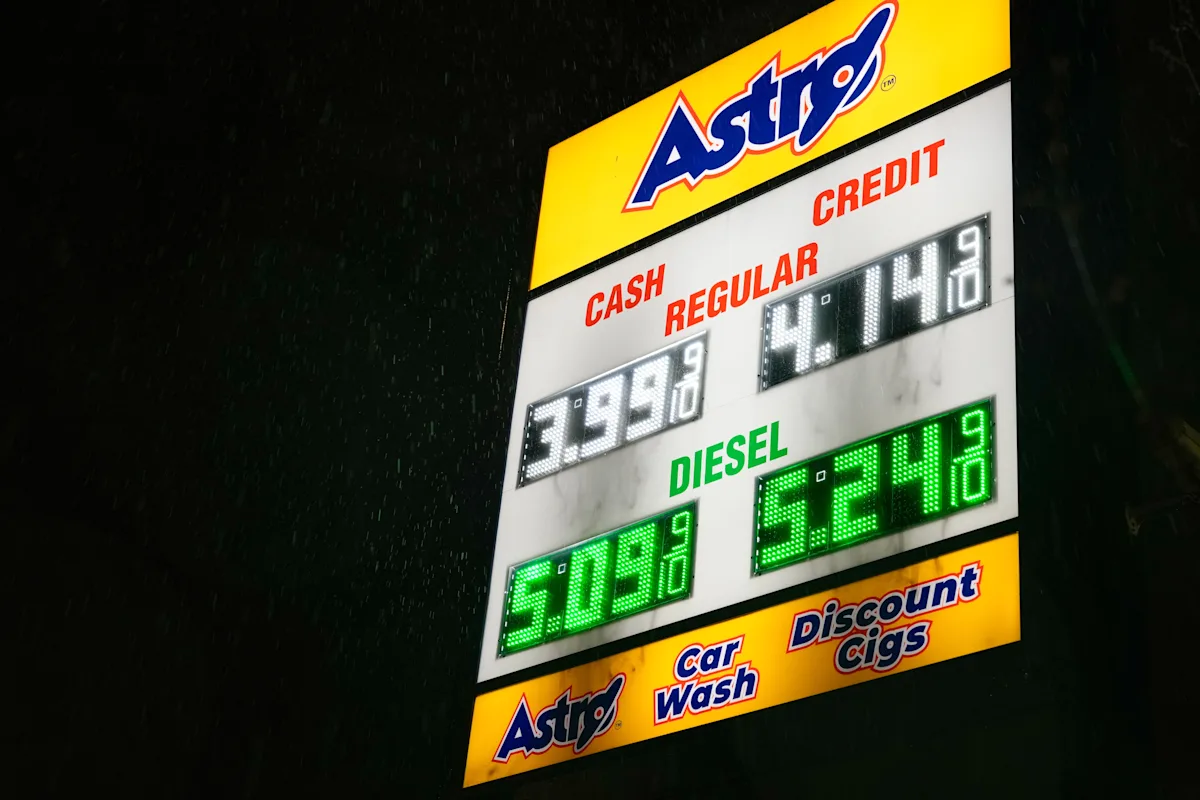
A fresh round of economic data this week landed with a thud.
Not because it was especially bad, although some of it was. The uncomfortable reception had more to do with the context in which it was received: amid a more chaotic phase of the war in Iran, and an early recognition that things might get a lot worse.
Government data released Friday of the Fed’s preferred inflation gauge registered a 0.3% monthly increase in January 2026, or a 2.8% increase from last year. “Core” inflation was even worse, rising 0.4% for the month and 3.1% on the year.
These would be concerning figures amid an inflation struggle at any time, as any investor — or buyer of things — knows. Sticky and elevated inflation has been a problem for some time.
But these are pre-Iran numbers. And the prospects of pricing pressures worsening because of a global disruption of energy flows means firming inflation could soon become a bigger problem.
Read more: How oil price shocks ripple through your wallet, from gas to groceries
As many strategists have noted, economic growth is another big risk of a supply shock. Inflation is bad for consumers, but it hits different when it comes from supply and demand (post-COVID) than when it comes from supply problems (now).
“This conflict represents a supply shock, not demand -driven inflation, which from a monetary policy perspective makes a very significant difference, as a supply shock will reduce demand, consumption, and consequently growth,” BlackRock’s (and Fed shortlist candidate) Rick Rieder wrote this week.
The data showed the US economy barely grew at the end of last year. Gross Domestic Product expanded by just 0.7% at an annual pace in the fourth quarter, according to the Commerce Department, which revised down an earlier growth rate of 1.4%.
Where economists once touted American resilience, the stagflationary combination of an unpleasant inflation report and a dicey GDP reading has raised the potential of fragility.
In isolation, the backward-looking data might have been perceived as more benign. But the context of rising energy prices and hampered growth means that the economy was already on weaker footing before heading into a war with potentially costly and uncertain outcomes.
Hamza Shaban is a reporter for Yahoo Finance covering markets and the economy. Follow Hamza on X @hshaban.
Click here for the latest economic news and indicators to help inform your investing decisions
Read the latest financial and business news from Yahoo Finance