dailynewsnblog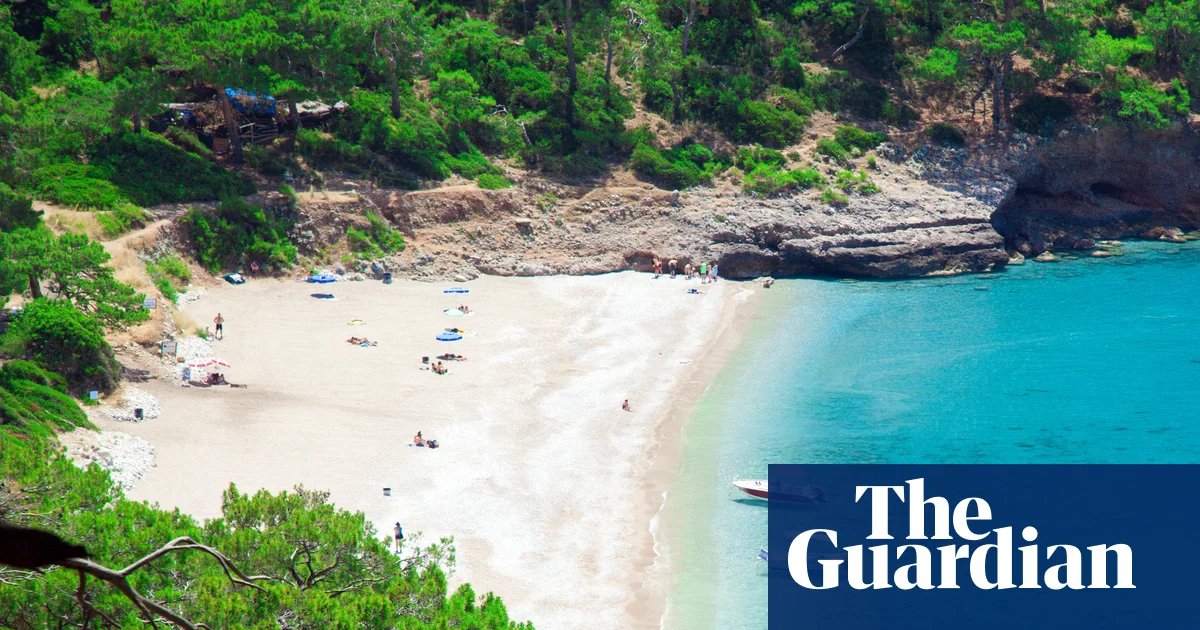
Holidaymakers who had planned to visit the eastern Mediterranean this summer are moving their trips to the west and the Caribbean because of the US-Israel war on Iran, travel companies have said.
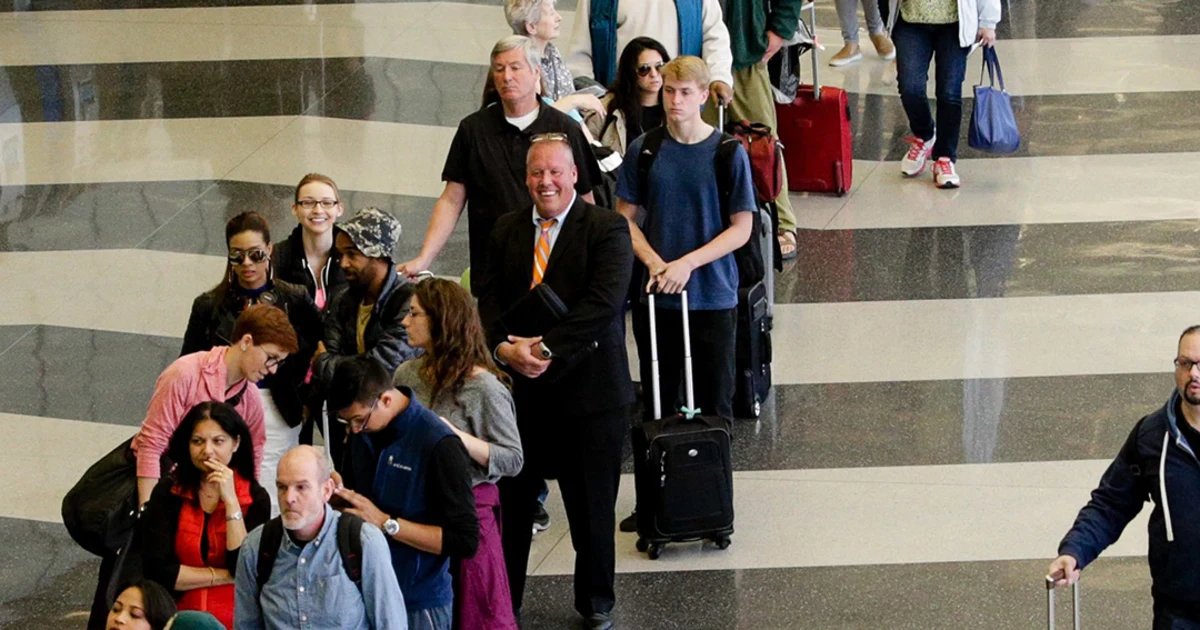
Travellers from the UK and mainland Europe are increasingly swapping their holiday destinations away from Cyprus, Turkey and Greece towards Italy, Spain, Malta and Croatia, as the region around the Middle East grapples with flight cancellations and airspace closures.
Tui, Europe’s biggest holiday operator, said demand had risen sharply in recent days for holidays in Spain, Portugal, Greece and Cape Verde this summer as customers opted for “familiar, easy‑to‑reach locations”.
“While we are seeing some cancellations in the affected areas, these are currently outweighed by customers choosing to amend their plans instead,” Neil Swanson, a director at Tui, said.
Jonathon Woodall-Johnston, of Hays Travel, the holiday agency that took on some of the collapsed Thomas Cook high street stores, added that demand was growing particularly strongly for trips to Italy, Malta and Croatia.
More people were also looking across the Atlantic for their summer holiday, they said, in an attempt to avoid travel disruption.
Swanson said: “We’re seeing particularly strong demand for our direct long‑haul flying to the Caribbean, especially the Dominican Republic and Jamaica.”
Mark Duguid, of the Surrey-based holiday operator Kuoni, said interest in the Caribbean was “off the charts” for trips in the coming weeks.
“Everything has just been squeezed,” he said. “What we’ve seen is huge increases in flight prices, because the seats remaining are limited – we are talking about seats going up by £1,000 a person for an economy seat, which then prices the holiday out of the market for many customers.”
A week ago, the least expensive round-trip flights from London to Antigua and Barbuda for the last week in March cost £720, according to price tracking data from Google. This has since risen by 27% to £917.
It comes as the tourism industry begins to count the cost of conflict in the Middle East.
Shares in On the Beach, the online holiday agent, fell by as much as 13% on Thursday after it suspended its annual profit guidance because of the “unknown” duration and outcome of the war and its long-term impact on travel. It told investors it had already experienced a “significant slowdown” for bookings to destinations such as Turkey, Cyprus and Egypt.
On the Beach said there had also been a slowdown in bookings for Greece, where tourism is the cornerstone of the country’s economy. However, Tui said it had seen strong demand for Greek holidays in recent days.
Other travel operator shares have fallen since the US-Israel attack on Iran, with shares in easyJet and Jet2 down by 16% and 10%, respectively.
The rival online agent Loveholidays, which had been tipped to be the London Stock Exchange’s first big listing of 2026, is now reportedly preparing to delay its flotation, according to the Financial Times.
Meanwhile, the Middle East’s tourism industry has been wiped out by the conflict, with the Foreign Office advising against travel to the United Arab Emirates, Jordan, Qatar, Bahrain and Oman.
British Airways has cancelled its seasonal Abu Dhabi route from Heathrow until “later this year”, and the low-cost airline Wizz Air told Bloomberg it was reallocating about half of its Middle East capacity, about 25 to 30 daily flights, to European leisure and city destinations such as Croatia, Spain, Portugal and Italy until September.
The disruption means the Middle East’s tourism sector is losing $600m (£448m) a day in visitor spending, according to estimates from the World Travel & Tourism Council, the global trade body.
Before the conflict, the body estimated that international visitors would spend about $207bn in the Middle East this year.
The region’s tourism industry has grown rapidly in recent years and some of its most famous sites and hotels have been affected by the war. Iran struck the world-famous Fairmont hotel in Dubai, and debris from an intercepted drone caused a fire at the city’s famous luxury hotel, the Burj Al Arab, and Dubai’s international airport.