dailynewsnblog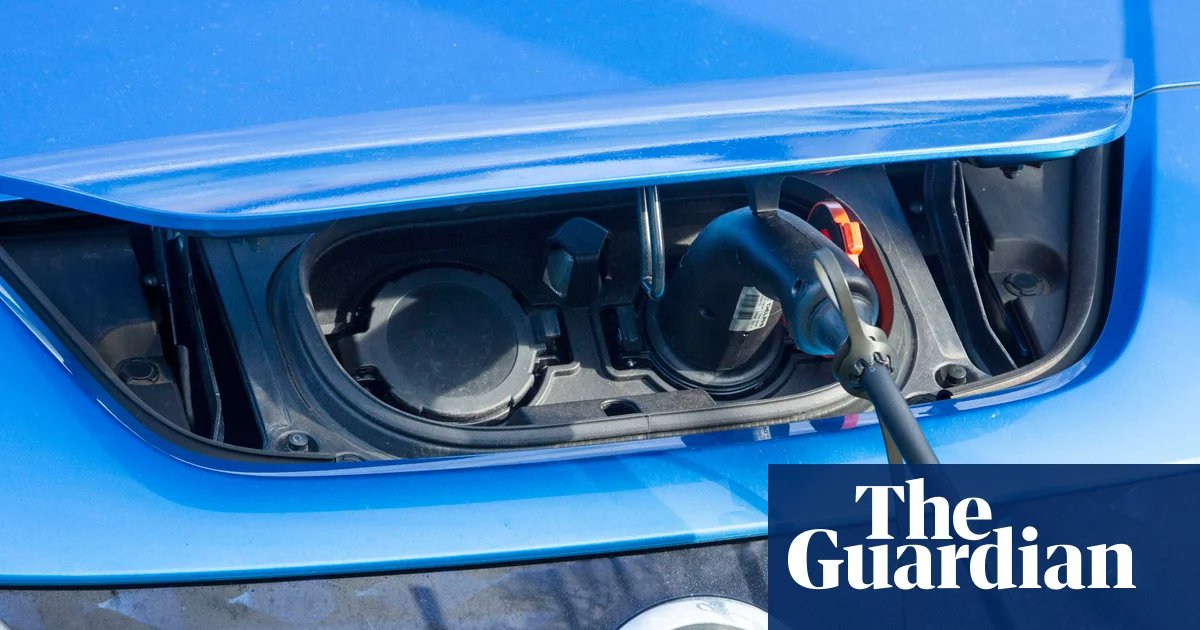
Owners of some Nissan Leaf electric vehicles are angry after the carmaker announced it would shut down an app that lets them remotely control battery charging and other functions.
Drivers of Leaf cars made before May 2019 and the e-NV200 van (produced until 2022) have been told that the NissanConnect EV app linked to their vehicles will “cease operation” from 30 March. This means they will lose remote services, including turning on the heating, and some map features.
Experts said they expected other drivers to experience similar problems in future as “connected cars” – vehicles that can connect to the internet – get older.
One driver and Guardian Money reader, Alan Clucas, said he was upset by the switch-off, adding that some of the affected vehicles were less than four years old. “I think Nissan should do better,” he said.
Talking about his seven-year-old Leaf, Clucas said the “most annoying thing will be not being able to smart-charge the car or remotely warm it up on frosty mornings”. He added: “We could previously check the charge levels from a mobile phone.”
Other affected motorists have been discussing the matter online. “Looks like going forward, only paid-for remote connectivity will be supported,” said one, adding that it was “amazing” that Nissan “only supported a core EV feature for seven years. Considering [an] average car can last for 12-plus years, that is shockingly bad.”
Another driver added: “My car is almost 10 years old now, but those with an early 2020 model won’t be too happy that their not-even seven-year-old car is having remote access removed with a month’s notice.”
Nissan faced criticism in 2024 when it dropped the first generation of Leaf cars after the switch-off of the UK’s 2G network. The carmaker said the latest move was because the app could not be “upgraded to support future enhancements”.
In-car services such as climate control and charging timers would still be available through the infotainment system, Nissan said, but remote services and some map-related features would not.
Steve Walker from the motoring magazine Auto Express said the situation was a preview of what would happen when “today’s cars” get old.
“As modern cars that are even more reliant on connected services and updates than the Leaf age, it is likely that manufacturer support for their systems will drop away, too,” he said.
This could mean other features including navigation systems, touchscreen controls and even subscriptions for features such as heated seats, autonomous driving aids or extra engine power could stop working or be turned off further down the line, he said.
“Nobody wants to see cars rendered obsolete before their time,” Walker said. “The best way to minimise the environmental impact of cars is to build them to last. Software and digital systems need to be as durable and reliable as mechanical components.”
Benjamin Gorman, a senior lecturer at Bournemouth University, said the tech world was shifting towards software-as-a service (Saas) models.
“A good example is software like Adobe Photoshop – historically, you could buy it once and use it for as long as you liked, whereas now it typically requires an ongoing subscription,” said Gorman.
This worked well for things such as games and entertainment platforms, where people are used to subscriptions and shorter upgrade cycles, he said. However, it is more problematic when applied to expensive physical products such as cars, which people expect to keep working for a decade or more.
“I suspect we will see this issue more often in the coming years as vehicles become increasingly software-driven,” said Gorman. “We are seeing more manufacturers experiment with subscription fees for connected features … but it raises important questions about what consumers feel they should permanently own versus what they are effectively renting through software services.”