dailynewsnblog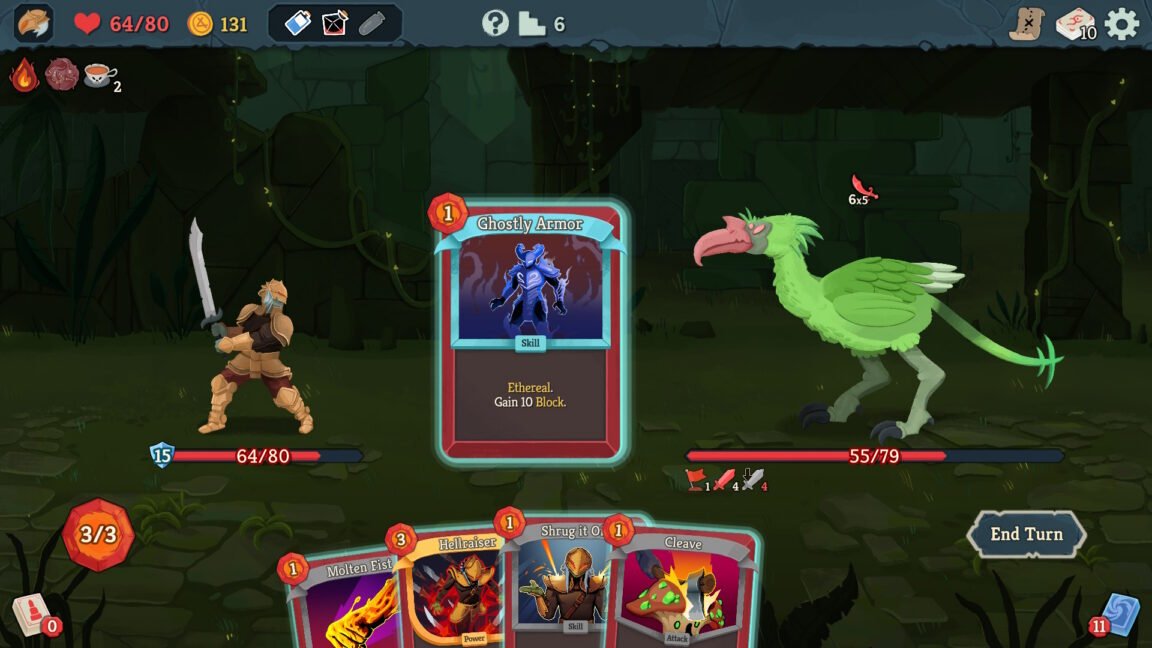
Do you remember the joyful satisfaction you felt when you really started to understand Slay the Spire?
This isn’t a totally rhetorical question. If you’re reading this piece about Slay the Spire 2—published roughly a week into what promises to be a lengthy Early Access period—I have to assume you’ve put in dozens, if not hundreds (or thousands?) of hours with the original Slay the Spire. At this point, the game probably feels less like a game and more like a comfortable old pair of sneakers. You probably have a favorite character, a preferred set of card synergies to focus on building for that character, and a set of alternative strategies to aim for when the vagaries of chance make that preferred strategy impossible. The game’s plentiful randomization makes each run feel a bit different, but the contours of those runs start to feel a little common to anyone who has tinkered with the game for years.
But think back, if you can, to when Slay the Spire was an exciting new challenge. Remember those first few runs, when you were still deep in the trial-and-error phase of your Slay the Spire journey. You still had to read each new card carefully as it appeared, developing potential strategies on the fly and weighing key deckbuilding and power-building decisions for minutes at a time to maximize your chance of survival. Sure, you failed a lot. But you got a little more confident each time, and a little farther every few sessions, and just a little more knowledgeable about and immersed in the game’s intricate, well-balanced systems.
After years of waiting, I was hoping Slay the Spire 2 could bring back some of that sense of discovery, helping me look at a thoroughly saturated game genre from a new angle. After a week kicking the Early Access tires, though, it’s hard to shake the feeling that, despite all the changes and additions, Slay the Spire 2 is just a little too similar to the well-worn original. If the first Slay the Spire is a comfortable old pair of shoes, Slay the Spire 2 is a fresh new pair that is, ironically, a little too easy to break in.