dailynewsnblog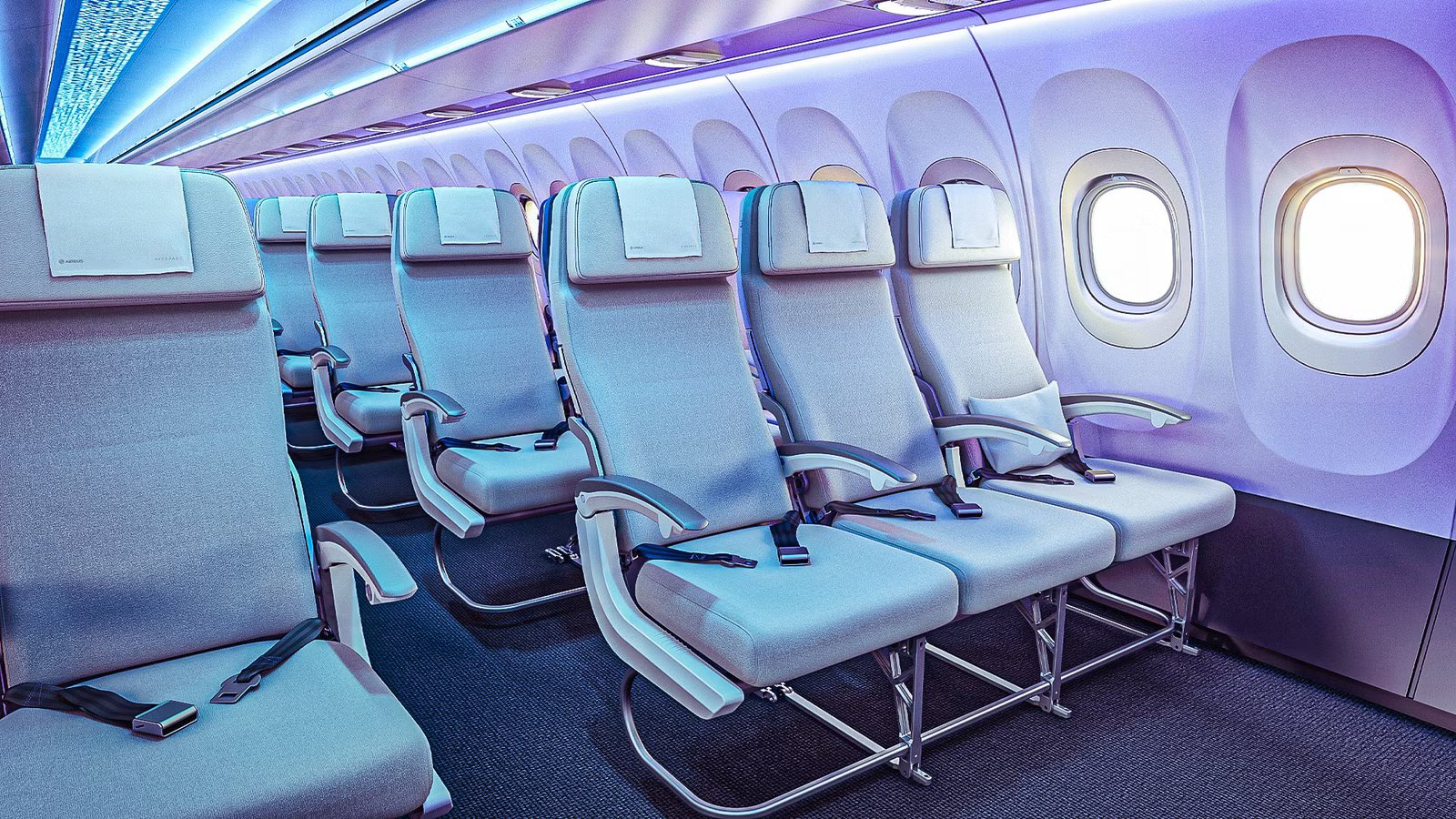
What comes to your mind when you think about passenger experience on commercial flights? We often think about how modern the inflight entertainment screen is, its size, the quality of the meal/dinner you’re given after takeoff, the number of gadgets and amenities your seat comes with, or even the amount of legroom you get. However, whilst working in the industry, I have learned that there is a silent hero that every single passenger is in contact with for the duration of their flight, and that most passengers seem to neglect or ignore: the seat fabrics.
Right from the moment you sit down for the first time to when you deplane, the fabrics and textiles beneath you are working to regulate your temperature, keep you in place during turbulence, and provide a tactile sense of luxury or cleanliness, just in some cases. In this article, I will explore the complex and fascinating world of aircraft textiles and fabrics, studying how materials science and design can be combined to define comfort in modern air travel.
The Science Behind Seat Fabrics: Tactile Comfort And Breathability

Seat fabrics have experienced a massive evolution through aviation history, with their intricate journey shifting from the heavy, itchy wools of the mid-20th century, all the way to the high-tech, sustainable, antimicrobial synthetics we fly on today. In the early days of commercial flight, the main goals were durability and fire resistance, almost without considering other factors. At present and looking towards the future, the stakes are much higher, and there are many more factors involved; carriers must find a balance between the weight of the fabric (impacting fuel consumption and burn) and the design and aesthetic demands of their brand, which end up affecting the sensory expectations and satisfaction of a global traveler. As aircraft cabins become increasingly crowded and flights longer, the importance of textiles in preventing “seat fatigue” has never been more influential and critical.
The primary and main objective of any seat fabric is to act as a thermal-regulating barrier between the human body and the seat cushion and backrest. When a passenger is in their seat for eight to 12 hours during a flight, the body produces a considerable amount of heat and moisture — much more than you may believe. When a fabric is poorly designed, the passenger may feel “sticky” due to the low-quality vinyl or dense synthetics. The generated moisture, having nowhere to go, leads to sweating, discomfort, and physical restlessness, which directly affect the passenger’s experience. On the other hand, high-quality seat fabrics are intensely over-engineered for high breathability, more often than not using wool-rich blends that naturally remove moisture from the skin, helping passengers remain cooler when it is hot or warmer when it is cold in the cabin.

Inside RECARO: The Aircraft Seating Giant Building Southwest Airline’s New Seat
Based in Germany, the company is one of the major seat manufacturers in the aviation industry.
Beyond thermal regulation, the texture of the fabrics plays a huge psychological role in comfort and in the passenger’s perception. A fabric that, to the touch, feels soft and premium can do wonders at tricking the passenger into perceiving the entire seat or cabin as more comfortable or luxurious than it might actually be. Textile manufacturers have spent years perfecting, improving, and testing different weave patterns to ensure they are smooth and soft enough to be pleasant against the skin but maintain enough friction to prevent movement during takeoff and landing. This equilibrium is achieved thanks to complex textile engineering, which often involves an intricate mix of natural fibers for comfort and synthetic fibers for durability and structural integrity.
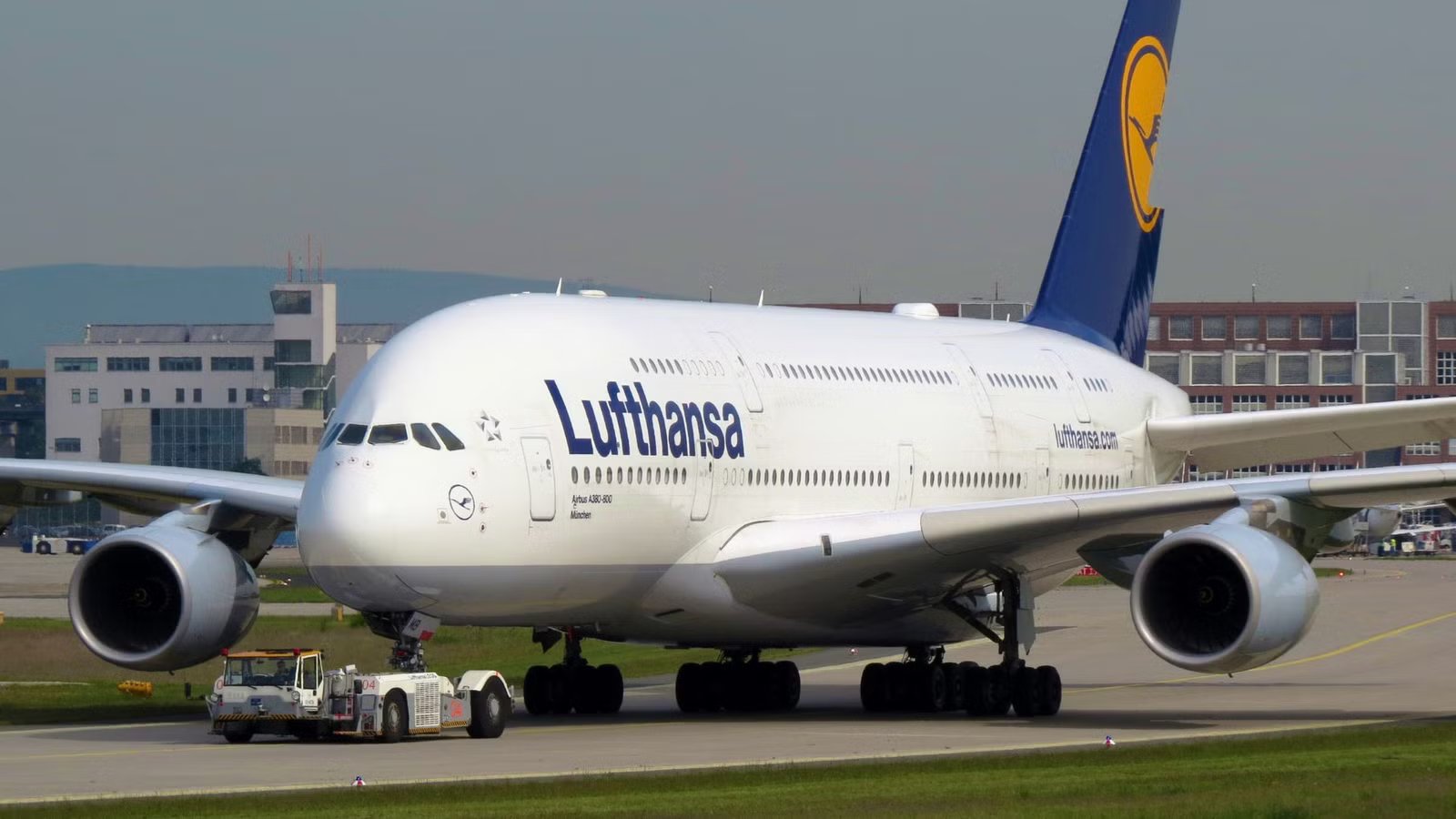
Going into a more luxurious cabin, such as first or business class, the shift toward “soft-touch” fabrics has completely revolutionized the cabin. In these seats — or in some cases, suites — we see the integration of faux leathers that imitate the suppleness of calfskin while consistently offering the durability required for commercial use. These materials often have unique features, such as, for example, being perforated to allow for airflow and natural thermal regulation, or being heated and cooled down, such as  Lufthansa‘s Allegris Class — which uses the latest thermoregulating technology designed and developed by Caynova, that provides the seat heating and cooling technology that lets each passenger control the temperature of their own seat. These features help solve the historic problem of leather seats becoming uncomfortably hot. By manipulating the microscopic structure of the fibers, engineers are now able to manufacture fabrics that feel soft like home furniture but meet the rigorous fire, smoke, and toxicity safety standards of the FAA and EASA.
Durability Meets Safety: The Hidden Engineering

For passengers, the selection of seat fabric may boil down to how a seat feels; airline interiors and procurement teams prioritize how it lasts. An aircraft seat fabric will have to endure thousands of “sit-cycles,” in which it must resist abrasion from multiple items such as zippers, carry-on bags, hair dyes, and the unforgivable “denim transfer”. When a fabric pills or tears easily, it not only looks unprofessional and cheap, but can also retain bacteria and dirt in the torn fibers. To reduce this risk, modern textiles are treated after manufacturing with advanced chemical finishes that make them resistant to liquids and stains, which tremendously helps cabin crews by allowing them to quickly and easily wipe down a seat between flights or when something like a sauce or a drink is spilled during the flight.
The most critical aspect of any aircraft fabric or textile, however, is not comfort, durability, or its touch and feel, but its flame retardancy, smoke release, and toxicity. Every single material in a cabin must pass strict burn tests. In the past, this was done by soaking fabrics in heavy chemicals that could be abrasive to the touch. Today, the industry has developed and created “inherently flame-retardant” (IFR) fibers. These materials have fire-resistant properties built directly into the molecular structure of the yarn. This way, it’s ensured that the protection will never wash or wear off — no matter how many cleaning cycles the fabric undergoes — creating a permanent safety barrier that doesn’t affect the softness or touch of the material.
Finally, the weight of the fabric is the last piece of this complex engineering puzzle. In an industry where each gram affects fuel efficiency, moving from the heavy genuine leathers historically used to the new “engineered leathers” and lightweight fabrics has helped airlines save millions of dollars. An average narrowbody aircraft can reduce its weight by hundreds of pounds just by switching to a lighter upholstery material. This weight reduction allows fuel and aircraft efficiency to skyrocket or, even better, can reduce the carbon footprint of every flight, confirming that comfort and sustainability can be achieved at the same time.
The Psychological Impact Of Color And Pattern

Color theory is key in how passengers perceive comfort and space within the reduced space of an airplane cabin. Airlines often choose deep blues and greens as these colors are psychologically associated with feelings of calm, trust, and reliability. A well-chosen fabric color can take an economy cabin from feeling cramped to being sensed as more “open and serene.” Similarly, busy patterns can often be found in high-traffic areas as they can help hide wear and tear from the continuous impact of carry-on suitcases, meal carts, and shoes that leave stains or scuffs that inevitably happen over a fabric’s three-to-five-year time in service.
Patterns also serve a more functional purpose, as they are used to create “visual texture.” Whilst flat, monochromatic fabric may give a clinical, cold look, subtle “tweed” or geometric weaves can add a sense of depth and warmth — and of course, design and branding. The resulting tactile, textured visual creates a “homey” effect, which is key for passenger relaxation on long-haul flights. When designing a cabin, textile companies tend to work closely with lighting engineers to study if fabrics look consistent under the different types of cabin mood lighting — from the bright “boarding” lights to the soft tones used during meal service and rest cycles.
Color | Psychological Effects Of Cabin Textile Colors | Typical Use In Aircraft Cabins |
Black / Dark tones | Elegance, authority, durability | Seat frames, armrests or design accents |
Grey | Neutral, modern, clean; reduces visual fatigue | Seat fabrics, sidewalls, carpets in premium cabins |
Brown / Tan | Stability, warmth, sophistication | Leather seats in business and first class |
Beige / Cream | Warm, comfortable, spacious feeling | Premium cabins and first class to create a luxury atmosphere |
Blue | Calm, trust, relaxation; reduces stress and anxiety | Very common for seats and branding because it feels safe and professional |
Purple | Luxury, exclusivity, creativity | Mood lighting or premium branding elements |
Green | Balance, relaxation, natural feeling | Sometimes used in carpets or accents to create calm environments |
Red | Energy, stimulation, excitement | Small accents or branding, rarely dominant because it can increase stress |
Considering brand identity when airlines choose fabrics allows them to differentiate themselves in a saturated competitive market. When a passenger sees a subtle logo or a specific national pattern woven into the seat, it reinforces a sense of belonging and premium service. This attention to detail subliminally suggests to passengers that if the airline takes this much care in choosing its fabric, it will most likely also prioritize safety and service quality.
Hygiene And The Post-Pandemic Textile Shift

Covid-19 fundamentally changed the way in which passengers view and interact with airplane surfaces. Before the pandemic, we mostly cared about comfort; but now, we care about hygiene. This has led to an increase in the creation of antimicrobial fabrics and seat surface coatings — such as, for example, on tray tables, which have proven to be the dirtiest surface inside an airplane cabin, according to a 2015 research study carried out by Travelmath. In the case of textiles, they are treated with silver-ion technology or other biocides that actively inhibit the growth of bacteria and viruses on the seat surfaces. For users, these sterile fabrics create a layer of invisible comfort, providing the peace of mind that their surrounding environment is sanitary.
We are also experiencing a noticeable shift away from traditional fabrics in economy class, with trends pointing more towards “vegan leathers” and synthetic polymers. These materials are incredibly non-porous, so that they won’t absorb any spills or smells. Previously, spilled coffee would ruin a seat’s comfort for the next several flights as it would permeate the foam and produce a sharp smell. Now, modern synthetic fabrics can act as a barrier, making sure that the cushion and foam inside remain dry and hygienic. In turn, it also translates into ease of maintenance, which is very positive for both airline operational efficiency and the passenger’s sensory experience.
The shift towards sustainability is also affecting hygiene. Passengers are now more aware than ever of the environmental impact of their travel. Therefore, companies that utilize recycled ocean plastics or sustainable wools and natural fibers find that their customers find comfort and peace of mind in supporting eco-friendly products. This “green comfort” feeling is increasingly becoming a significant and deciding factor in brand loyalty, as travelers have already started to make decisions based on their personal values regarding the environment.
Ergonomics And The Interaction With Seat Foam

The performance of a fabric can only be as good as the foam underneath it. This is simply because the relationship between the upholstery and the underlying cushion determines the “pressure distribution” of the body across the seat’s surfaces. When a fabric is too tight, it creates an effect in which the material is so stretched that it doesn’t allow the passenger to sink into the foam and relax, leading to increased pressure points on the body. The other way around, when the fabric is too loose, it creates uncomfortable ridges. This is why not only fabric technologies are important, but also the tension of the fabric during the seat’s manufacturing process is a precise, studied science.
The most advanced seat designs and concepts now use “multi-density” foams, in which fabrics must be flexible to adapt to these different zones. For example, the sides of the seat cushion might use a firmer fabric to keep the passenger centered, while the middle of the backrest needs a high-stretch material to adapt to the natural curve of the spine. This harmony ensures that the seat provides “active” support during a flight, shifting and adapting as the passenger moves and changes posture, which is vital for preventing pain, deep vein thrombosis (DVT), and general muscle stiffness.
Research and studies are currently underway to develop textiles that can sense pressure and temperature, sharing this data with the aircraft’s computer to continuously and skillfully adjust the seat’s cushions or cooling systems. While we haven’t achieved this yet for standard Economy seats, the standard is being set in First Class suites, in which the fabric has become a functional and key component of the seat’s mechanical system.
The Future Of Aircraft Upholstery

Looking towards the next decade of travel, we can clearly see that the trends are moving towards customization and “haptic” feedback. Soon, we might be able to experience seats that change their texture depending on the phase of flight, potentially becoming firmer during work hours and softer during sleep periods. 3D knitting technology is also revolutionizing production, creating seat covers that are “printed” or manufactured as a single piece with no seams. This could be groundbreaking, as seams can be a major source of discomfort and a common area of low durability, so removing them could result in a win-win situation for all parties, including passengers.
Furthermore, the rise of “well-being” cabins means that fabrics will be infused with more than just antimicrobial agents. There is talk in the industry of micro-encapsulated scents like lavender or eucalyptus, for example, that are released through the friction of a passenger moving in the seat, helping to reduce anxiety and promote sleep. While this sounds futuristic — and sometimes even “too much” of an innovation — the aviation industry has always used the cabin environment to influence passenger mood, and seat fabrics are the most direct way to achieve this.
Ultimately, the importance of seat fabrics for passenger comfort cannot be overstated. It is the intersection of chemistry, physics, psychology, and what I like the most: design & art. The next time you settle into your seat for a long-haul journey, before you sit, take a moment to feel the texture of the fabric, pass your hand and fingers over it, and think about this article. From now on, it will not just be fabric, but the tangible result of thousands of hours of research, studies, innovation, and experiments, all designed to ensure that you arrive at your destination feeling refreshed rather than exhausted. As I always like to say, the seat is the most important touchpoint of the passenger experience, and while that statement is mostly true, the ultimate touchpoint is, in fact, the textiles, fabrics, leather, and suede that cover those seats.