dailynewsnblog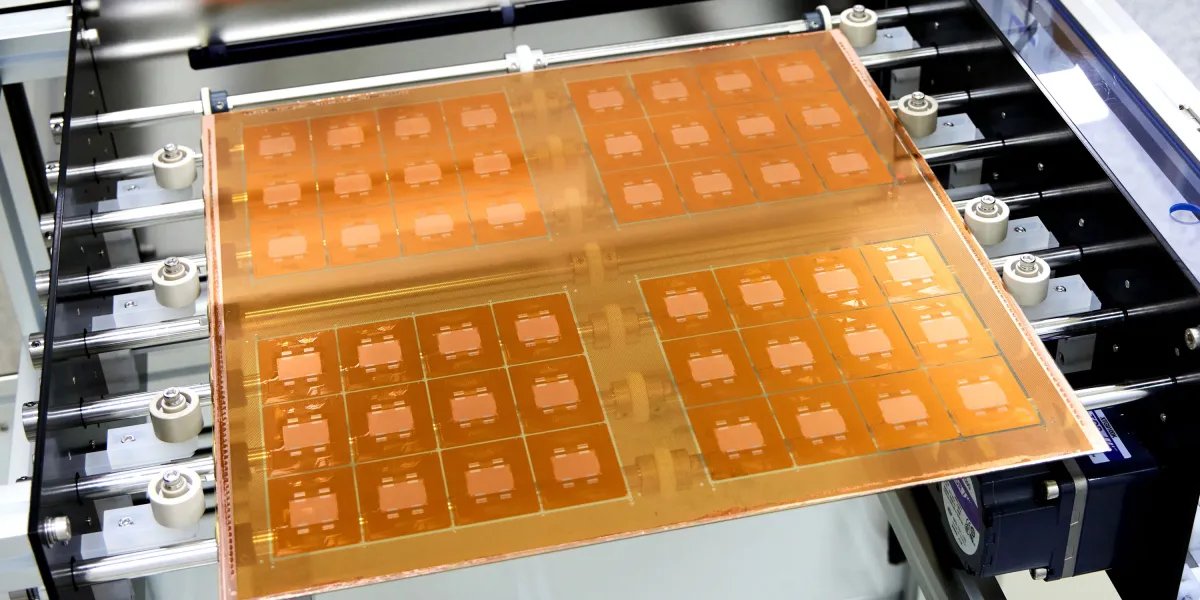
“As AI workloads surge and package sizes expand, the industry is confronting very real mechanical constraints that impact the trajectory of high-performance computing,” says Deepak Kulkarni, a senior fellow at the chip design company Advanced Micro Devices (AMD). “One of the most fundamental is warpage.”
That’s where glass comes in. It can handle the added heat better than existing substrates, and it will let engineers keep shrinking chip packages—which will make them faster and more energy efficient. It “unlocks the ability to keep scaling package footprints without hitting a mechanical wall,” says Kulkarni.
Momentum is building behind the shift. Absolics has finished building a factory in the US that is dedicated to producing glass substrates for advanced chips and expects to begin commercial manufacturing this year. The US semiconductor manufacturer Intel is working toward incorporating glass in its next-generation chip packages, and its research has spurred other companies in the chip packaging supply chain to invest in it as well. South Korean and Chinese companies are among the early adopters. “Historically, this is not the first attempt to adopt glass in semiconductor packaging,” says Bilal Hachemi, senior technology and market analyst at the market research firm Yole Group. “But this time, the ecosystem is more solid and wider; the need for glass-based [technology] is sharper.”
Fragile but mighty
Chip packaging has relied on organic substrates such as fiberglass-reinforced epoxy since the 1990s, says Rahul Manepalli, vice president of advanced packaging at Intel. But electrochemical complications limit how closely designers can place drilled holes to create copper-coated signal and power connections between the chips and the rest of the system. Chip designers must also account for the unpredictable shrinkage and distortion that organic substrates undergo as chips heat up and cool down. “We realized about a decade ago that we are going to have some limitations with organic substrates,” says Manepalli.

INTEL CORPORATION
Glass may help overcome a lot of these limitations. Its thermal stability could allow engineers to create 10 times more connections per millimeter than organic substrates, says Manepalli. With denser connections, Intel’s designers can then stuff 50% more silicon chips into the same package area, improving computational capability. The denser connections also enable more efficient routing for the copper wires that deliver power to the chip. And the fact that glass dissipates heat more efficiently allows for chip designs that reduce overall power consumption.
“The benefits of glass core substrates are undeniable,” says Manepalli. “It’s clear that the benefits will drive the industry to make this happen sooner rather than later, and we want to be one of the first ones who do it.”