dailynewsnblog
Questions are being raised about the Ford government’s timeline to shrink the number of conservation authorities in Ontario by 75 per cent, with local leaders still waiting to see details of the plan.

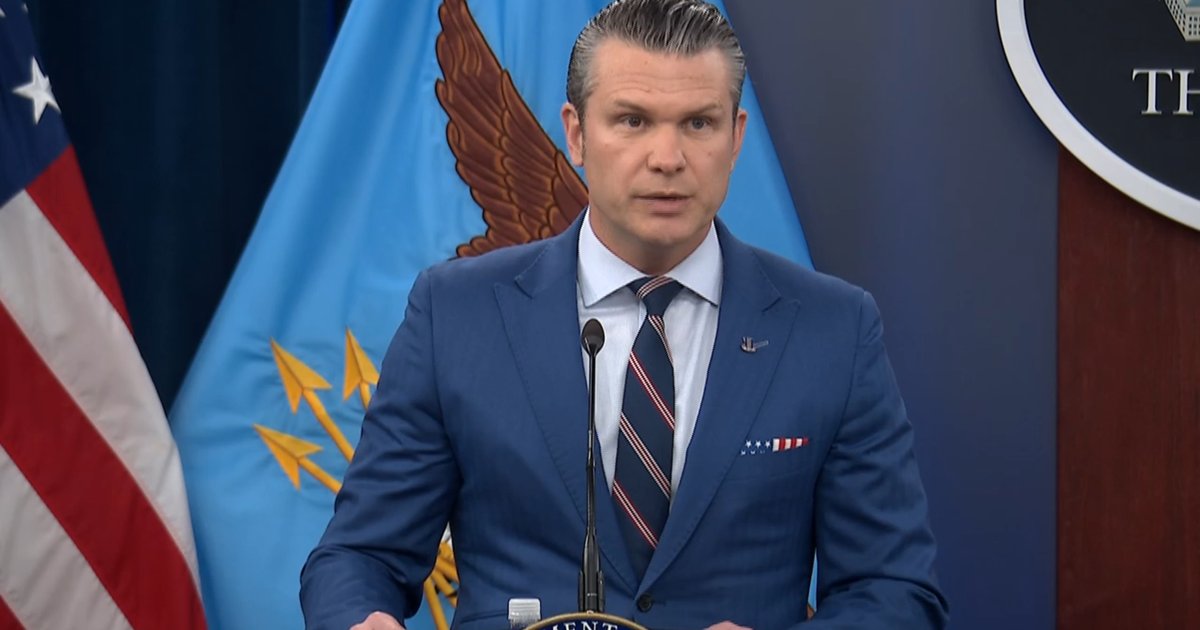
Minister of the Environment, Conservation and Parks Todd McCarthy confirmed this week he would amalgamate the province’s 36 conservation authorities into just nine, something he aims to achieve in the next year.
The province said in its news release it wanted to see a “clear and successful” transition to the new model by “early 2027.”
Tim Lanthier, the CAO of Grey Sauble Conservation Authority, said he and his colleagues were still waiting to see details of the government’s strategy, which he said could likely take more than a year.
“I would suggest that February 2027, as being proposed, is very ambitious,” he told Global News. “It’s our understanding from the media statements that the province has a plan. We’re yet to see this plan, though.”
Lanthier said he wasn’t in favour of the plan but would work to make it happen.

Get breaking National news
Get breaking Canada news delivered to your inbox as it happens so you won’t miss a trending story.
“This isn’t what we’ve advocated for and certainly not what we wanted to see,” he said.
“We will work collaboratively with our partner conservation authorities to make it happen. But whether it can all happen by 2027 — or just the absolute bare bones — remains to be seen. Because there is a lot of work.”
McCarthy has pledged that the amalgamation won’t lead to net job losses and insists it is necessary to deal with “fragmentation,” bring efficiency to leadership and standardization to the work conservation authorities do.
“We had a problem with fragmentation and inconsistency,” the minister said. “We identified the solution to that problem. We listened after initially proposing seven, and we’ve arrived at nine.”
Critics argue that that is a fundamental misunderstanding of what conservation authorities were designed to do.
“What we’re seeing brought forward seems to ignore the reality that we have very different situations in every watershed,” Ontario NDP MPP Peter Tabuns told Global News.
“Putting them together into nine, blending together areas that have very substantial differences is not actually going to help the conservation authorities function properly. It will, in fact, lead to problems where local control isn’t there and understanding of and reflection of local needs won’t be taken into account in decision-making.”
Lanthier said amalgamation could hurt local representation on conservation authorities. While that may be less impactful to their core mandates of protecting drinking and source water, it could reduce the effectiveness of other services they provide.
“We also offer other programs like environmental education, environmental stewardship, watershed management in terms of watershed monitoring,” he explained.
“Some of those programs, because of changes made to the legislation over the last five years, are not considered mandatory anymore. They are implemented because it’s deemed to be important locally.”
McCarthy said his office received 14,000 messages and consultations about its decision to reduce the number of conservation authorities.
His spokesperson did not respond to questions asking if the majority of those comments were in favour of the amalgamation or not.
A housing law from the Progressive Conservative government a few years ago reduced the role of conservation authorities, including limiting the areas they can consider in development permissions, removing factors such as pollution and conservation of the land.
— with a file from The Canadian Press
© 2026 Global News, a division of Corus Entertainment Inc.