dailynewsnblog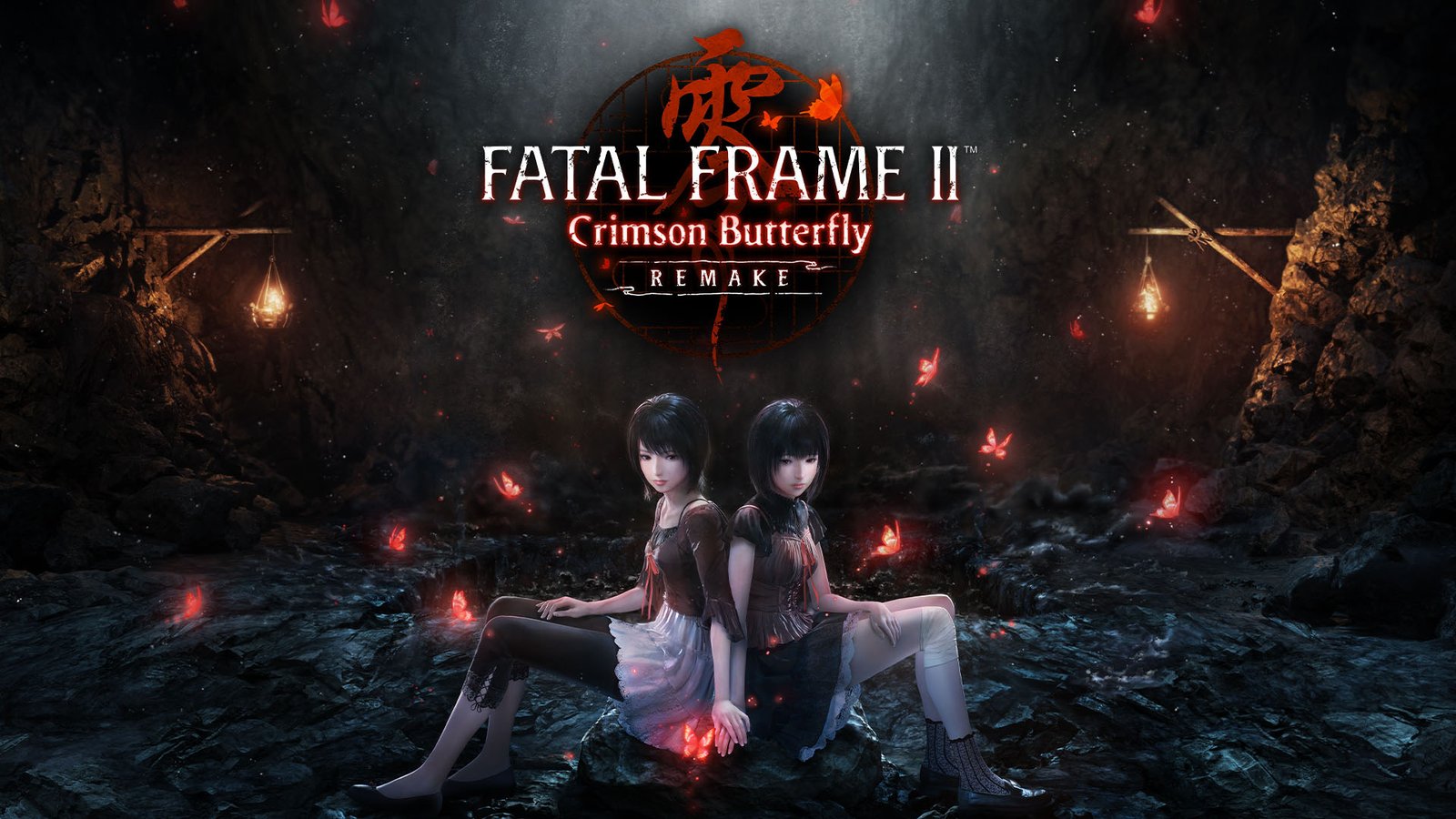
Summary
- The directors of Fatal Frame II: Crimson Butterfly Remake discuss bringing this Japanese horror classic to life.
- This remake is updated with enhanced graphics, immersive sound, and a new, unfixed third-person camera.
- Both the demo and full game are now available on Xbox Series X|S
Originally released back in 2003, Fatal Frame II: Crimson Butterfly has long been lauded as one of the most terrifying Japanese horror games to ever created. Game directors Hidehiko Nakajima and Makoto Shibata, recently sat down to discuss the new project, the keys to designing horror games, and the real-life inspirations behind the hauntings.
Why did Team Ninja decide to select Fatal Frame II: Crimson Butterfly for a full remake among the many past titles?
Shibata: In recent years, we released remastered versions of the Fatal Frame series, and they received positive feedback from players who had never experienced the series before. Around that time, as Team Ninja was planning several new projects, the Fatal Frame series came up for discussion. Among them, Crimson Butterfly was the most frequently requested title from players, which led to this decision.
Nakajima: It is very popular among long-time fans of the series, and at the same time, it has strong name recognition even among players who have never played it.
Shibata: While the series has a long history, it also inevitably carried issues such as heavy controls and dated game design, which were pointed out even in the two most recent remasters.
Nakajima: We knew that developing a horror game would be challenging since it was not a genre Team Ninja had experience with. However, both Shibata, the series director, and myself, along with other staff who had worked on past Fatal Frame titles, believed we could overcome this by leveraging the development environment and know-how cultivated through Team Ninja’s action games.
Shibata: By fully remaking the game—reworking the action and revisiting every element—we felt we could eliminate any outdated impressions of the series and make it enjoyable for modern players who play a wide variety of horror games today. Given that it has been a long time since the last new Fatal Frame title, we decided that a remake was the right approach.
What kinds of discussions and alignment were most important between the action and story teams during development?
Shibata: Broadly speaking, I handled the story and setting, while Nakajima focused on the action. However, since horror games are driven by experience, it was difficult to strictly divide roles. We progressed by constantly checking and discussing things with each other.
Nakajima: The key focus was how the horror experience would change in this remake, and what we needed to do to achieve that.
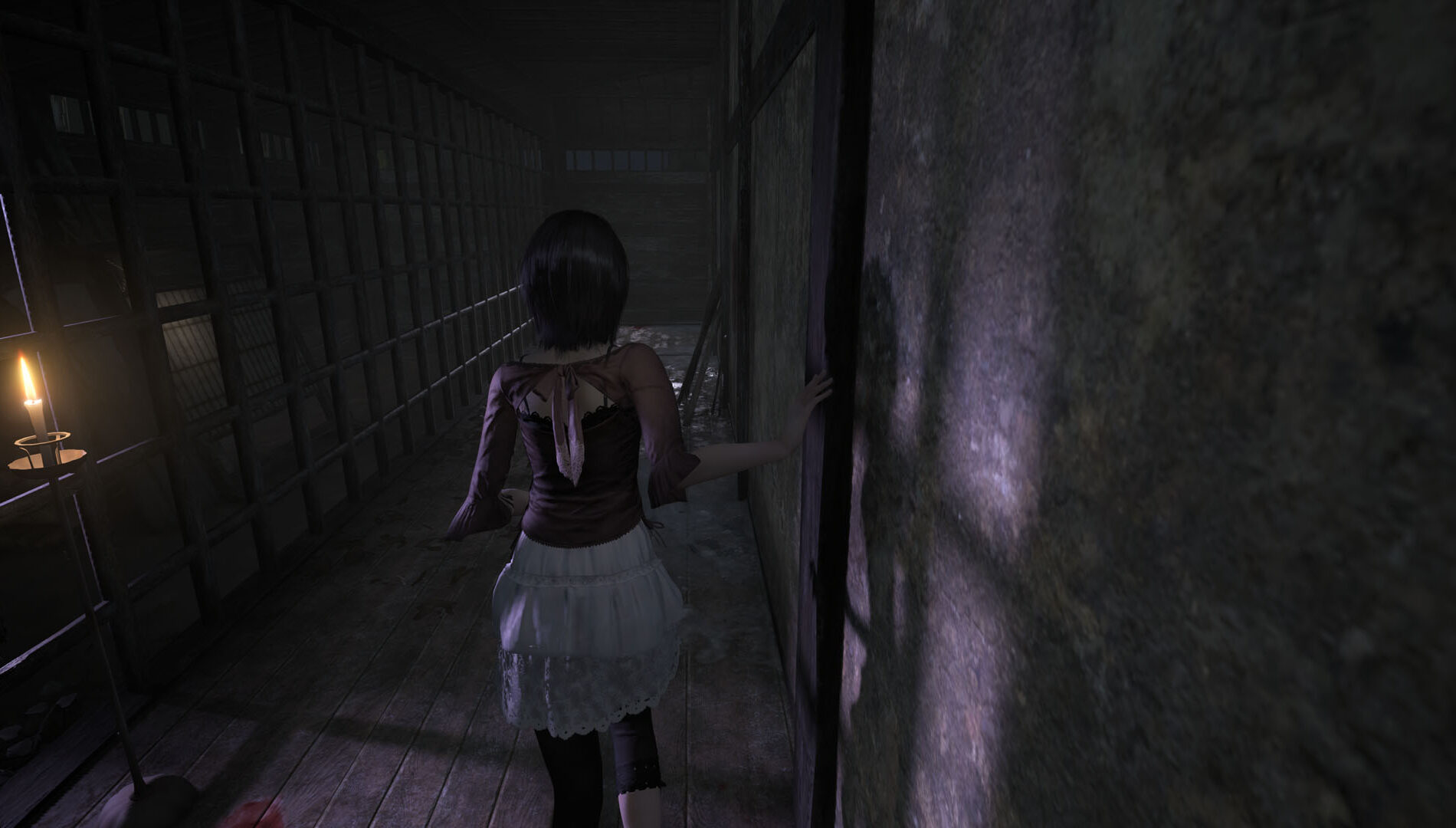
Shibata: In the original, the game’s camera switched between fixed, third-person angles and first-person when using the Camera Obscura. This time, we adopted a standard third-person view for navigation, meaning players are more consistently rooted in Mio’s perspective. If we tried to recreate the original staging exactly, it would require forcibly turning the camera in the opposite direction from where the player was looking.
Nakajima: Forcing the player’s view like that works in horror films, but in an interactive horror game, it breaks immersion. This was a challenging point, so Shibata approached it from the perspective of story, horror presentation, and the original intent, while I focused on how to realize that within a 3D action-game space. We had different perspectives so refined it through discussion.
Shibata: To make players feel the fear of Japanese horror with this control scheme and camera, we redesigned the staging, environmental layouts, and the flow of gameplay.
Nakajima: Unlike previous Team Ninja titles, this game does not prioritize action-driven exhilaration. While improving the controls’ responsiveness and feel is necessary, Mio is just an ordinary human with normal abilities. Simply increasing responsiveness would feel unnatural. From a horror perspective, her movements needed to feel human, while from an action perspective, controls needed to remain stress-free. We adjusted the game carefully from both sides.
How did you redefine “fear” for modern players?
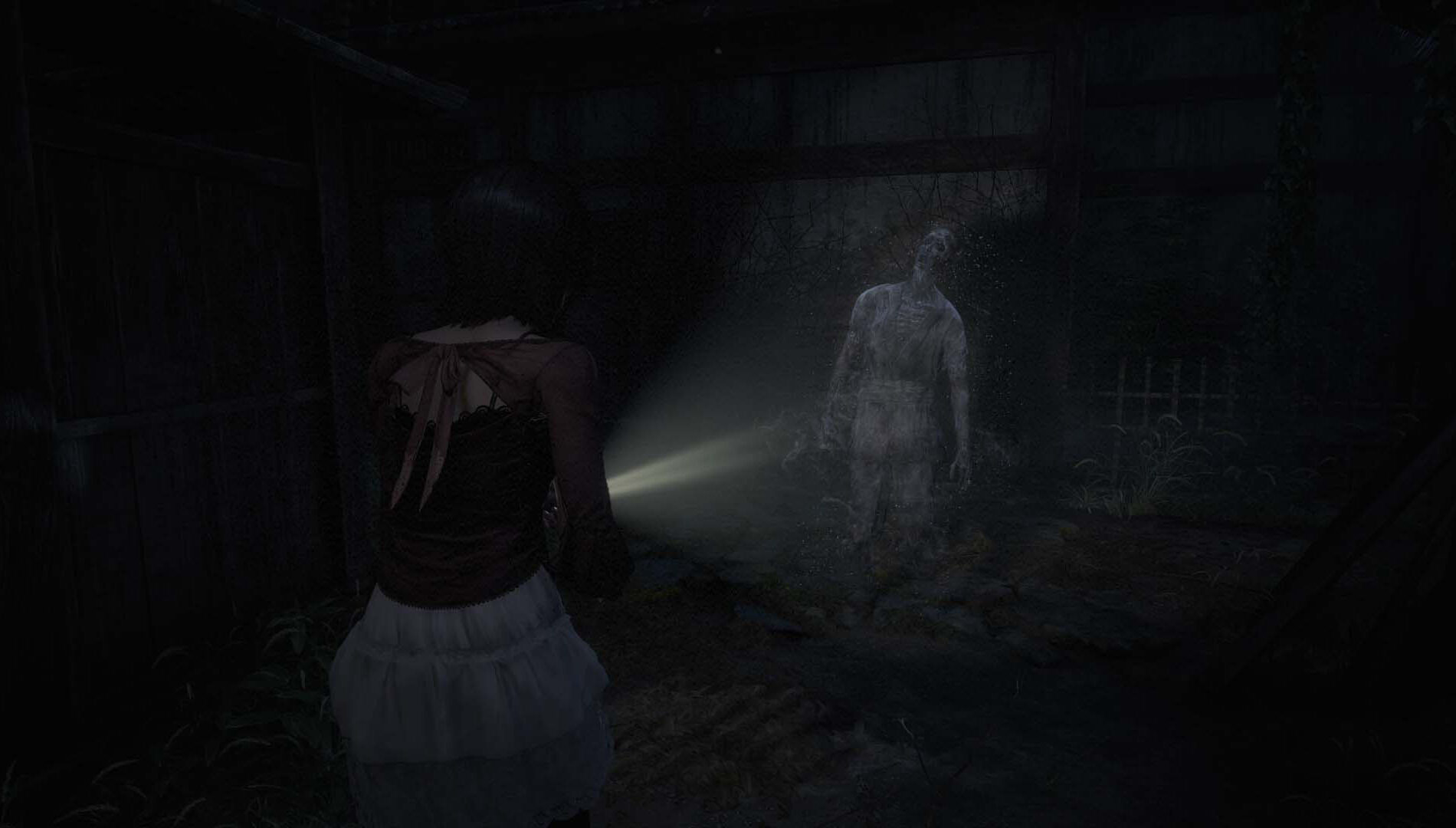
Shibata: The core concept of “fear that stimulates imagination” remains unchanged from the original. However, the way fear is delivered has changed. With the new controls and camera, fear shifts from something the player is “shown” to something they “end up seeing.” Fear now comes from realizing that you have looked at something terrifying as a result of your own actions.
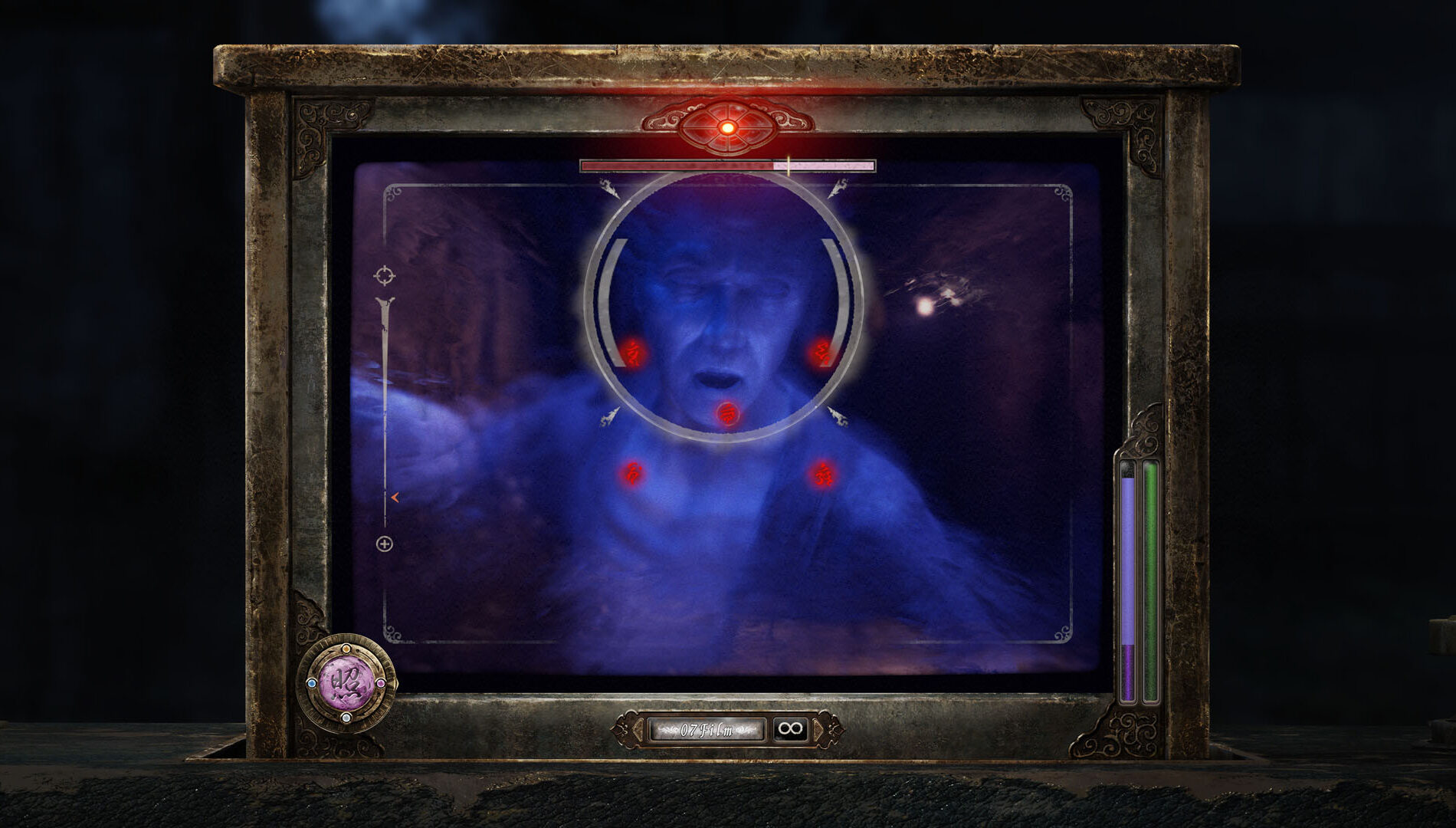
Nakajima: The previous approach had its own unique charm, but in terms of fear, we shifted from adventure-game techniques to action-game techniques. For example, by allowing natural character movement and aligning the player’s viewpoint closely with the character’s, players feel as if they themselves are looking around the village. By increasing immersion, guiding attention, and adjusting movement routes, players naturally “end up seeing” something frightening. That said, combat using the Camera Obscura remains unchanged—you still need to face and look directly at terrifying entities to fight them.
With increased technical capabilities, what elements did you intentionally prioritize or preserve from the original?
Shibata: If the visuals look too clear, the atmosphere is lost. In the original, visual noise was constantly applied to the screen to convey unease and the damp atmosphere of Minakami Village. In this remake, we layered subtle visual noise on the screen, which intensifies when wraiths are nearby. While clearer visuals show off the detailed CG, we intentionally roughened the image to preserve the atmosphere. We also preserved the contrast in visual style—realistic environments and wraiths paired with a charming protagonist. Although this approach originally worked well with low-polygon models, it is also part of the series’ identity. While we improved skin translucency and clothing textures, we maintained that contrast.
What was the most difficult decision when balancing original fans and new players?
Shibata: This wasn’t particularly difficult. We kept the original world and story intact while adopting modern controls and camera work for accessibility. We focused on how players interact with the world of Crimson Butterfly, and enjoyed developing features like Camera Obscura filters and the hand-holding mechanic.
Nakajima: The fear and story we wanted to express already existed. Our challenge was figuring out how to make that experience accessible and easier to play for new players.
How did you leverage Team Ninja’s strengths, and where did you intentionally restrain them?
Nakajima: Our strength lies in balancing natural movement with responsive controls. This is a horror game, and the protagonist is an ordinary human. Striking a balance between Team Ninja’s signature responsiveness and natural movement was both our strength and something we consciously restrained. For example, while inputs respond quickly, the character’s motion emphasizes natural actions over speed. We fine-tuned elements like startup weight and walking versus running speed so that movement feels natural without causing control stress, allowing players to focus solely on the fear. Of course, when it comes to the movement of wraiths, we fully utilized Team Ninja’s expertise.
What did Team Ninja learn from developing a horror game?
Nakajima: Level design and pacing of presentation. Horror games rely less on action derived from terrain and enemy placement, and more on the player’s emotions and awareness. For example, revisiting a familiar location can evoke new fear. These insights can also be applied to action games.
What was uniquely challenging or rewarding about developing a remake?
Nakajima: Because there was an original, we couldn’t drastically change or remove stages or wraiths. Revisiting every element from scratch was challenging.
Shibata: Being able to add stages and actions that couldn’t be implemented in the original was very rewarding. The action of holding Mayu’s hand is one such feature—something we ambitiously included because Team Ninja excels at action design.
How would you like players to approach this game?
Shibata: For those who played the original, we want them to enjoy seeing how much it has evolved. Since the original was released in 2003, memories may be idealized, but we believe this remake lives up to those memories.
Nakajima: For new players, we hope they enjoy it simply as a new horror game. Among many horror titles today, this one offers an accessible way to experience Japanese horror.
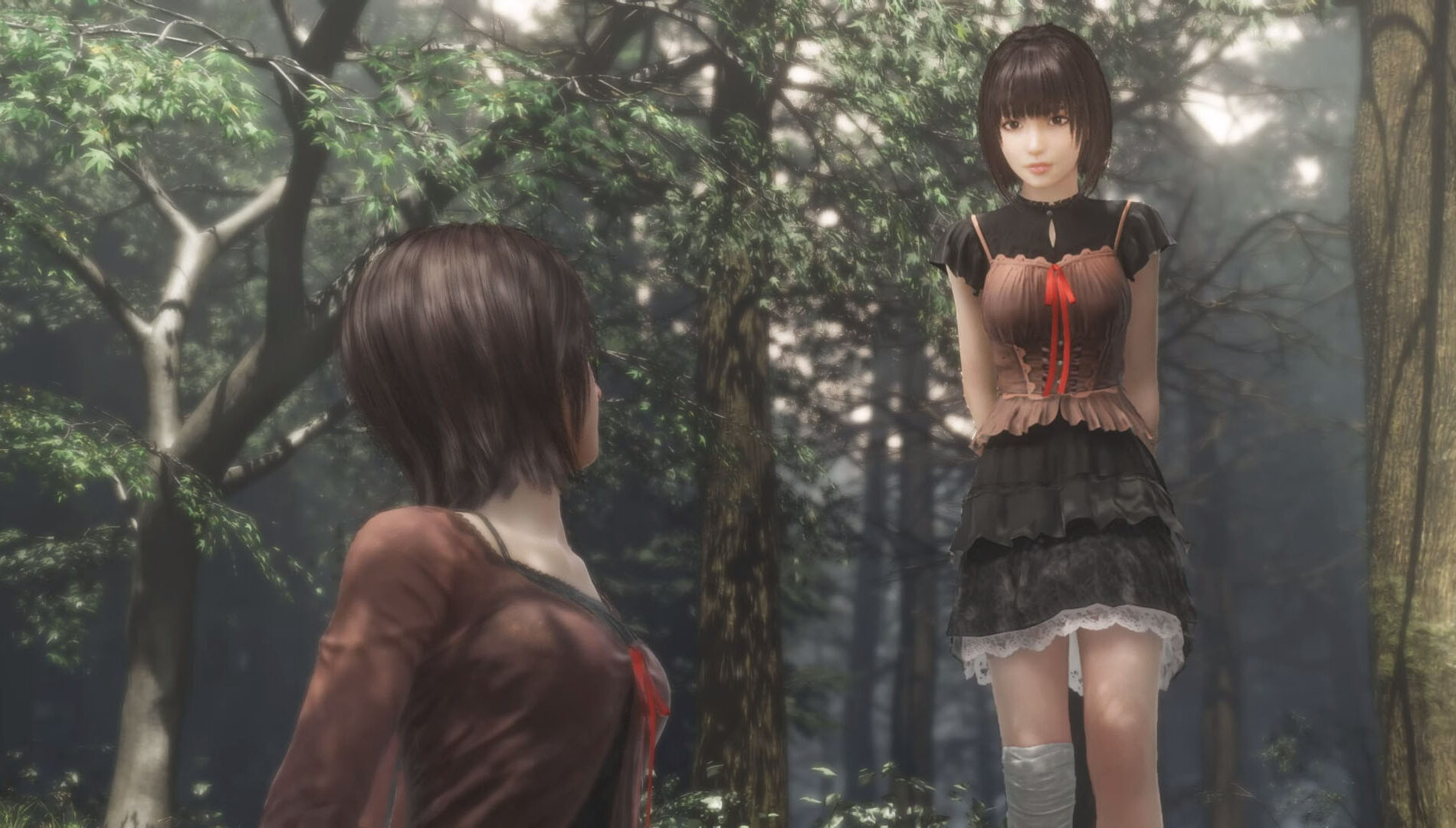
Shibata: Each Fatal Frame title tells a complete story, making this a great entry point for newcomers.
How do you view this remake within the overall Fatal Frame series?
Shibata: Although labeled a remake, we rebuilt every element from scratch using Koei Tecmo’s latest engine. I see it as a reboot of the Japanese horror series.
Nakajima: With this title, we feel we have established a solid system for expressing Japanese horror, and we’d like to further develop it.
Could you share inspiration drawn from personal experiences?
Shibata: I seem to perceive ghosts more through sound than sight. Ghosts emit unique sounds from their location—those sounds rise and fall but remain distinct to each ghost. Sensing their presence through sound is something we incorporated into the Fatal Frame series.
Which wraiths left the strongest impression on you?
Shibata: Chitose Tachibana’s ghost. While most wraiths are terrifying, she looks cute, and once you learn her background, defeating her feels tragic. She was important in adding variety to the wraiths.
Nakajima: All wraiths left an impression due to their backgrounds, but in this remake, Miyako Sudo stands out. As the first wraith players encounter, she was the one we spent the most time refining in terms of representation and combat.
Have you ever tried photographing a spirit in real life?
Shibata: Even if a ghost appeared, I’d be too startled to react in time. I’ve made games about instantly photographing ghosts for years, but in reality, it’s extremely difficult.
If you could choose a weapon to fight a ghost in the real world, what would it be?
Shibata: You can’t win in real life—it’s better to run. Ideally after taking a photo!
Nakajima: I actually carry salt in my bag, so I’d probably throw that. But since I’m bad with horror, if I really encountered one, I’d probably freeze in fear.
Fatal Frame II: Crimson Butterfly Remake is now available on Xbox Series X|S.
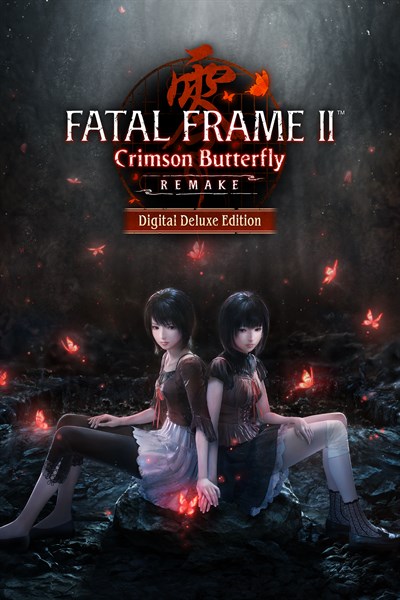
FATAL FRAME II: Crimson Butterfly REMAKE Digital Deluxe Edition
KOEI TECMO AMERICA
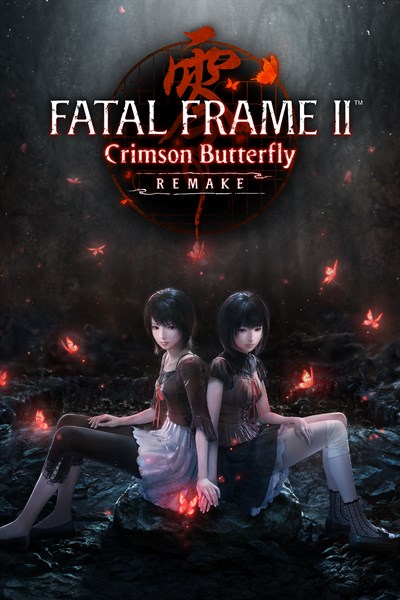
FATAL FRAME II: Crimson Butterfly REMAKE
KOEI TECMO AMERICA