dailynewsnblog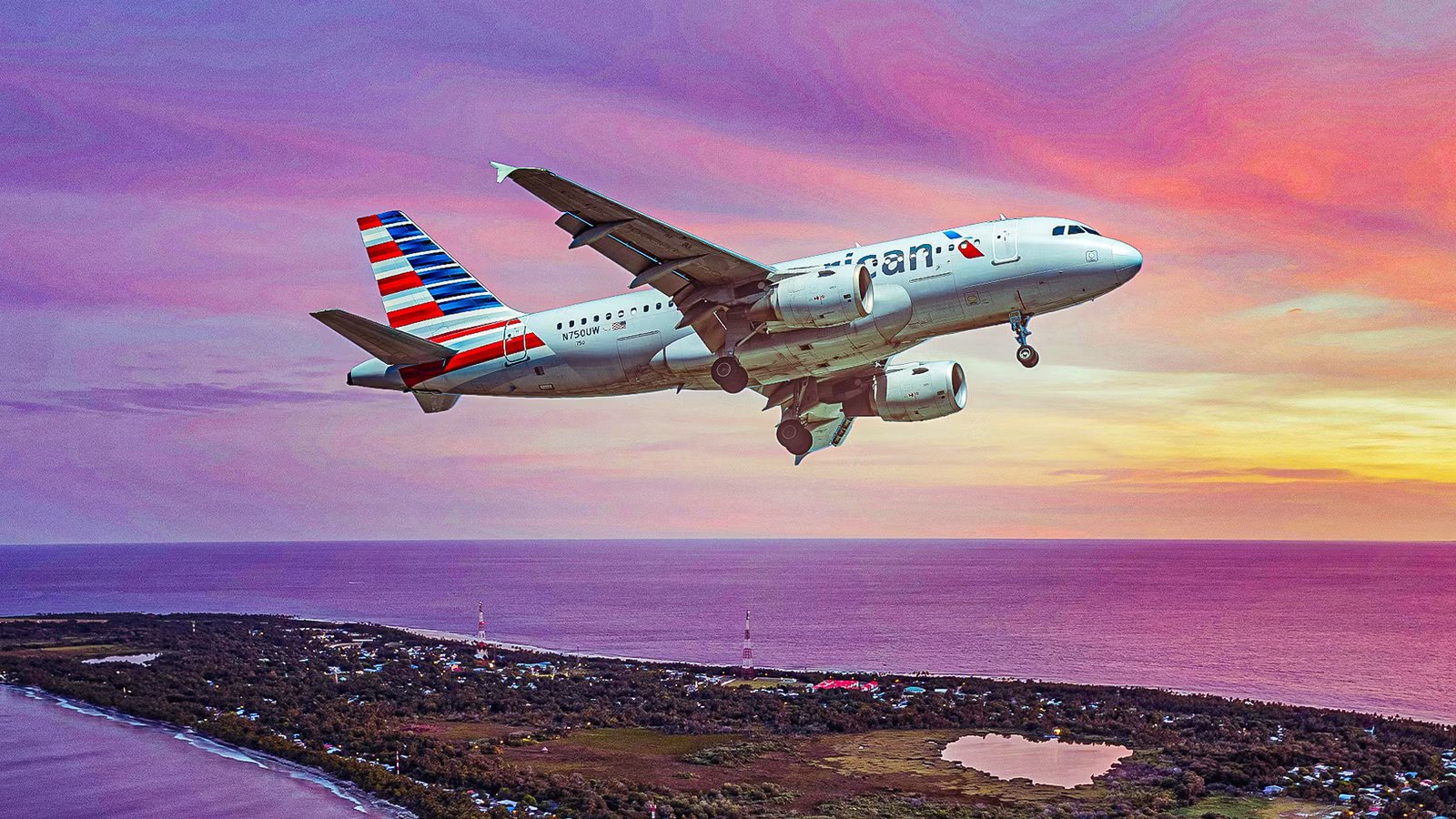
US-based legacy carrier  American Airlines has decided to turn a celebrity-backed food brand into part of its onboard product offering, announcing that Glen Powell’s Smash Kitchen condiments will now be available on some flights. This partnership places the fast-growing brand alongside American’s broader push to make the travel experience feel more premium and distinctive, all while being more tied to recognizable partners.
In practice, the move affects domestic First Class preorders of the airline’s Classic American Sliders and Fries, all while Main Cabin customers can also encounter the brand through a seasonal sandwich offering. It is a small catering change on paper, but it does fit into a much larger premium-positioned story at American Airlines. This may seem like a small move, but there are real implications that this could have for American’s ability to capture high-spending passengers.
A Unique And Industry-Leading Partnership

A major development here is that American Airlines has decided to formally partner with Smash Kitchen, the food brand co-founded by actor Glen Powell in 2025, to introduce its condiments onboard select flights. The products will accompany the airline’s Classic American Sliders and Fries and will be available to domestic First Class passengers who choose to preorder meals through the airline’s website or its mobile application. The brand of condiments is not just going to appear in premium cabins, highlighting the airline’s interest in improving in-flight experiences across its cabin lineup.
The brand is also set to appear on a seasonal sandwich sold in the Main Cabin. Just as important is the symbolic context, as American Airlines is presenting this as a part of a wider onboard-upgrade strategy that already includes Pecan Lodge barbecue, Champagne Bollinger on Flagship international routes, and Lavazza coffee. Therefore, this is not just some kind of one-off condiment-related stunt but rather another visible layer in a broader customer-experience campaign.
A Key Piece Of A Larger Strategy

American Airlines increasingly competes on customer perception, especially in premium cabins where product details can have a significant influence on overall customer satisfaction, passenger loyalty, and customer spending. A recognizable consumer brand helps give American a way to make onboard dining feel fresher and more contemporary without redesigning the cabin itself.
American Airlines’ leadership team clearly understands the importance of this specific product. In a statement regarding the announcement itself, American’s Senior Vice President of Customer Experience and Design Strategy, Rhonda Crawford, had the following words to share regarding the matter:
“Smash Kitchen brings an energy and flavor profile that aligns perfectly with American’s commitment to offering customers a more premium, more memorable inflight experience. We are excited to introduce these sauces on board and continue growing partnerships that reflect our dedication to great food at every stop of the traveler’s journey.”
American Airlines is unsurprisingly emphasizing the customer experience, hoping that this can help continue to grow premium demand and serve as a launchpad for other brand partnerships. In this kind of context, it is easier to understand why a condiment-related partnership matters because it reinforces consistency in the airline’s premium message rather than standing alone as some kind of novelty. It also provides excellent social media visibility.

What Are The Benefits Of Flying In American Airlines’ New Premium Economy?
The refreshed premium economy seats are more comfortable, aesthetically pleasing, and technologically advanced than older seats.
Why Does This Matter Financially?

To be honest, it is hard for us to make a case that this brand partnership on its own will have such a large impact on the carrier’s overall profitability. However, the more interesting thing to explore is that this is very emblematic of larger trends across the entire industry of commercial aviation in the US.
Globally, premium revenues are continuing to grow faster than those of the main cabin, but this difference is far outsized in the United States. US legacy carriers are thus competing over a thin and high-spending slice of the travel market primarily by improving their in-flight products, not through their network strengths or prices, as is more traditional.
Thus, every detail of an airline’s overall experience has to be scrutinized, especially for carriers like American that are looking to improve their overall standing with customers. Industry analysts have long seen  Delta Air Lines and United Airlines as having stronger pricing power in premium cabins than American.