dailynewsnblog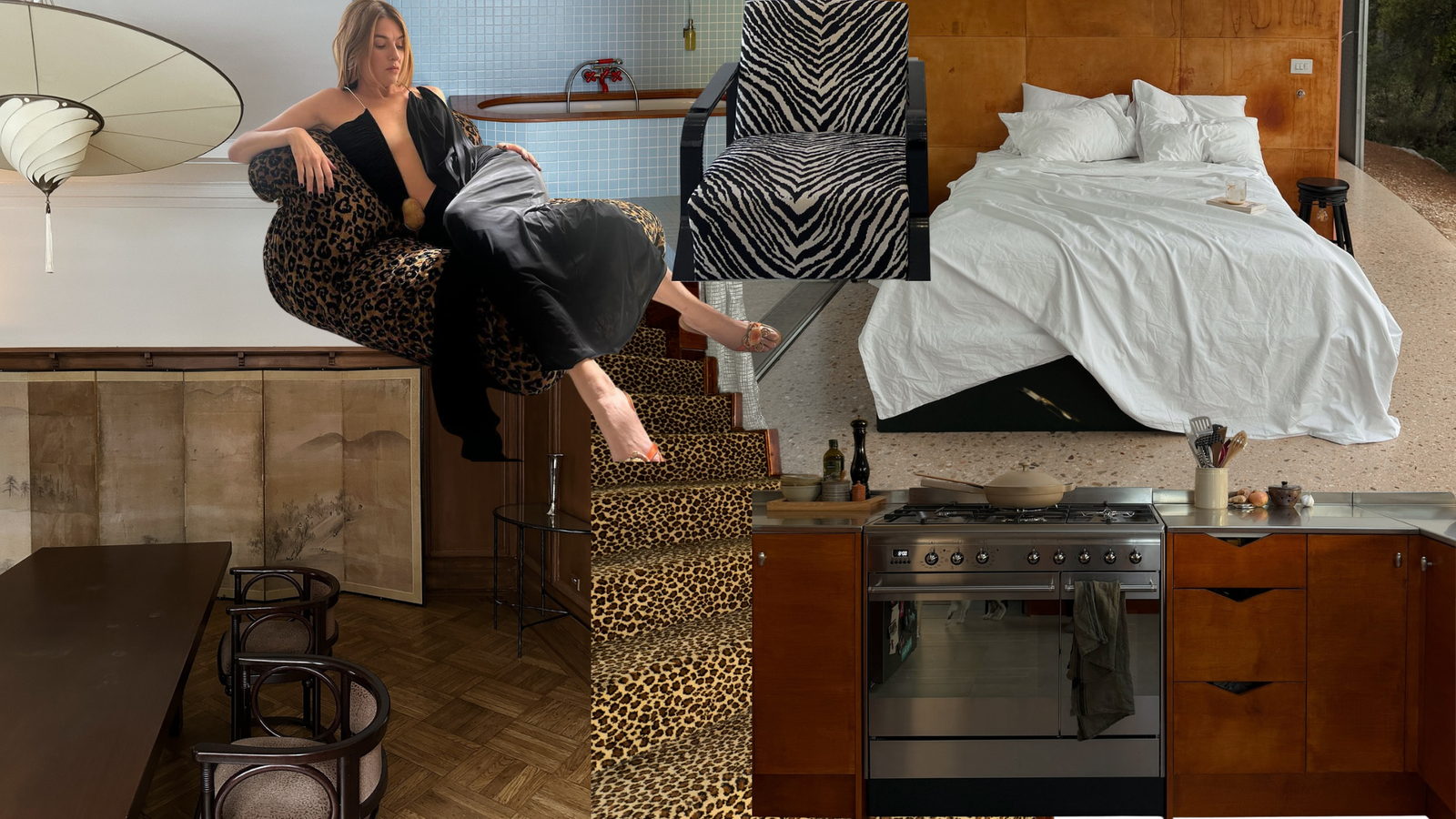
At Who What Wear, we spend a lot of time talking about fashion. The new season trends, the latest It items, the divisive or the viral aesthetics. Clean girl! Quiet luxury! Bohemia! Y2K! It’s a fast-paced, fun and ever-changing. I wouldn’t exactly be revealing anything new by saying that interiors and fashion are closely tied. They both reflect the wider culture, a season’s mood and of course, personal taste.
Whilst it might be silly, frivolous even, to suggest you should change your home every year, or whenever a new trend rolls around, there are benefits to being abreast the changing mood. For example, if you’re renovating or decorating, it can inspire you far beyond a Pinterest board. It can also serve as an indicator of how people want to live and most importantly, want to feel, when in our own environment.

So what are the core trends of 2026? As ever, there are many! And naturally, they reflect what is also happening in fashion right now. After years of a quiet luxury hiatus—which has celebrated all-things minimalist, clean and pared-back—we’re in a time of joy, colour and experimentation in style. The same can be said in our homes, with chintz, colour and vibrancy paving a new path after years “vanilla girl” interiors trending. Interior designer and model, Flossie Hughes, has observed a similar movement:
“One of the biggest shifts I’ve noticed is how much bolder people are becoming with their interior choices. There’s a growing confidence in colour, pattern and statement materials. People are leaning away from overly safe or neutral schemes and are instead embracing spaces that feel personal and expressive. As many people have returned back to the office post lock-down, there’s a renewed desire to clearly separate home from workplace. Rather than defaulting to whites, greys and beiges (which are often seen in the workplace) people are opting for warmer, richer palettes and more character-driven interiors. The home is no longer just a neutral backdrop, its becoming a sanctuary and a form of self-expression.”
In the same vein, we’re witnessing what I would call the “messy girl” era. When I scroll instagram and Pinterest, I’m seeing more authentic, ‘lived in’ environments instead of tidy—arguably sterile—and staged homes that feel “photo-ready.” Products left out in the bathroom, desks that look like they’re actually worked at and kitchens that one might cook (and eat) in are becoming more popular in interior content online.

Another huge trend in fashion is the comeback of bohemia. Not just in its early 2000’s ‘boho chic’ iteration that adored the likes of Sienna Miller and Mary-Kate Olsen, but one that feels much older, and that celebrates folk embroidery, earthy colours and natural fabrics. This very same thing is happening in our homes right now, not just with decorative items that feel adjacent to a folk aesthetic, but an emphasis on more natural materials and organic colour palettes.
Of this, Hughes says, “the interior design mood for 2026 is what I like to call the editorial interpretation of mother nature. We’re seeing the return of Earth’s raw, natural colours and materials, reintroduced in a far more elevated way as refined focal points rather than rustic accents. Shades like burgundy, teal and chartreuse are emerging alongside materials such as Calacatta marble, travertine, wrought iron and burl wood. There’s a clear emphasis on texture and depth, with finishes that feel considered and timeless rather than purely decorative.”
This being said, there is also a steady place for those that do lean more minimalist and look to man-made products. Stainless steel has prevailed as a key material in the home (and not just in the kitchen) in recent years, and there’s been a notable return of glass tiles and postmodern furniture that uses plastic, fiberglass and has chrome accents.
In essence, there’s an eclectic mix of of rising trends prevailing for 2026, and a style suitable for all tastes and home environments. Here, I’ve listed the 7 I think are worth noting.
The 7 Biggest Interior Trends in 2026
1. Folk Bohemia

Style Notes: In 2026, the modern folk movement in interiors is a little like the boho revival we’re seeing in fashion. A few years ago, the term “bohemia” from an interiors POV might have conjured up images of rattan ceiling lights, whitewashed walls and crochet wall hangings that allude to holidays in Mexico and Bali. But now, this newer segue of folk style feels more artisan, cosy and eclectic. No longer a style for those that have a neutral palette, this folky iteration of bohemia feels joyous and colourful. Hughes best describes the modern folk trend as a combination of “styles that create a very cosy and soulful space,” she says in one of her videos. “It incorporates a mix of wood patinas, earthy tones and artisan textiles, all of which add a lot of character to a room.”

John Lewis
John Lewis Fusion Manisa Kelim Rug

TBCo
Lambswool Baby Blanket in Circus Jacquard

TOAST
Lattice Patchwork Cushion Cover | Ecru/aegean Blue
2. European Postmodernism

For a long while, mid-century modern was the trending era for antique furniture. Wassily chairs, teak sideboards and cane accents prevailed in the most stylish spaces. Now however, there’s growing interest in postmodernist pieces from the ‘70s to early ‘90s. From space age-style fibreglass coffee tables to Mario Bellini sofas and Togo chairs, these are the trending pieces ruling Feng Sui in New York, Paris and London right now.

Westwing Collection
Canapé 3 Places En Bouclette Lilo


Carson Round Coffee Table | Maroon Red Marble & High Gloss Burgundy
3. Wood Accents

After years of harsher materials like concrete taking space on countertops, floors and with cladding, wood is finally getting its moment. Adding warmth and dimension to any room of the house; be it in the bedroom with a mahogany headboard or a burl chest of drawers, in the living room with panelling and fitted shelving or in the kitchen with a reclaimed antique pine island or contemporary oak windows, wood, especially when antique and in a mix of finishes, is fast becoming one of the more popular materials in interiors design this year.

zarahome
Wood and Linen Folding Screen

John Lewis
John Lewis Burl 2 Drawer Bedside Table, Natural Beige

4. Animal Print

ICYMI—animal prints aren’t just trending in fashion. From leopard prints to zebra, deer and dalmatian, we’ve noticed animal prints displayed across all kinds of soft furnishings. Zebra rugs courtesy of Nordic Knots, cow hide tubular Bauhaus chairs and chaise longues and the occasional leopard print cushion or two. Especially chic when on the aforementioned postmodern style furniture, this is a cool and confident way to elevate a space, and allows you to experiment with print without becoming too maximalist.

The Socialite Family
Rotondo modular fireside chair in tiger velvet

Nordic Knots
Tigris – Beige/brown

5. Stainless Steel

Unlike wood, stainless steel has a definitive man-made, industrial feel. Affordable, durable and in my opinion, one that gets better with age and wear, stainless steel is a growing preference in kitchens for those that want a contemporary feel. Elsewhere in the home, stainless steel is popping up on occasional furniture and fixtures—think side tables, shelving as well as postmodern accessories and details (think fruit bowls, candleholders and coasters). Where trends like chintz and folk Bohemia feel warm and cosy, stainless steel is unmistakably cooler. But for me, this is its appeal. It works well combined with tiled or polished concrete floors and blends with modernist furniture and pops of colour. It’s also very ‘90s, early ‘00s—so if JFK Junior’s iconic Manhattan loft in Love Story is your vibe, then stainless steel is for you.

The Good Living&Co.
“meadow” Chair – Skirted

SOPHIE LOU JACOBSEN
+ Etagere Spiral Set of Eight Nickel-Plated Coasters

The Good Living&Co.
“alto” Folding-Screen in Stainless Steel
6. Chintz Charming

Maximalist to its absolute core, chintz is not for the faint hearted. Whilst this vintage-inspired, frothy and print-heavy trend feels both dated and timeless at the same time, it’s currently enjoying a major moment. Hotels like The Rose in Deal and the recently revamped suites at The Dorchester, celebrate swaths of fabrics adorned in floral prints, vibrant hues and moire silk, fringe tassels and rich velvets. Often considered kitsch, there’s a cosiness to chintzy decor that feels inviting. Whilst going all out with Bunny MacDougal-inspired dust ruffles and mallards isn’t a requirement, looking to heavily-printed occasional furniture like poufs, adding floor-to-ceiling patterned wallpaper or even sourcing a four-poster bed (I swear, they’re coming back!) is definitely a suggestion.

Anthropologie
Organic Cotton Percale Printed Bedding Set

Laura Ashley
Laura Ashley Pink Beauchamp Floral Frill Cushion

Ottoline
Chintz Caroline Wallpaper by Ottoline
7. “Girl” Mess

Probably my favourite trend of all. After a long while of pristine homes that appear staged for social media, we’ve entered into an era of more ‘real’, or rather lived-in home environments. We could compare this to the demise of the clean girl aesthetic in beauty, a desire for more authentic realities of peoples homes is growing. Of course, these homes still feel beautifully curated, but instead of colour-coordinating your book shelves or ensuring your beauty cabinet only has Byredo and Aesop products, we’re witnessing what I refer to as “girl mess.” Kitchens filled with mismatching fabrics and trinkets that evoke memories of holidays, living rooms that (shock!) look actually lived in, with stacks of books used as side tables, open newspapers with a pen on the side to finish a half-done sudoku or crossword, as well as candles that have (again, shock!) been burnt once before is the general vibe I’m getting from interiors accounts I follow. So, messy girls, rejoice!


Hachette Book Group
Hachette Book Group Workman Il Dolce Far Niente Book