dailynewsnblog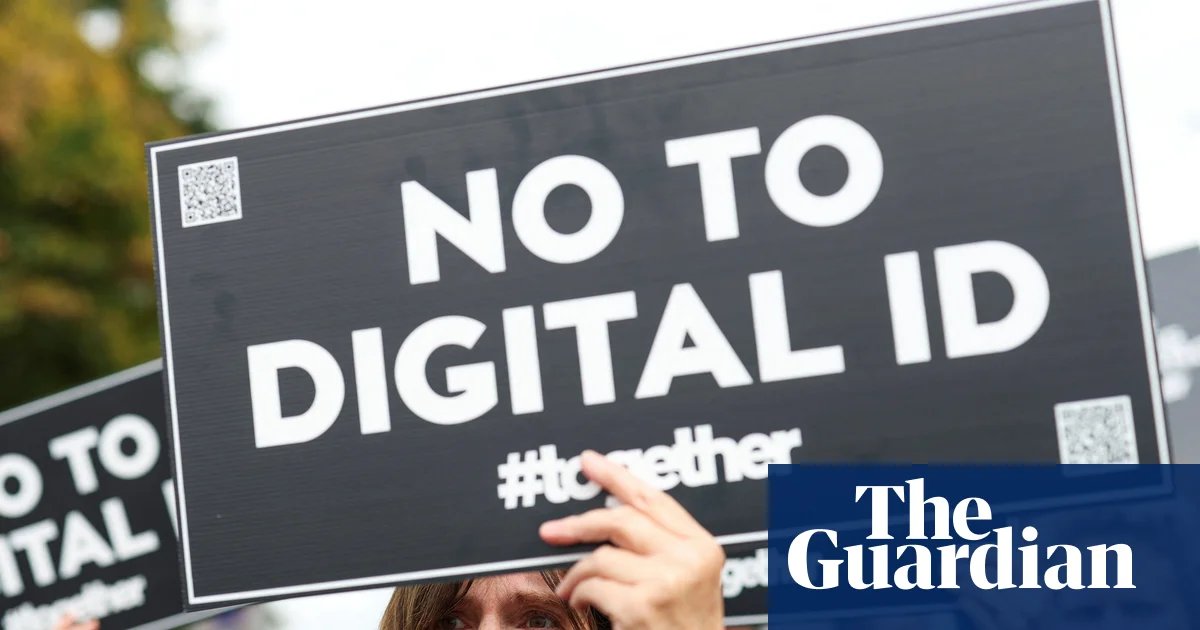
Britain’s £1.8bn digital ID scheme will only be available for a handful of uses by the next election, including paying vehicle tax and right-to-work checks, the minister in charge of the project has said.
Darren Jones, the prime minister’s chief secretary, said on Tuesday he eventually wanted the app to be used for everything from claiming benefits to proving the right to vote, but that most of this would not happen until the next parliament.
Launching the government’s consultation on the project, Jones admitted its initial use would be relatively limited despite costing as much annually as the Cabinet Office’s entire budget last year.
He said: “There will be some simple things that will come forward by the end of the parliament: maybe tax disc payments; some administrative tasks; the right-to-work check will be available if you want to use it from 2029.
“But the big prize – when you’re looking at things like the childcare system or your pension statement or HMRC data – that’s really a prize for the next parliament, because we’re going to have to take some time to get it up and running in the first place.”
Jones said on Tuesday the government would spend the next eight weeks consulting the public on what they would use a digital ID for and what concerns they had about its use.
When he announced the project last year, Keir Starmer initially said it would be used as a mandatory right-to-work document to prevent migrants working in the country illegally.
Since then, however, it has changed scope considerably, with ministers dropping the idea of making the ID mandatory and instead stressing its use for improving public services.
Jones said on Tuesday it would help end the unfairness of “pushy” people being able to access certain services because they had the patience and energy to wade through government bureaucracy.
He said: “At the moment, people who have the time, or the means, or the capability to just keep on, often end up getting to the front of the queue, because they end up being a bit annoying to the person on the other end of the phone.
“The whole point with this is that it should be easy, simple and accessible to everybody.”
Part of the government’s consultation will involve a “people’s panel” of 100 people selected at random from across the country, who will have a chance to vote on the scheme at the end of the process.
Ministers say they have taken inspiration from countries such as Estonia, where people use a single digital ID to access health records, sign documents online, claim benefits and make tax payments.
For now, the UK’s rollout will be much more limited, with ministers concerned about pushback from voters. Polls show 40% of people oppose the idea, compared with 32% who back it.
Jones said that if future governments wanted to expand its application beyond what is developed by the time of the next election, they would have to return to parliament to secure the support.
He said: “I expect to build in a mechanism that means that government and any future government will have to be back to parliament for a check and balance and approval for each service that comes onto the app in the future.”