dailynewsnblog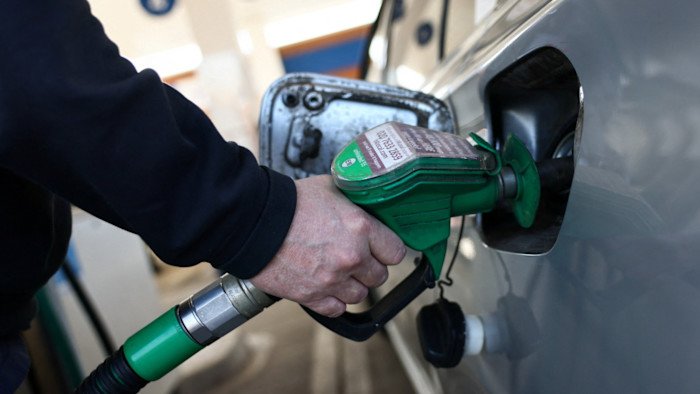
Unlock the Editor’s Digest for free
Roula Khalaf, Editor of the FT, selects her favourite stories in this weekly newsletter.
Chancellor Rachel Reeves has accused petrol retailers and heating oil companies of “price gouging” as she sought to deflect calls for a costly state intervention to hold down UK energy prices.
Reeves insisted that the government’s priority was to stop companies from exploiting the crisis in the Middle East to “rip off” their customers, alongside working with allies to “de-escalate” the war.
Her comments were an attempt to fend off calls from the Conservatives and Reform UK to reverse a planned rise in fuel duty from September after a 15-year freeze.
Instead, the chancellor took aim at what she claimed were irresponsible businesses. “This government will not tolerate price gouging,” she said.
“Yesterday some petrol retailers were charging almost 180p a litre while others charged less than 130p a litre,” she said, adding she would be meeting companies this month “to get prices down at the pumps”.
Gordon Balmer, executive director at the Petrol Retailers Association, said Reeves’ comments showed a “fundamental misunderstanding” of how the industry worked. They did not take into account different retailers’ arrangements with their own suppliers, which could mean that price changes would not feed through immediately, he said.
“If there is evidence of price gouging, we would like to see it, because that would imply she knows the details of confidential arrangements between retailers and their suppliers,” he added.
The previous Tory government spent almost £80bn on support for households and businesses in the two fiscal years after the start of the Ukraine war, to cushion the impact of a jump in energy prices. But Reeves is desperate to avoid this kind of state bailout.
However, Lord Spencer Livermore, Treasury minister, will hold talks on Wednesday with officials and MPs from Northern Ireland and rural areas to discuss ways to hold down the spiralling cost of heating oil, which is used by about 1.5mn homes.
Heating oil is not covered by the Ofgem energy cap, which will hold down household gas and electricity prices until the end of June.
Reeves has also asked the Competition and Markets Authority to “be vigilant” to make sure consumers are not being ripped off “in essentials like road fuel and heating oil”.
“Vessels aren’t flowing through the Strait of Hormuz and some companies are using this as a chance to rip off customers,” she told MPs.
Ken Cronin, chief executive at the UK and Ireland Fuel Distributors Association, said that heating oil suppliers were buying their product at much higher prices due to the disruption to Middle Eastern supplies, while demand had also risen.
“We proactively went to the government on Friday and said ‘we have concerns about the impact this is having on our customers’,” he said. “If the CMA is reviewing what’s going on, we support that, but let’s be clear: there are some very unique circumstances here.”
Reeves’ comments come against a backdrop of growing nervousness at the Treasury over the economic fallout of the war in Iran, even if the US and Israel cease military operations in the near future.
Reeves told MPs on Monday that there was likely to be “upward pressure on inflation in the coming months” and worsening cost of living pressures, which the Labour government has vowed to tackle as its top priority in 2026.
At her Spring Statement just a week ago, Reeves presented Office for Budget Responsibility forecasts and said inflation and interest rates were both set to fall this year — calculations that appear to have been rendered obsolete by the conflict in the Middle East.
The darkening outlook was illustrated by a British Chambers of Commerce economic forecast on Tuesday, which suggested 2026 would feature slow growth, higher inflation and rising unemployment.
The BCC revised growth for 2026 down to 1 per cent and unemployment up to 5.5 per cent, adding that interest rates were now expected to remain at 3.75 per cent this year before being cut to 3.25 per cent by the end of next year.
Reeves is holding back on announcing any big economic interventions as she waits to assess the fallout of the conflict. “De-escalation in the Middle East is the best way to protect businesses and working people from rising costs,” she said.
Separately, Reeves is soon expected to endorse the findings of a report by economist John Fingleton on how to speed up the delivery of new nuclear power stations in Britain.