dailynewsnblog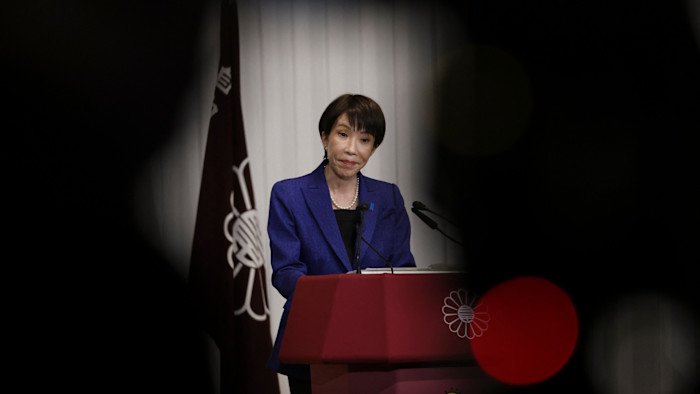
Unlock the Editor’s Digest for free
Roula Khalaf, Editor of the FT, selects her favourite stories in this weekly newsletter.
Sanae Takaichi is confronting the first major challenge since her landslide election victory last month, as economists warn that sustained high oil prices could push Japan’s economy towards recession.
The war in Iran has thrown Japan’s heavy reliance on energy imports, particularly from the Middle East, and its vulnerability to energy market turmoil into stark relief, analysts said.
The country imports almost all of its energy and much of its food, meaning that turmoil in energy markets, combined with prolonged weakness in the yen — already trading near two-year lows — could quickly translate into higher inflation.
As crude oil prices surged past $100 a barrel this week, economists warned of the fallout for Japan’s economy, up to the longer-term risk of tipping the country into recession.
“There is a risk of stagflation in Japan” if the price of oil continues to rise, said Takahide Kiuchi, an economist at the Nomura Research Institute.
The upheaval comes at a critical time for Takaichi, who won a historic election victory last month on pledges to alleviate the pain of rising food prices but now faces the prospect of steering households through a phase of surging energy costs.
She told parliament on Monday that the government was considering dipping into Japan’s strategic oil reserves to ensure petrol prices “do not rise to levels that cannot be borne by households”.
Elevated oil prices could also weigh on the Bank of Japan as it seeks to time its next interest rate rise without disrupting the country’s economic recovery.
“Japan’s economy isn’t exactly stagnating, but it’s hardly sprinting . . . it wouldn’t take much to have GDP fall over two consecutive quarters,” said Stefan Angrick, head of Japan economics at Moody’s Analytics.
The Iran conflict has injected huge uncertainty into those calculations. Nomura’s Kiuchi has calculated that oil prices remaining close to $110 for a year could shave 0.39 percentage points off Japan’s GDP growth.
“Around $140 a barrel is a critical level where . . . Japan’s growth rate will fall into negative territory,” he said.

Others, however, have put that figure considerably higher, estimating that oil would need to remain above $175 per barrel for a year before Japan risked a recession, pointing to the country’s oil reserves — which cover 254 days of demand — and the government’s past use of fuel subsidies to shield the economy from the worst of an immediate price shock.
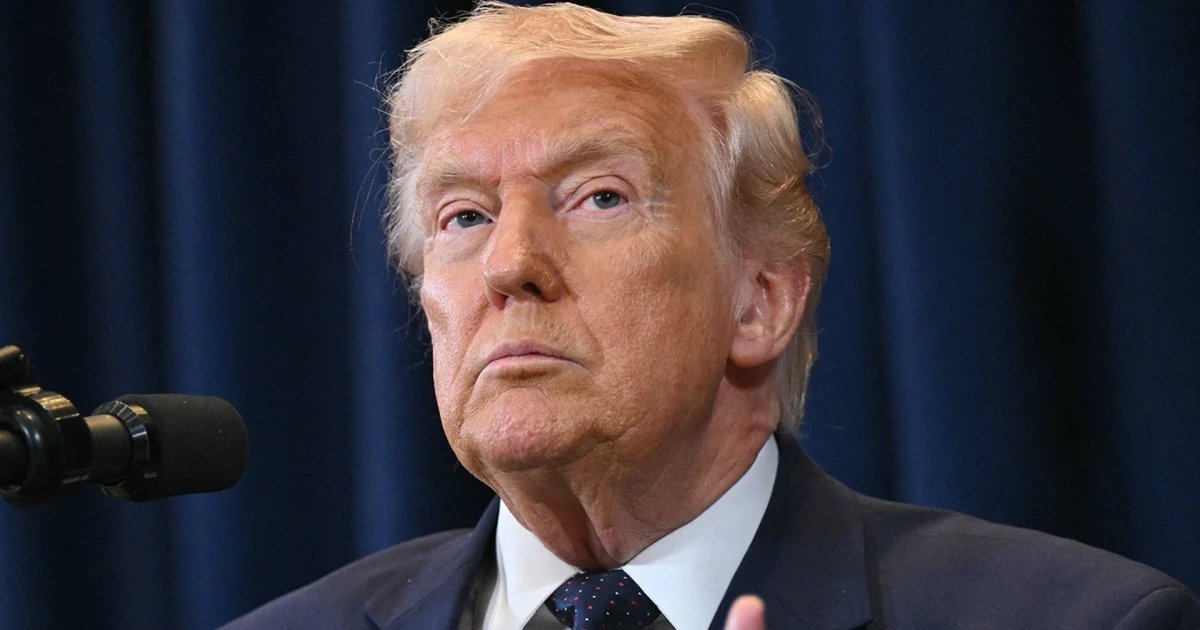
Takaichi’s dilemma also comes as she prepares for a high-stakes summit with US President Donald Trump next week, where she could face “additional demands for more positive support for the US in the Middle East”, said Tobias Harris, a political analyst at Japan Foresight.
The prime minister has sought to depict her relationship with Trump as cordial, despite US demands for higher defence spending and a tariff deal requiring $550bn of Japanese investment in the US.
Her ambitions of promoting domestic corporate investment, he added, could be hampered as global economic uncertainty causes companies to hesitate.
The BoJ is also due to meet next week, and while few analysts expect the central bank to raise rates amid the current crisis, persistent pressure on the yen is complicating the picture.
Some economists argue that imported inflation from higher energy costs — as opposed to prices rising alongside demand and wages — could cause the BoJ to push back rate rises. Others, pointing to resilient capital spending as companies invest to address labour shortages, said the BoJ still had a tailwind for at least one rate rise before summer.
The yen is trading at about ¥158 to the US dollar, close to the ¥160 level where authorities have intervened in the market in the past and which forex analysts believe is a red line for the government.
“It’s a choice between the growth outlook versus the need to defend the currency,” said Hiroshi Shiraishi, Japan economist at BNP Paribas.
He added that while the BoJ’s preference might be to pause its rate “normalisation” cycle for now, higher living costs could spur Takaichi to respond with further government spending pledges and subsidies.
While this would lower prices in the short term, it would “add to underlying inflation pressure” in the longer term, reigniting market concerns over the ruling Liberal Democratic Party’s commitment to fiscal responsibility, he said.