dailynewsnblog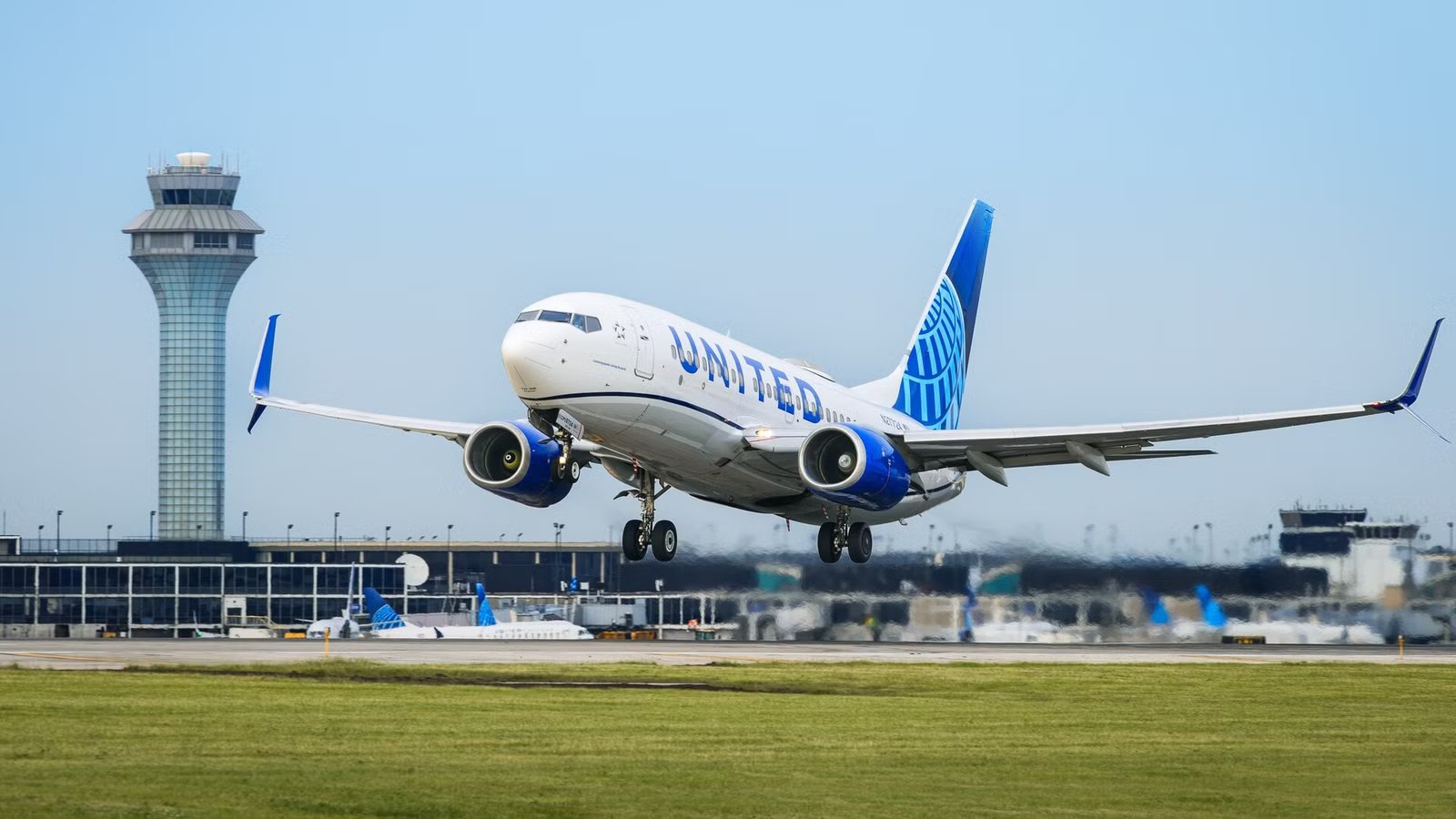
A routine Monday morning domestic flight turned into a far more serious event for passengers on  United Airlines Flight 1207 after the aircraft was forced to return to
  Newark Liberty International Airport (EWR) shortly after takeoff on March 9. The Boeing 737 MAX 8 had departed for Jacksonville, Florida, but instead circled back to New Jersey after what has been reported as a bird strike.
That alone would have made UA1207 a notable incident. But early reporting suggests that the crew were also dealing with a cracked windshield and a possible pressurization issue, adding another layer of seriousness to what might otherwise have been described as a routine precautionary return. The aircraft landed safely back at Newark, and no injuries have so far been publicly reported.
Why UA1207 Turned Back So Fast

By the numbers, UA1207 was a short flight in every sense. Flight tracking data shows the aircraft pushed back from the terminal at Newark at 07:55 AM, taking to the air at 8:19 AM bound for Jacksonville International Airport with 145 crew and passengers on board. But just minutes into the flight, as it was passing through 3,000 feet, the crew reported a bird strike and requested delay vectors.
Alarmingly, the Aviation Herald says that the crew subsequently reported a cracked windshield and a possible pressurization issue. That combination is important. Bird strikes are often thought of mainly in engine-ingestion terms, but depending on the size of the bird, the point of impact, and the aircraft’s speed, damage can also affect radomes, windscreens, or other parts of the airframe. Damage to the windshield impacts visibility for the crew, and in some extreme cases, has even led to injuries on the flight deck.
The crew chose to declare an emergency, turning right from their flight path to perform a long loop to the west of EWR before being routed for a safe landing on Runway 22L about 20 minutes later. There are no reports of injuries, but the incident is a reminder that even relatively ordinary domestic departures can become high-priority incidents in seconds, especially during the critical takeoff and initial climb phases. The FAA subsequently reported:
“United Airlines Flight 1207 returned safely to Newark Liberty International Airport around 8:40 a.m. local time on Monday, March 9, after striking a bird while departing. The crew reported a cracked windshield and a possible pressurization issue. The FAA will investigate.”
Newark’s Bird Strike Problem Is Nothing New

If there is a broader story here, it is that Newark has seen this all before, as it has a higher-than-average incidence of bird strikes. Latest FAA wildlife-strike data shows that there were over 22,000 documented wildlife strikes in 2024, with the vast majority of strikes (82%) occur at or below 1,500 feet — the exact phase of flight at which UA1207 encountered trouble. Overall, the annual cost of wildlife strikes to the US aviation industry is estimated at nearly 75,000 hours of aircraft downtime and $500 million in monetary losses.
Newark is particularly notable because it sits in a busy, wildlife-sensitive operating environment and has repeatedly featured in bird-strike reporting over the years. Sometimes those incidents end with little more than inspections and delays. At other times, they become much more dramatic, as the airport’s recent history has shown.
Date | Airline | Aircraft | Incident |
|---|---|---|---|
March 2025 |
FedEx |
Boeing 767 | Bird strike shortly after takeoff from Newark caused an engine fire, prompting an emergency return. |
October 2024 |
United Airlines |
Boeing 737-900 | Bird strike on final approach at about 2,200 feet left the aircraft with a deep dent on the left engine cowling. |
October 2024 | United Airlines | Airbus A319 | Bird strike during climb-out left a “pretty good dent” in the left wing; the jet leveled at 10,000 feet and returned to Newark. |
June 2024 | United Airlines | Boeing 787-9 | Bird strike was followed by post-flight discovery of damage to the No. 1 engine cowling. |
August 2023 | FedEx | MD-11 | Bird struck the radome on short final, knocking out weather radar. |
The most obvious comparison is the FedEx Boeing 767 event from March 2025. In that case, a bird strike shortly after departure caused an engine fire that was visible from the ground, and forced the aircraft back to Newark in a dramatic emergency return. UA1207 does not appear to have unfolded in such visually alarming fashion, but the pattern is similar enough to stand out: a strike during the most vulnerable phase of flight, an immediate return, and a safe landing before the situation could deteriorate further.

Engine On Fire: FedEx Boeing 767 Returns To Newark After Bird Strike
A FedEx Boeing 767 aircraft returned to Newark after a bird strike.
What Happens After A Bird Strike Return

Once an aircraft is safely back on the ground, the airline’s work is only beginning. In a case like Flight 1207, maintenance teams would not just be looking for bird remains in an engine inlet. They would also be inspecting the windshield area, radome, fuselage, seals, and surrounding structures to determine whether the strike itself caused the crack or whether the impact triggered a related pressurization or structural issue.
If the windshield has to be replaced, that is a much bigger job than swapping out damaged automotive glass. Aircraft cockpit windshields are heated, multi-layer structural transparencies tied into electrical systems and pressurization protection. Replacing one typically takes at least a day, and involves removing the damaged panel, disconnecting heater and sensor connections, checking surrounding fasteners and structure, fitting and sealing the replacement, and then carrying out post-installation checks to confirm proper heating performance and that there are no leaks.
For the passengers, the immediate effect was a delay as a replacement Boeing 737 MAX 8 was brought in, which later reached Jacksonville nearly four hours behind schedule. As frustrating as that might have been, it was the quick reactions of the crew in handling the bird strike and turning back to EWR that ensured they faced nothing more than a short delay to their Spring Break plans.