dailynewsnblog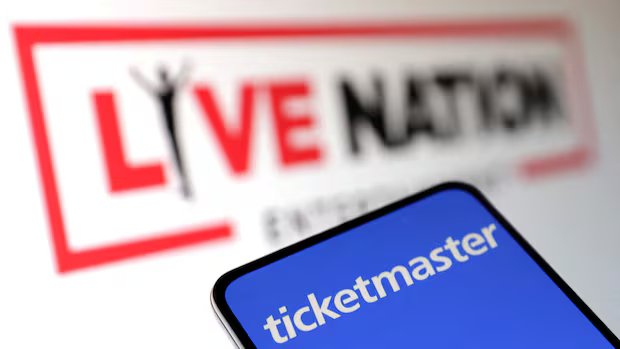

Listen to this article
Estimated 2 minutes
The audio version of this article is generated by AI-based technology. Mispronunciations can occur. We are working with our partners to continually review and improve the results.
Live Nation Entertainment has reached a proposed settlement with the U.S. Justice Department, according to a court hearing on Monday.
In the same hearing, it was disclosed that Live Nation is also in talks with state attorneys general to secure a broader, global resolution of related state-level antitrust claims.
Shares of the California-based company are up 4.5 per cent in premarket trading.
Live Nation, Ticketmaster and the Justice Department did not immediately respond to requests for comment.
Details of the settlement were not immediately made available.
The development throws the case into chaos in the middle of what was to be a weeks-long trial. New York and 38 other states plus Washington, D.C., also have claims against Live Nation.
An attorney for Washington moved for a mistrial on behalf of the states. The judge was considering that request on Monday morning, or potentially pausing the trial to allow the states to prepare to proceed on their own.

The U.S. Justice Department is suing Live Nation, the owner of Ticketmaster, alleging it has illegally monopolized the live music industry — harming fans, artists and venues in the process. Andrew Chang lays out the argument for dismantling the company.
U.S. District Judge Arun Subramanian questioned why the parties had not informed the court sooner about the settlement, which was signed on Thursday. An attorney for the Justice Department said she was not aware of the settlement as the trial proceeded on Friday.
New York Attorney General Letitia James also pushed back on the settlement, saying it “fails to address the monopoly at the centre of this case, and would benefit Live Nation at the expense of consumers.”
Fans and politicians had intensified calls to examine Live Nation’s 2010 acquisition of Ticketmaster after the company subjected Taylor Swift fans to hours-long online queues while charging high prices for tickets to her 2022 Eras tour.
The Justice Department and more than two dozen states sued to break up Live Nation in May 2024, calling for a sale of Ticketmaster and alleging the companies illegally inflated concert ticket prices and harmed artists.
The trial in the case began last week after a judge in February rejected Live Nation’s bid to dismiss the lawsuit.
Live Nation had earlier called the allegations baseless and said the outcome of the trial would do nothing to lower ticket prices for fans.