dailynewsnblog
South Korean officials have warned that the US-Israel war with Iran could hit the global semiconductor supply chain if it disrupts the flow of critical industrial materials from the Middle East.
South Korea’s semiconductor sector, led by giants like Samsung Electronics and SK Hynix, produces about two-thirds of the world’s memory chips. If the Middle East’s supply of chipmaking materials is disrupted, semiconductor production could slow unless alternative sources are found quickly.
The Helium Problem
One material at risk is helium, which is essential in chip manufacturing for managing heat, detecting leaks, and maintaining stable temperatures in fabrication equipment. For many of these uses, there is no real substitute.
About 38 percent of the world’s helium is produced by Qatar, where large extraction facilities are tied to the natural gas industry. This concentration means that disruptions can quickly ripple through the global supply chain.
National oil company QatarEnergy declared force majeure on March 4, after stopping its gas production and downstream operations due to ongoing attacks. Downstream facilities turn gas into other products, including urea, polymers, methanol, and aluminum.
South Korea’s Industry Ministry said the country also depends on the Middle East for 14 other materials in chipmaking, such as bromine and some chip-inspection equipment. While some of these materials can be sourced domestically or from other markets, shifting suppliers in the semiconductor sector is difficult because chipmakers need to test and validate new sources to meet strict purity standards.
Companies say the situation is manageable for now. As reported by Reuters, SK Hynix said it has secured diverse supply chains and maintains sufficient helium inventories, adding that there is “almost no chance” its operations would be affected in the near term.
Contract chipmaker TSMC similarly said it does not currently anticipate a significant impact, while GlobalFoundries stated it is in direct contact with suppliers and has mitigation plans in place.
Stuck in Transit
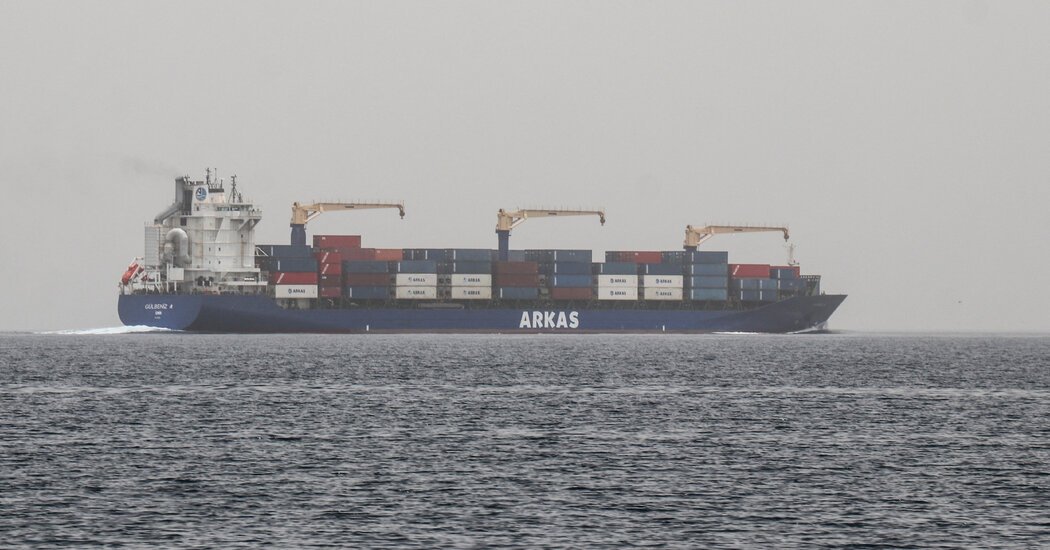
Even if Qatar’s gas production restarts, the semiconductor industry is vulnerable to disruptions in regional shipping routes. Much of the world’s energy and petrochemical exports from the Persian Gulf pass through the Strait of Hormuz, a key maritime choke point.
If shipping through this corridor is interrupted for an extended period, it could slow the movement of industrial gases and petrochemicals that chipmakers rely on. Disruptions to oil and gas exports from the region have also already pushed global energy prices higher: Brent crude, the European benchmark, is priced at $80 per barrel at the time of publication.
Energy costs are a major factor in semiconductor production. Fabrication plants run large clean rooms that need constant electricity and cooling, so chipmakers are sensitive to changes in global energy prices. Industry representatives in South Korea warned that a prolonged conflict could push energy prices higher, likely leading to higher semiconductor production costs and potentially higher chip prices.
These risks come as semiconductor supply chains are already stretched by growing demand from AI computing. Chip demand from AI data center operators has tightened supply across several electronics sectors, including smartphones, laptops, and automobiles.
A Long-Term Problem
For now, the immediate impact on chip production is unclear. Major chipmakers usually maintain a mix of suppliers and stockpile specialty gases and chemicals to help weather short-term disruptions.
But if instability in the region continues, pressure on supply chains will likely grow. A drawn-out conflict that hits energy infrastructure, export facilities, or shipping routes could slowly squeeze the global supply of materials needed for chipmaking.
This could delay plans by major technology companies to expand artificial intelligence infrastructure in the Middle East. Firms such as Amazon, Microsoft, and Nvidia have been positioning the UAE as a hub for AI computing capacity.
This story originally appeared on WIRED Middle East.