dailynewsnblog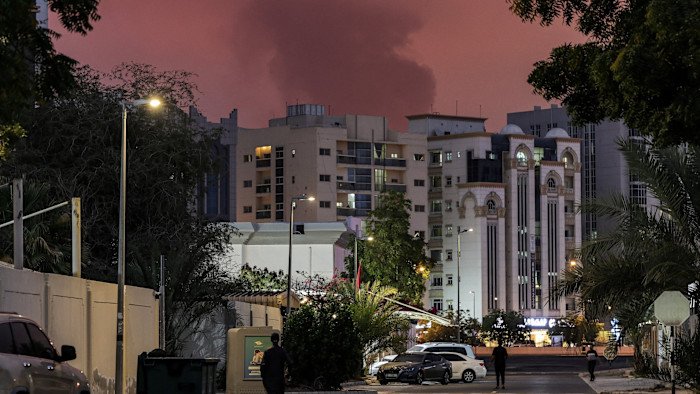
Good morning and welcome back. In today’s newsletter:
Gulf states could review overseas investments amid war
Lloyds strives to be ‘UK’s biggest fintech’
EssilorLuxottica heir seeks multibillion deal to buy out siblings
The vulnerable Gulf energy assets putting the world on edge
We begin in the Middle East, where pressure on the budgets of Gulf states could push them to review overseas investments as they weigh options to ease the financial strain caused by the US-Israeli war against Iran.
What we know: A Gulf official said the impact could spread to investment pledges to foreign states or companies, sports sponsorships, contracts with businesses and investors, or sales of holdings.
The official said three of the region’s four big economies — Saudi Arabia, the United Arab Emirates, Kuwait and Qatar — had jointly discussed the strains being felt. The person declined to name the states. Read the exclusive story.
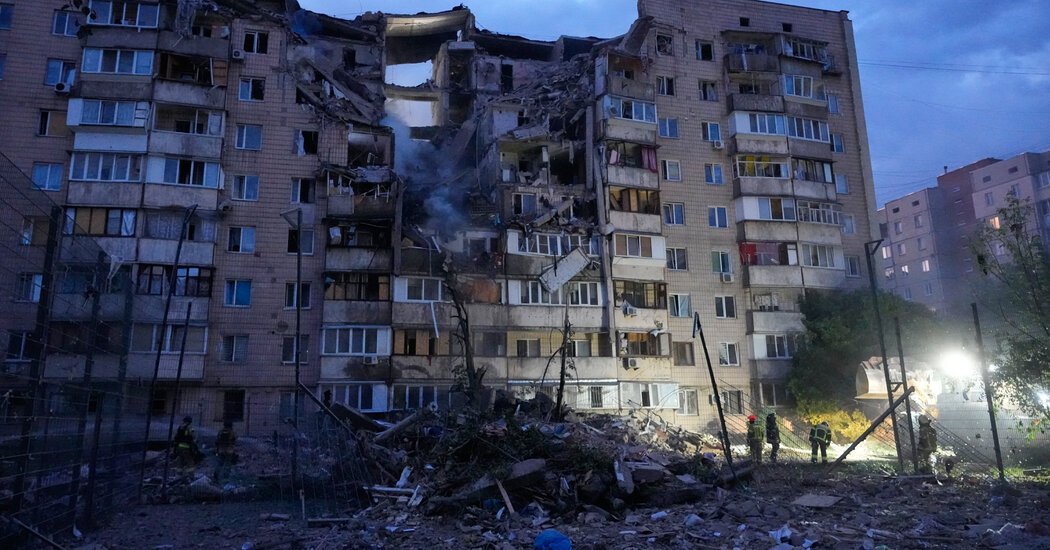
The latest: Hostilities continue to escalate as the conflict runs into its seventh day. The Israel Defense Forces said early today that it had launched another round of strikes on Iran. It also struck Hizbollah infrastructure in southern Beirut, Lebanon, where thousands have fled after the Israeli military issued a sweeping evacuation order.
Qatar’s military said it had thwarted a drone attack on the US’s largest base in the Middle East. Kuwait and Saudi Arabia also reported intercepting missile strikes.
Iran’s Revolutionary Guards and army have declared their readiness for a prolonged conflict. The announcement followed US President Donald Trump’s remarks that he must be involved in picking Iran’s supreme leader.
Market reaction: Oil fell during trading in Asia today while stock markets in the region partly extended their declines. The price of Brent crude, the international oil benchmark, fell 1 per cent to $84.59 a barrel while Japan’s benchmark Topix was flat and South Korea’s Kospi slipped 0.6 per cent.
Follow our live blog for updates.
Arms clash: The conflict has come down to a contest between US-Israeli air power and Iran’s dispersed missile and drone forces on the ground, analysts have said.
Billionaire ‘buccaneer’: George Prokopiou’s Dynacom is one of the few legal operators willing to sail the Strait of Hormuz’s dangerous waters.
AI drive at risk: Drone strikes on Amazon facilities in the United Arab Emirates and Bahrain highlight the vulnerability of cloud facilities.
Energy supply: Industry has cast doubt on Trump’s plans to insure tankers in the Gulf, complicating his efforts to curb an oil price surge in the US, where reserves are depleted.
Here’s what else we’re keeping tabs on today and over the weekend:
Economic data: The US releases employment figures for February.
Results: Lufthansa and Royal London Group report earnings.
Italy: The Milano Cortina 2026 Winter Paralympic Games officially begin with the opening ceremony in Arena di Verona.
Formula 1: The Grand Prix season begins on Sunday in Melbourne. Our Big Read explains why this year is pivotal.
UN: International Women’s Day is celebrated on Sunday.
How well did you keep up with the news this week? Take our quiz.
Five more top stories
1. Exclusive: Lloyds Banking Group will sell more customer data and automate governance checks in a bid to slash technology costs and reinvent itself as “the UK’s biggest fintech”. The overhaul also includes having a greater proportion of its workforce in tech and data roles.
2. Leonardo Maria Del Vecchio says he is nearing a deal to buy out two of his siblings from the family holding company that controls the eyewear group EssilorLuxottica, a move that would end a succession dispute and consolidate his influence over corporate Italy.
3. Exclusive: Carlyle and CVC have agreed to hand UBS a cut of their performance fees in return for the Swiss bank selling the private equity firms’ products to wealthy individuals, prompting questions about potential conflicts of interest. Read the full story.
4. European electricity prices are swinging wildly from daytime to evening as the Iran war’s disruption to gas supplies accentuates growing volatility in Europe’s power markets amid the rise of renewables.
5. US investors are increasingly asking Asian fund managers to carve out special vehicles so they can invest in the region without falling foul of American investment restrictions on Chinese technology. Find out more on so-called parallel funds.
Visual story

Iran’s use of drones to hit critical oil and gas assets across the Gulf has demonstrated the havoc it is able to wreak on energy markets and the importance the region’s infrastructure plays in global power supply.
We’re also reading . . .
Collateral damage: Chaos and instability are a feature, not a bug, of Trump’s approach to foreign policy, writes Gillian Tett.
Demographic earthquake: Experts give us their take on what shifting population patterns will mean for the global economy in the years to come.
Breakthrough voyage: An all-female crew finished the round-the-world Jules Verne Trophy in January, launching a new era for female sailors.
Chart of the day
Last year, a third of all flights between Europe and Asia passed through airports in the Gulf. This week’s hostilities have forced Dubai, Abu Dhabi and Doha to suspend regular flights, threatening the region’s status as an airline hub for the world.

Take a break from the news . . .
Has GPS destroyed the art of maps? An exhibition in the Netherlands showcases historical maps that capture a certain romance that has been lost when compared with the apps we use to make our way around cities.