dailynewsnblog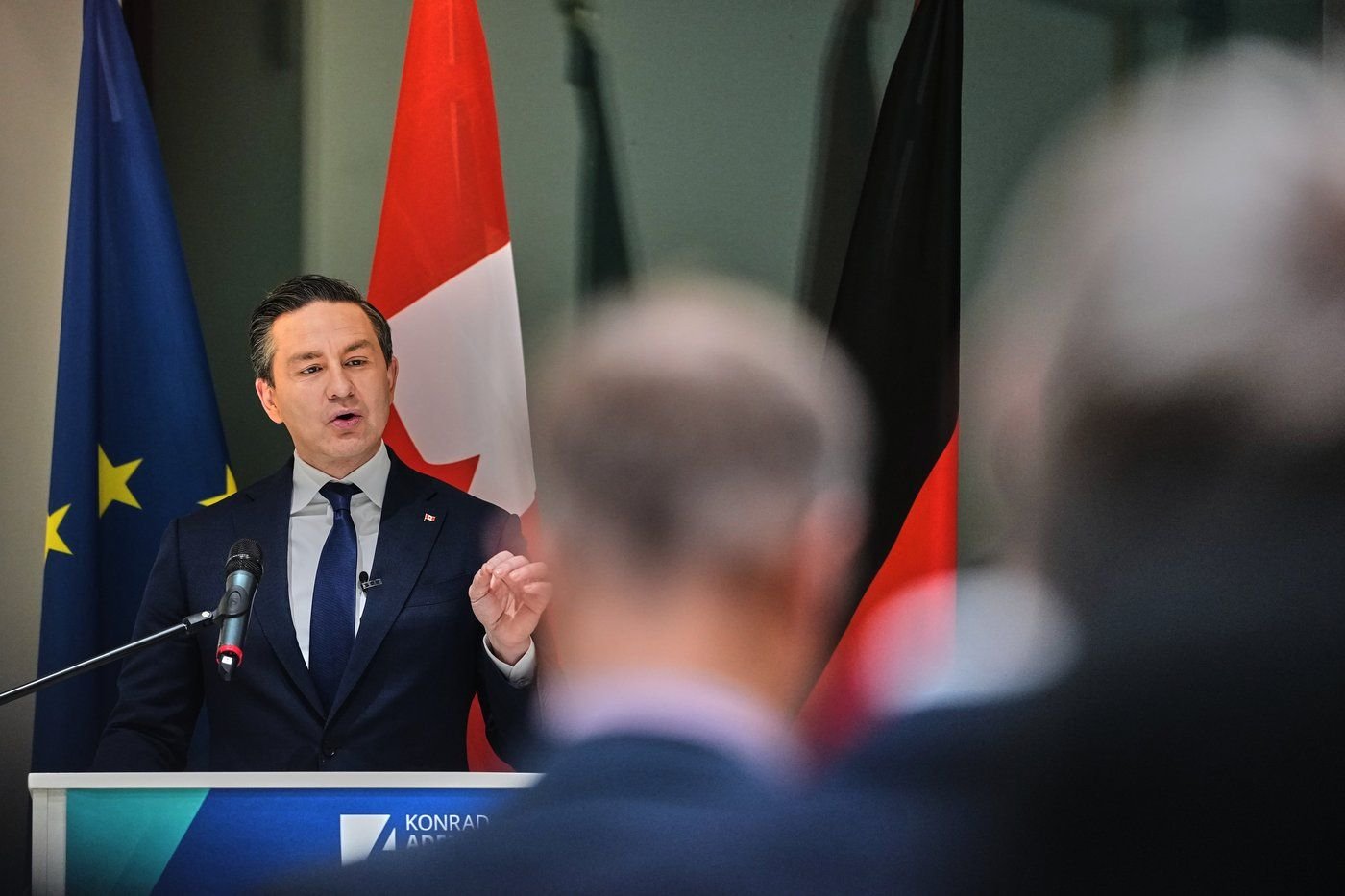
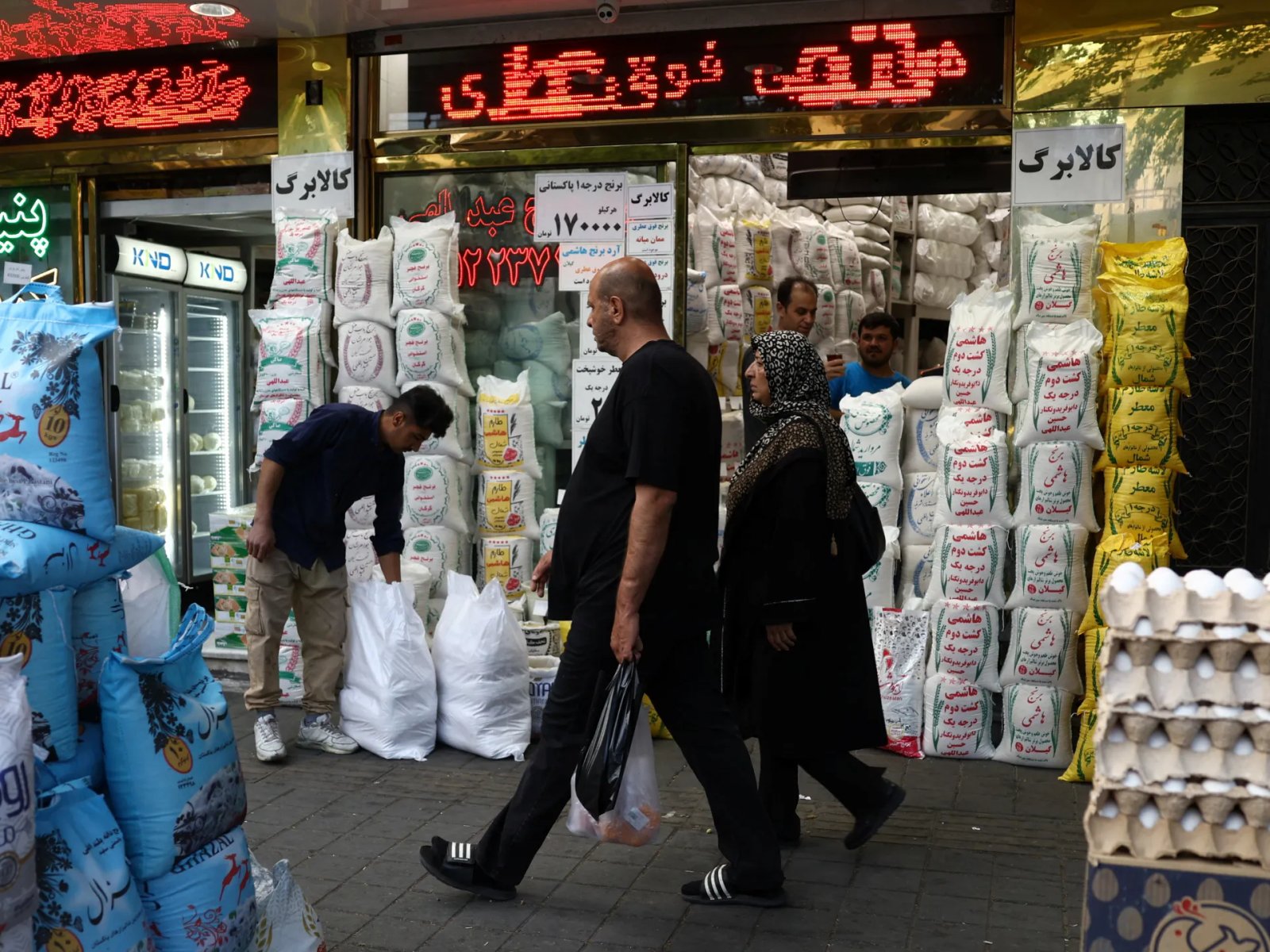
Citing an Iranian drone attack on a Qatari liquefied natural gas facility on Monday, Poilievre said the current instability in the Middle East has driven energy prices sharply higher in Europe.
Conservative Leader Pierre Poilievre on Wednesday pitched Canada to a German audience as a reliable energy supplier in a period of global uncertainty.
Poilievre was in Berlin as part of a trip to Europe that has seen him meet in recent days with business leaders and conservative counterparts in the United Kingdom. His Wednesday evening speech was given to the Konrad Adenauer Foundation, which is associated with the governing Christian Democratic Union.
Citing an Iranian drone attack on a Qatari liquefied natural gas facility on Monday, Poilievre said the current instability in the Middle East has driven energy prices sharply higher in Europe.
He said that’s the kind of hit Germany could avoid by shifting its LNG sourcing to Canada.
The Conservative leader blamed former prime minister Justin Trudeau for not making the business case for Canadian LNG when Berlin was in the market years ago, pushing Germany to rely instead on countries like Russia and Qatar.
“Free nations should not have to rely on less stable suppliers when a trusted ally sits on abundant reserves. Canada can be your supplier. We will earn that role,” he said.
Canada does not have any LNG export terminals on the East Coast.
Poilievre is not acting on behalf of Canada in any official capacity during his trip to Europe, which is fully funded by the Conservative party.
Throughout the speech, Poilievre instead made references to a future Canadian government under his leadership.
He pitched Germany on a binding natural gas supply agreement with a commitment from Canada to expedite construction of the pipelines and export terminals needed to get Canadian LNG overseas.
He also repeated a recent proposal to form a critical minerals and energy stockpile pact among allied nations to share resources in the event of an emergency or war.
“These two steps would help secure your present energy needs and create contingencies for any minerals that you might require if, God forbid, we were jointly involved in a conflict against a shared enemy,” Poilievre said.
In a speech in London on Tuesday, Poilievre also called for Canada to deepen its trade and security ties with the U.K., Australia and New Zealand.