dailynewsnblog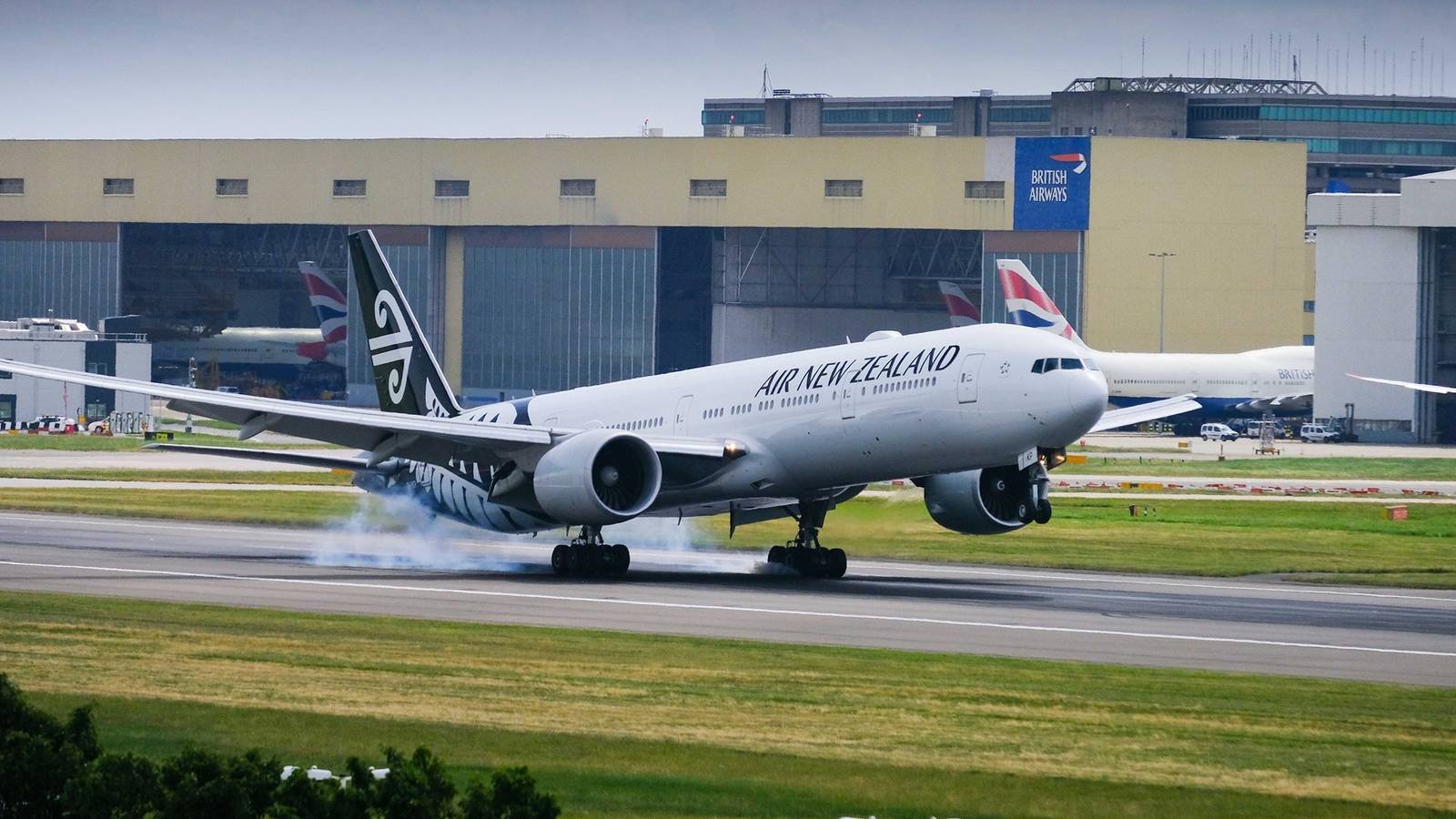
The Boeing 777-300ER has been a cornerstone of long-haul travel for airlines around the world, offering a strong balance of capacity, range, and performance. As this aircraft begins to phase out of active service over the coming years, airlines are faced with critical decisions about what will take its place. The replacement must meet or exceed the 777-300ER’s capabilities while offering improvements in efficiency, emissions, and passenger experience, which is no small task, given the 777-300ER’s dominance since its debut.
Several next-generation aircraft are competing for the role, each with distinct advantages depending on an airline’s route structure, fleet size, and strategic goals. Some prioritize maximum capacity and range to cover ultra-long-haul missions, while others offer a more balanced approach with economics or flexibility across diverse markets. Fleet renewal strategies vary, with some airlines opting for a one-to-one replacement model and others shifting to a mixed-fleet approach.
A Long-Haul Legend

Few aircraft have shaped modern long-haul aviation like the Boeing 777-300ER. Introduced in the early 2000s, it quickly became a staple of international fleets, offering a powerful mix of range, capacity, and reliability. With the ability to fly over 7,000 nautical miles and carry more than 350 passengers in a standard configuration, it gave airlines the flexibility to operate everything from transpacific to Europe to Asia routes with confidence and efficiency.
The 777-300ER’s success wasn’t only due to performance: it was also a product of its timing. Arriving as the industry sought more fuel-efficient alternatives to four-engine jets like the Boeing 747, the twin-engine 777-300ER offered a more economical solution without sacrificing reach or passenger comfort. Many airlines adopted it as their flagship, equipping it with premium cabins and using it on marquee routes.
For over two decades, it has been the backbone of long-haul operations for carriers like  Emirates, Cathay Pacific, and
  Air France. However, every aircraft has its arc. As the industry shifts toward sustainability and next-generation efficiency, the 777-300ER’s retirement is approaching.
Production has ended, and while many jets remain in service with some only a few years old, some airlines have already retired their older airframes, alongside announcing retirement plans for their aging 777-300ER fleets. With rising fuel costs, stricter emissions targets, and evolving passenger expectations, newer aircraft are stepping up to take over. Still, the legacy of the 777-300ER is secure, as its long reign has left an undeniable mark on the global skies.
Strong Specifications

Replacing the Boeing 777-300ER isn’t as simple as finding another big jet. Rather, it’s about matching a highly refined balance of performance, capacity, and economics. When Boeing introduced the 777-300ER, it set a new benchmark for what a twin-engine widebody could accomplish. With a typical three-class, nine-abreast seating capacity of up to 365 passengers and a range of around 7,370 nautical miles (13,650 km), it was capable of connecting virtually any two major cities on earth with a full passenger and cargo load.
One of the aircraft’s most defining features was its GE90-115B engines, the most powerful commercial jet engines ever built at the time. These engines gave the 777-300ER not only the thrust to carry heavy loads on long-haul routes but also the fuel efficiency that made it a more economical choice than older four-engine aircraft. The aircraft’s long, raked wings improved aerodynamics, while its reinforced landing gear allowed for the heavier maximum takeoff weights airlines demanded for intercontinental service.
|
Boeing 777-300ER Specifications |
Value |
|---|---|
|
Capacity (three-class, nine-abreast) |
365 |
|
Range |
7,370 nautical miles (13,650 km) |
|
Length |
242 feet, 4 inches (73.9 meters) |
|
Wingspan |
212 feet, 7 inches (64.8 meters) |
|
Height |
60 feet, 8 inches (18.5 meters) |
|
Engine model |
GE90‑115B |
|
Maximum Takeoff Weight (MTOW) |
775,000 lbs (351,530 kg) |
However, the 777-300ER wasn’t just about raw power: it was also about operational flexibility. Airlines could fly it to hub airports with dense passenger demand, or sometimes to more remote cities with limited service. It could carry a full load of passengers and belly cargo, making it financially attractive even on thinner routes. For a replacement to succeed, it must meet or exceed this careful combination of size, range, fuel efficiency, and versatility, which is an engineering challenge that few aircraft can match.
The Race For A Replacement

As the Boeing 777-300ER approaches the end of its production and service life, airlines are eyeing the next generation of widebody aircraft to fill its formidable shoes. The two primary contenders leading the race are Boeing’s own 777X family, specifically the 777-9, which presents a logical, almost like-for-like swap, and the already successful and proven Airbus A350 family. Both are designed to offer greater fuel efficiency, longer range, and improved passenger comfort, but each takes a slightly different approach to the long-haul market.
The Boeing 777-9, often touted as the direct successor to the 777-300ER, builds on the original’s strengths with new General Electric GE9X engines, advanced composite wings with folding wingtips, and increased passenger capacity. It promises a similar or better range while cutting fuel burn by around 12%. However, Boeing has faced delays and certification hurdles, causing some airlines to hesitate in committing to large or, in some cases, any orders.
On the other hand, the Airbus A350-1000 offers a highly efficient, lightweight design with carbon fiber composite construction and Rolls-Royce Trent XWB engines. It’s praised for its quiet cabin, long-range capabilities, and operational flexibility, though it carries slightly fewer passengers than the 777-9 in most configurations. The A350 has already been adopted by numerous airlines eager to replace aging 777-300ERs with a proven and readily available platform.
One Size Doesn’t Necessarily Fit All

The era of relying on a single ‘workhorse’ aircraft for long-haul routes is evolving. While the Boeing 777-300ER was often the go-to solution for many airlines thanks to its size and range, today’s carriers are taking a more nuanced approach to fleet planning. Rather than replacing the 777-300ER with just one aircraft model, many are opting for a mix of widebodies that can be tailored to different route demands and market conditions.
Some airlines are choosing to combine larger, ultra-long-haul aircraft like the 777X or A350 with smaller widebodies such as the Airbus A330-900 or Boeing 787. This strategy offers more flexibility, allowing carriers to match aircraft size to passenger demand and optimize fuel efficiency. For example, routes with less traffic may be better served by smaller jets, while peak routes continue to rely on high-capacity widebodies. This mix also helps airlines reduce the risk associated with delays or issues in a single aircraft program.
Additionally, environmental and economic pressures are driving this diversification. With stricter emissions regulations and volatile fuel prices, airlines want to avoid overcapacity and maximize load factors. A varied fleet allows them to scale capacity up or down without operating half-empty widebodies. As a result, the legacy one-size-fits-all mindset that once dominated the 777-300ER era is giving way to smarter, more flexible fleet strategies that strike a balance between efficiency, passenger comfort, and route economics.
The Next Chapter In The Widebody World

The battle to replace the Boeing 777-300ER is far from over, as it’s evolving into one of the most fascinating rivalries in modern aviation. Boeing and Airbus are locked in a high-stakes contest to dominate the skies with their newest widebody jets, and airlines are the ultimate winners, gaining access to advanced technology, better fuel efficiency, and improved passenger comfort. The competition between the 777X and the A350 will shape airline fleets and global travel patterns for decades.
Both manufacturers are pushing the boundaries with cutting-edge materials, engine technologies, and aerodynamics. Boeing’s 777X brings folding wingtips, a wider cabin, and new GE9X engines designed for maximum efficiency. Airbus counters with the A350’s carbon-fiber fuselage and an ultra-quiet, spacious cabin that passengers love. Airlines must weigh these differences against operational costs and route requirements, making the choice a complex puzzle.
|
Features |
Airbus A350 |
Boeing 777X |
|---|---|---|
|
Materials |
Over 50% CFRP, lightweight composites |
Advanced composites and aluminum alloys |
|
Wing Design |
Curved wings with adaptive winglets |
Raked wingtips with a folding mechanism |
|
Engine |
Rolls-Royce Trent XWB |
GE9X engines (the largest commercial engines) |
|
Cabin Width |
18 feet, 5 inches (5.61m) |
19 feet, 7 inches (5.97 meters) |
|
Cabin Altitude |
6,000 feet |
6,000 feet |
|
Fuel Efficiency |
25% reduction compared to previous models |
10–12% improvement over 777-300ER |
Looking ahead, widebody warfare is likely to lead to diverse fleet mixes rather than a clear winner. Some airlines will bet heavily on Boeing’s 777X, others on Airbus’s A350. Some may even look to adopt both to maximize flexibility. With environmental pressures mounting and passenger expectations rising, the next generation of widebodies will not only replace the 777-300ER, but they will also define how we fly long-haul for years to come.
The Next Generation

The  Boeing 777-300ER has long been a superstar of the skies. With many still in service, it is clear we will continue to see this aircraft operate for years to come. However, as aviation moves into a new era focused on sustainability and efficiency, its time at the top is winding down. Airlines around the world are now looking for the next big thing to carry the torch.
The next generation of long-haul aircraft brings new advancements, from cutting-edge engines to innovative materials, as airlines carefully weigh how these aircraft fit into evolving fleet strategies and route demands. The decision is more than just about size; it’s about long-term efficiency, environmental impact, and operational flexibility.
Ultimately, the replacement of the 777-300ER marks a new chapter in widebody aviation, driven by innovation, competition, and changing market needs. Whether it’s one aircraft or a blend of several, the future promises cleaner, more efficient, and more comfortable long-haul flying, carrying the legacy of the 777-300ER well into the skies of tomorrow.