dailynewsnblog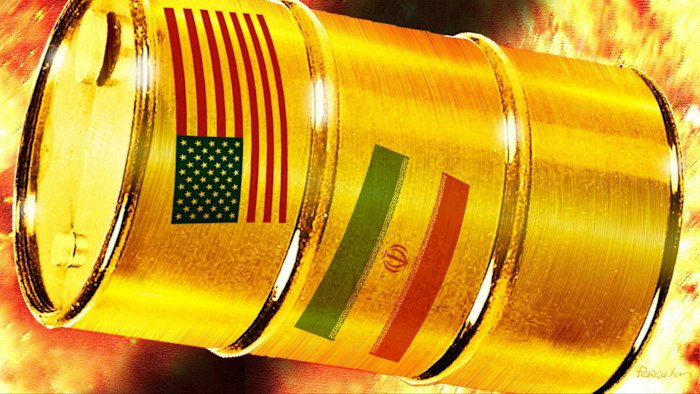
Unlock the Editor’s Digest for free
Roula Khalaf, Editor of the FT, selects her favourite stories in this weekly newsletter.
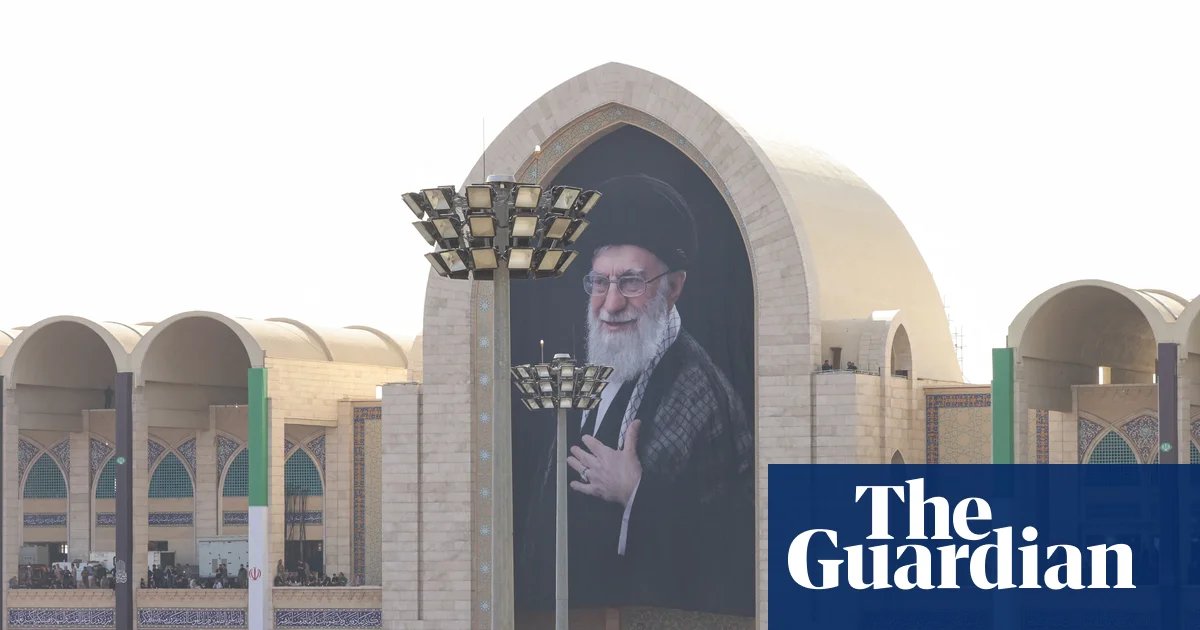
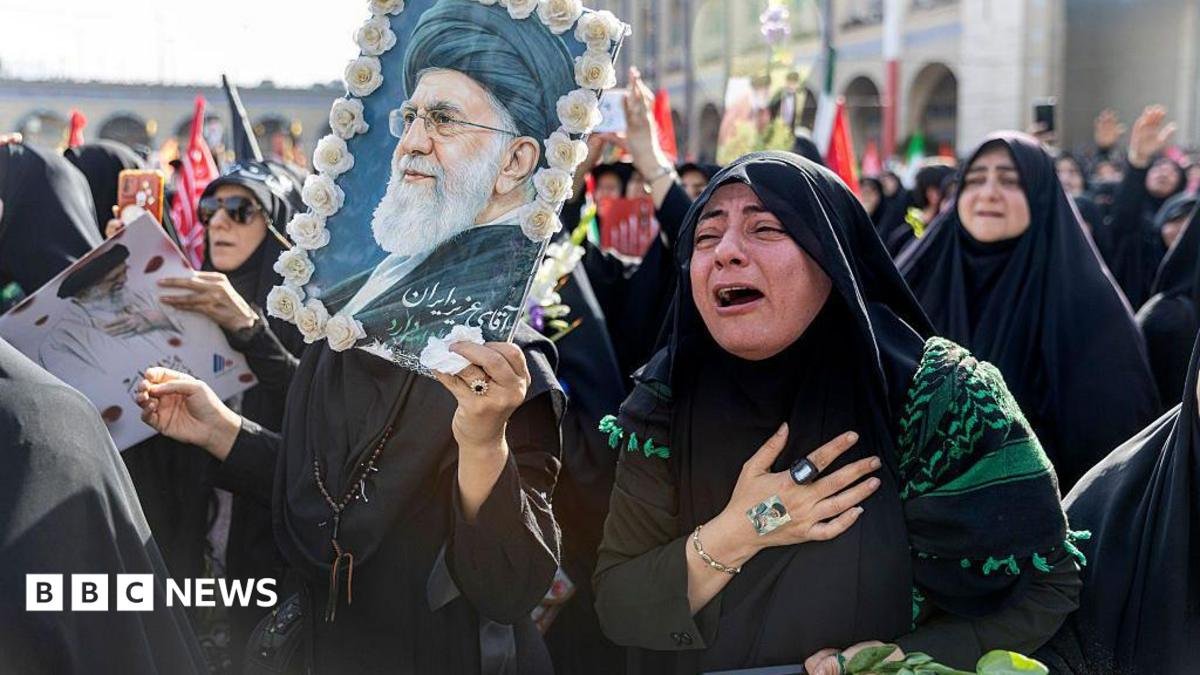
“Sic semper tyrannis” (thus always to tyrants). This well-known tag evokes the proper fate of despots. That Ali Khamenei was a tyrant and his theocratic regime tyrannical cannot be doubted. There is little doubt that it killed thousands of protesters in early January. Decent people should welcome its decapitation. Yet, before doing so, one should also ask: what will come next?
Markets have, as always, tried to address this question from the narrow, albeit important, perspective of investors and traders. So far, the reaction has been muted. By March 3, the price of Brent crude had risen to $80, 9 per cent above its level just before the launch of “Operation Epic Fury” on February 27. Neither the level nor the change is striking by the standards of historic shocks to oil prices: in real terms, oil was 6 per cent above its average since 1972 and far below levels reached during the bigger oil price shocks.
The rise in gas prices was much sharper: spot prices for Dutch TTF gas jumped 40 per cent on fears over Qatari exports of liquefied natural gas. Markets did display concern over the future of inflation, with gold prices up and bond prices down. But none of this is surprising or dramatic. The implicit assumption is that the fury will be brief, with few if any long-term ramifications. (See charts.)

As the economist Paul Krugman notes, this optimism can be supported, at least if one is comparing the likely economic outcomes with those of previous oil shocks, by the 70 per cent fall in the oil intensity of US GDP since the late 1970s. According to commentator Simon Nixon, the US is sitting on a strategic reserve of 425mn barrels, up from 347mn in late 2023. Developed world commercial stocks have grown by an additional 140mn barrels over the same period. Meanwhile, “China . . . appears to have added more than 700mn barrels to its total inventory, which now stands closer to 2bn barrels than the 1.2bn barrels often estimated”.
Nevertheless, what is happening is precisely the most disruptive scenario I envisaged when the Gaza war began in 2023, namely a war that affects the entire Gulf. The region is much the world’s most important energy supplier. According to the 2025 Statistical Review of World Energy, it contains 48 per cent of global proven oil reserves and produced 31 per cent of the world’s oil in 2024. It also contains 40 per cent of global reserves of natural gas and supplied 24 per cent of all LNG exports in 2024. Moreover, according to the US Energy Information Administration, a fifth of world oil supply passes through the Strait of Hormuz. This is the chokepoint of world energy supplies. A prolonged war that disrupts exports from the Gulf or, worse, damages its supply capacity could be hugely costly.

The US administration must be aware of this. We may never know why it started the war. But when it insists that it wants a short one, it might indeed be telling the truth. Whether this will be the outcome is another matter: the US hardly aimed to fight a 20-year war in Afghanistan that it so humiliatingly lost!
A long war might be used to justify declaration of a state of emergency within the US. But there is a far more attractive and plausible proposition for Donald Trump. This is “the Venezuelan option”: go in; reach a deal; get out.
Alas, there is little likelihood of any swift transition to democracy. Few of the conditions for that now exist. “Petro-states” are almost never democracies because their revenues come from resource rents, not the economic efforts of the people. Iran has been — and is likely to remain — no exception to this sad rule.

Moreover, Trump cares not a jot about democracy. A collapse into chaos is possible. But more likely still is that new “strongmen” emerge with roots in the Revolutionary Guards. Trump then may seek a deal: we will leave you in power if you stop threatening your neighbours and let us share in the oil. Iran has 9 per cent of global oil reserves but only 5 per cent of oil output: the upside is clear.
Will there be takers among Iran’s new rulers, after this brutal lesson in US (and Israeli) power? I would bet there will. If such a deal is reached, the Gulf could return to stability, indeed far more stability than in the decades since the Iranian revolution. Moreover, any such outcome could also reduce the most dangerous possibility of any state collapse, of which political scientist Stephen Holmes warns in Project Syndicate — with Iran’s nuclear material, nuclear scientists and engineers let loose upon the world. A stable Iran that is not at war with its neighbours would surely be better than that.

Moreover, this outcome could have other benefits for the US: its position in the Gulf would be reinforced at the expense of China and the EU, the two great economic powers most dependent on that region; oil prices would return to normal; and the world economy would stabilise after a brief disruption.
Am I suggesting that anything as coherent as this was in Trump’s mind when he decided to go ahead? No. Am I suggesting that this is bound to happen? Again, no. It is possible that Iran will remain highly unstable for a long time. Alternatively, the war might just go on, causing spikes in energy price and inflation at a time of financial fragility.
Yet, when considering this administration, the best bet is the most cynical. Whether Trump planned it or not, he might have created the conditions for a deal with those who control Iran’s levers of power. Such a deal would be acceptable to its neighbours, who do not want a democratic Iran. US power would have been demonstrated. Europe and China would have been discomforted. Iran’s rulers (and the Trump family) would be richer. What would be not to like about all of this, at least for Trump?
martin.wolf@ft.com
Follow Martin Wolf with myFT and on X