dailynewsnblog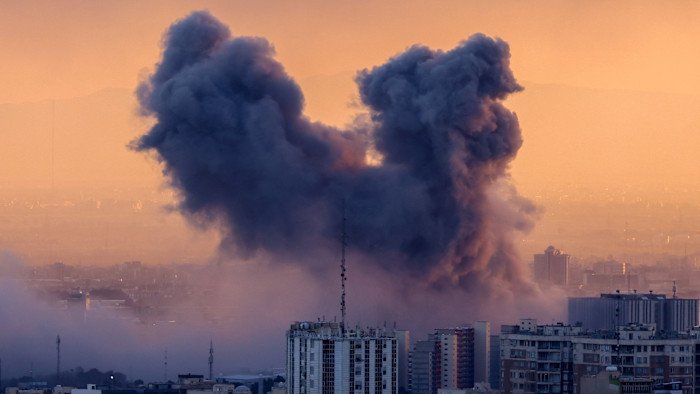
Good morning and welcome back to FirstFT. In today’s newsletter:
Israel launches wave of ‘extensive strikes’ against Iran
Middle East conflict disrupts gold and silver flows
Energy bill surge looms over Britain
We start with the conflict in the Middle East, where Israel has carried out a new wave of “extensive strikes” against Iranian launch sites, defence systems and infrastructure, the Israel Defense Forces said.
What to know: The Israeli military also said it had identified missiles fired from Iran overnight and was moving to intercept them. Saudi Arabia’s defence ministry said that it had intercepted and destroyed two cruise missiles, and destroyed nine drones that had entered the kingdom’s airspace.
In Washington, Donald Trump said the US military could begin escorting oil and gas tankers transiting the Gulf “if necessary”, but experts cautioned the US president’s plan was unlikely to happen immediately. It was also unclear how quickly the US could provide risk insurance and guarantees for tankers, which Trump has promised.
Markets: Oil and gold prices rose while Asian equities declined for a third consecutive day. South Korea halted trading for 20 minutes after equities fell more than 8 per cent. US stock markets ended the day slightly lower, with the S&P 500 and Nasdaq both down about 1 per cent. The dollar rose 0.2 per cent against key trading partners.
Follow our live blog for the latest developments and read more coverage below:
Last stand?: Observers see Hizbollah’s decision to support its backer Tehran in its darkest hour as a battle for the group’s survival.
‘Tanker war’: The attacks in the Gulf echo the 1980s conflict. Here are the weapons Tehran can use against commercial shipping.
Food imports: Parts of the region are being cut off from vital food supplies as vessels avoid the Strait of Hormuz, raising the risk of shortages and adding pressure to already high food prices in Iran.
Tehran dispatch: The scope of US and Israeli attacks has alarmed even some of those Iranians who might otherwise have supported attacks on a regime they loathe.
Here’s what else we’re keeping tabs on today:
EU: Leaders gather to discuss the European Commission’s “membership-lite” proposal for Ukraine.
Economic data: Purchasing managers’ index figures are due for the Eurozone, France, Germany, Italy, UK, US, Japan and China, and the EU reports on January unemployment. The US Federal Reserve issues its latest Beige Book.
Company results: Adidas, Broadcom, Continental, Mercedes-Benz and Scor announce earnings. See the Week Ahead for the full list.
Chinese politics: China’s top political advisory body, the Chinese People’s Political Consultative Conference, gathers ahead of the annual session of the National People’s Congress, which begins tomorrow.
FT chief foreign affairs columnist Gideon Rachman will be answering readers’ questions today on the US-led air strikes against Iran, the White House’s policy in the region and more broadly. Submit your questions here.
Five more top stories
1. Sir Keir Starmer’s plan to boost the UK economy by unwinding the Brexit deal is “languishing” and “suffering from a lack of direction, definition and drive”, a cross-party group of MPs has warned. George Parker reports on the House of Commons foreign affairs committee’s stinging verdict on the UK-EU reset.
Growth threat: Britain’s economy could face a “very significant” hit from the war in Iran, warned the Office for Budget Responsibility, even as Rachel Reeves promised “stability” in her Spring Statement.
‘Drive-by’ dysfunction: Lorries arriving with potentially unsafe meat imports are skipping inspection, highlighting a major flaw in the UK’s post-Brexit border regime.
2. Global flows of gold and silver are suffering major disruption as war in the Middle East halts most air traffic into and out of Dubai, a key shipping hub for the precious metals, in a move that traders say could trigger further volatility in prices that have already suffered sharp swings this year.
3. Investors are dumping publicly traded private credit funds as they take losses on bad loans and concerns intensify that AI will wreak havoc on the software companies they have financed. The vehicles, known as business development companies, are trading at 82 per cent of their asset value, their biggest discount since late 2022 and a sign that investors believe the funds will face further pain.
4. The United Arab Emirates has sought to project a return to normality after days of Iranian missile and drone attacks, resuming flights and urging residents to get on with their lives as the Gulf’s pre-eminent commercial and tourism hub adjusts to the conflict with the Islamic republic.
5. Exclusive: Frozen food retailer Iceland has abandoned its decade-long trademark dispute with Iceland, promising a “rapprochement discount” for shoppers in Reykjavik. Read the full story on the supermarket group’s next moves after its third legal loss.
The Big Read

Formula 1 has new rules, new teams and a new US broadcaster in Apple. Will this pivot be a recipe for further growth?
We’re also reading . . .
UK energy: Britain faces another price shock as a result of the disruption in global gas supplies caused by the crisis in the Middle East.
China-Russia ties: Tensions in the Gulf are set to push Beijing closer to Moscow as it confronts the loss of cheap Iranian oil and energy disruption.
CNN unease: The network is “not a happy place” as staff fret about a future under leadership with ties to Trump, after Paramount won the contest for Warner Bros Discovery.
Chart of the day
A fifth of world oil supply passes through the Strait of Hormuz, the chokepoint of global energy supplies. A prolonged war that disrupts exports from the Gulf or damages its supply capacity could be hugely costly, writes Martin Wolf.

Take a break from the news . . .
An ambitious exhibition in Ghent shines a spotlight on women masters of the Golden Age — artists ripe for rediscovery centuries after being eclipsed by their male counterparts.