dailynewsnblog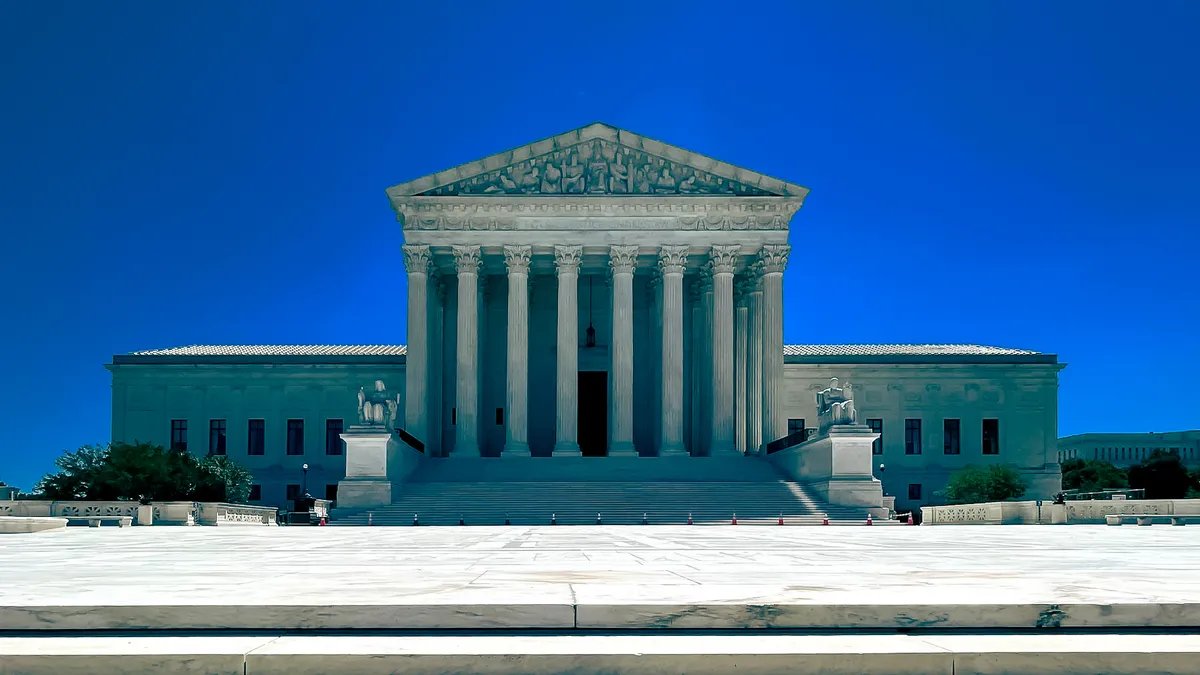
A legal battle over AI copyright that has gone on for more than a decade may have reached its end, with the US Supreme Court declining to hear a case involving AI-generated visual art.
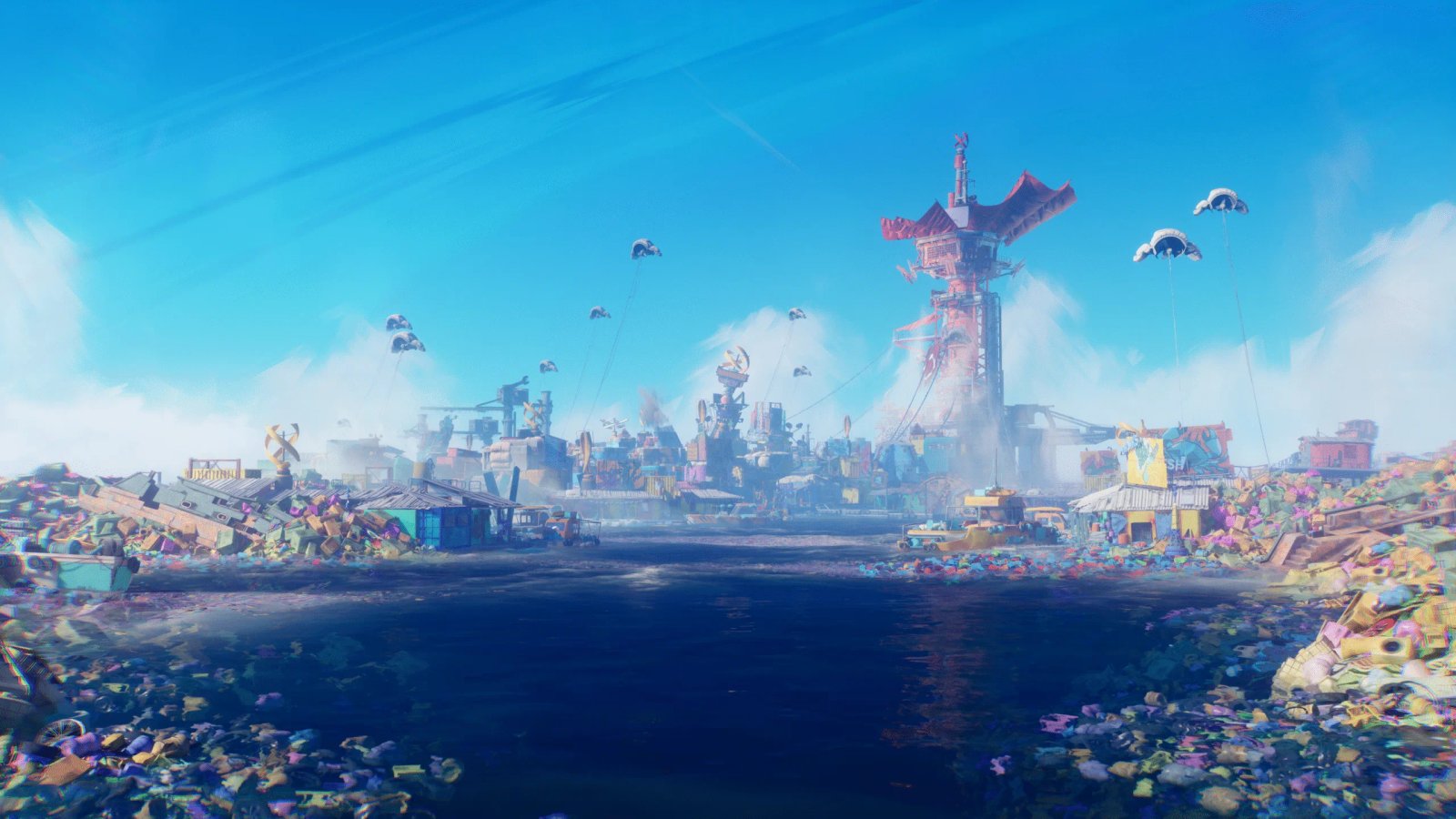
The subject of the case is an image created by computer scientist Stephen Thaler in 2012, titled “A Recent Entrance to Paradise,” using an AI tool he also created, DABUS. Thaler applied for a copyright for his visual art in 2018, but the application was eventually rejected by the US Copyright Office on the grounds that creative works must have human authorship to be eligible. A district court later upheld the decision.
Thaler’s legal team argued that because he created the system that generated the artwork, he is, in effect, its author.
“Other countries, like China and the United Kingdom, already permit copyright protection for AI-generated works. But the Copyright Office’s reliance on its own nonstatutory requirements have led to an improper cabining of United States copyright law in contradiction of this Court’s precedent that copyright law should accommodate technological progress,” the filing alleges.
“The Copyright Office believes the Supreme Court reached the correct result, confirming that human authorship is required for copyright,” a spokesperson said.
In an email to CNET, Thaler says that although the court declined to hear his appeal, “I see this moment as a philosophical milestone rather than a defeat.”
While he’s unsure if legal action will continue, Thaler says he’s still certain that the law on copyright, as written, is intended to exclude nonhuman inventors.
“By bringing DABUS into the legal system, I confronted a question long confined to theory: whether invention and creativity must remain tied to humans or whether autonomous computational processes could genuinely originate ideas,” Thaler says.
He previously alleged to the court that the Copyright Office’s decision would cause a negative impact on AI development and its use by creative industries in the important nascent years of the technology’s development.
This AI-designed image was created in 2012 using a tool called DABUS, developed by computer scientist Stephen Thaler. The artwork is the subject of a copyright battle that the US Supreme Court declined to hear.
He warns that the Copyright Office’s current rules could create a “perfect storm” of low-quality AI-generated content that will continue to flood the internet and a wave of lawsuits from humans claiming ownership over work they didn’t create.
“The law is lagging behind what technology can already do,” Thaler says. “The court addressed what the statute currently allows. It did not address what technology has already achieved.”