dailynewsnblog
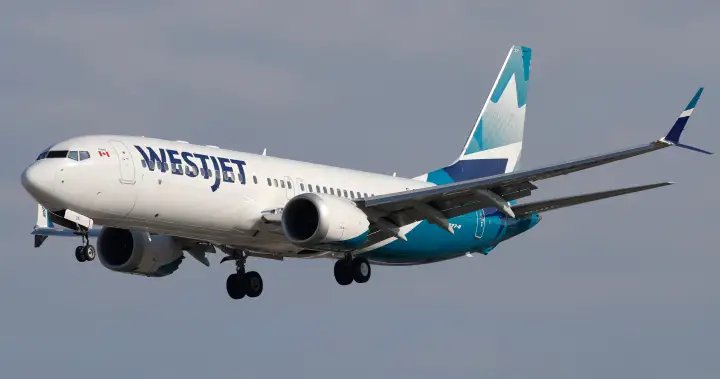
The NCAA sent a memo to its Division I schools on Feb. 24, cautioning against the possibility that the upcoming men’s and women’s basketball tournaments could see some travel struggles due to myriad factors in play across the United States.
The memo, provided to CBS Sports by the NCAA on Monday, has been sent in similar form in years past, but 2026 is providing a different challenge.
“Nationwide, significantly fewer charter aircraft are available due to several factors outside of NCAA control,” the organization said in a statement.
A contributor factor to the potential travel stress: the ongoing partial government shutdown and operational aviation issues for large private aircraft, which have emerged as a result of the Department of Homeland Security and U.S. Immigration and Customs Enforcement collaborating to use private airplanes to deport immigrants at the behest of President Donald Trump.
“The logistical challenge of moving almost all participating teams for both tournaments within 12-72 hours beginning (Selection) Sunday night is compounded by the busy spring break travel season, the national shortage of charter aircraft nationwide and the potential TSA impact of the partial government shutdown,” an NCAA spokesperson wrote. “While the NCAA assured all participating teams they will get to where they need to go safely, the NCAA also advised all teams that extreme flexibility — especially the first week of the championships — will be necessary.”
The NCAA pays for private aircrafts for all NCAA Tournament games for teams more than 400 miles away from their first-weekend sites for the men’s and women’s tournaments. Schools also have the option to procure (but pay for) private air travel on their own behalf if they so choose, but in this instance the schools could run into the same problem if they don’t rely on the NCAA to arrange their flights.
For the first weekend, all teams less than 400 miles away from their opening weekend sites are taken by charter buses. For the regionals (Sweet 16 and Elite Eight), the radius shrinks to 350 miles or fewer for bus trips.
Two 68-team tournaments being held in close proximity to each other on the calendar lends itself to huge structural travel demands. The NCAA coordinates with schools and travel companies — quite literally by the minute — as soon as the March Madness brackets are released. Schools have until this Friday to send in their detailed manifests for their travel parties, lest they incur fines for being late.
The two tournaments are the most complicated and logistically challenging operations the NCAA takes on every year, and a big part of the endeavor is organizing safe and smooth flights for dozens of schools for seven consecutive days. “We understand these requests will have an impact on you,” the NCAA’s memo reads, and later states, “Adjustments to the realities of the current travel marketplace must be made, while at the same time providing the best possible travel experience for the participating teams.
“Institutions could expect [to see] their travel impacted in the following ways: Later confirmation of charter departure times when traveling to/from tournament sites; Use of a wide range of aircraft with multiple seating configurations and amenities; Different aircraft for in-bound and out-bound flights; Need for earlier submission of final passenger and equipment manifest; Increased security measures from the regular season; Payload restrictions and weight limitations; In-flight catering and coordination; Wi-Fi capabilities not guaranteed; Need for fuel stops or use of alternative airports; and Adjustment of departure dates and times.”
There have been sporadic travel issues in the past during March, though for the most part the NCAA has a very good track record a coordinating dozens of flights with minimal obstructions. The UConn men’s team infamously ran into a plane delay on its way to the 2024 Final Four in Phoenix, though that was due to circumstances outside of the NCAA’s control.
Travel worries being raised this year under these circumstances do land at an interesting time, though. The NCAA has been discussing for years whether or not to expand its men’s and women’s basketball tournaments. The choice is now between staying at 68 or expanding to 76 for both brackets. Sources previously told CBS Sports that the taxing logistical concerns about assuring and procuring private air travel for as many as 16 more teams for the opening games of the men’s and women’s tournaments has been a contributing factor against the idea of tournament expansion.
Whether or not plane travel will be a reason that prevents March Madness from expanding remains to be seen. But if you can’t fly the teams to the sites in an orderly fashion, you’ve got a huge problem.
Dan Gavitt, who is in charge of the NCAA Tournament, told select media assembled in Indianapolis in February that the selection committee was pausing all talks on NCAA Tournament expansion until mid-April at the earliest.