dailynewsnblog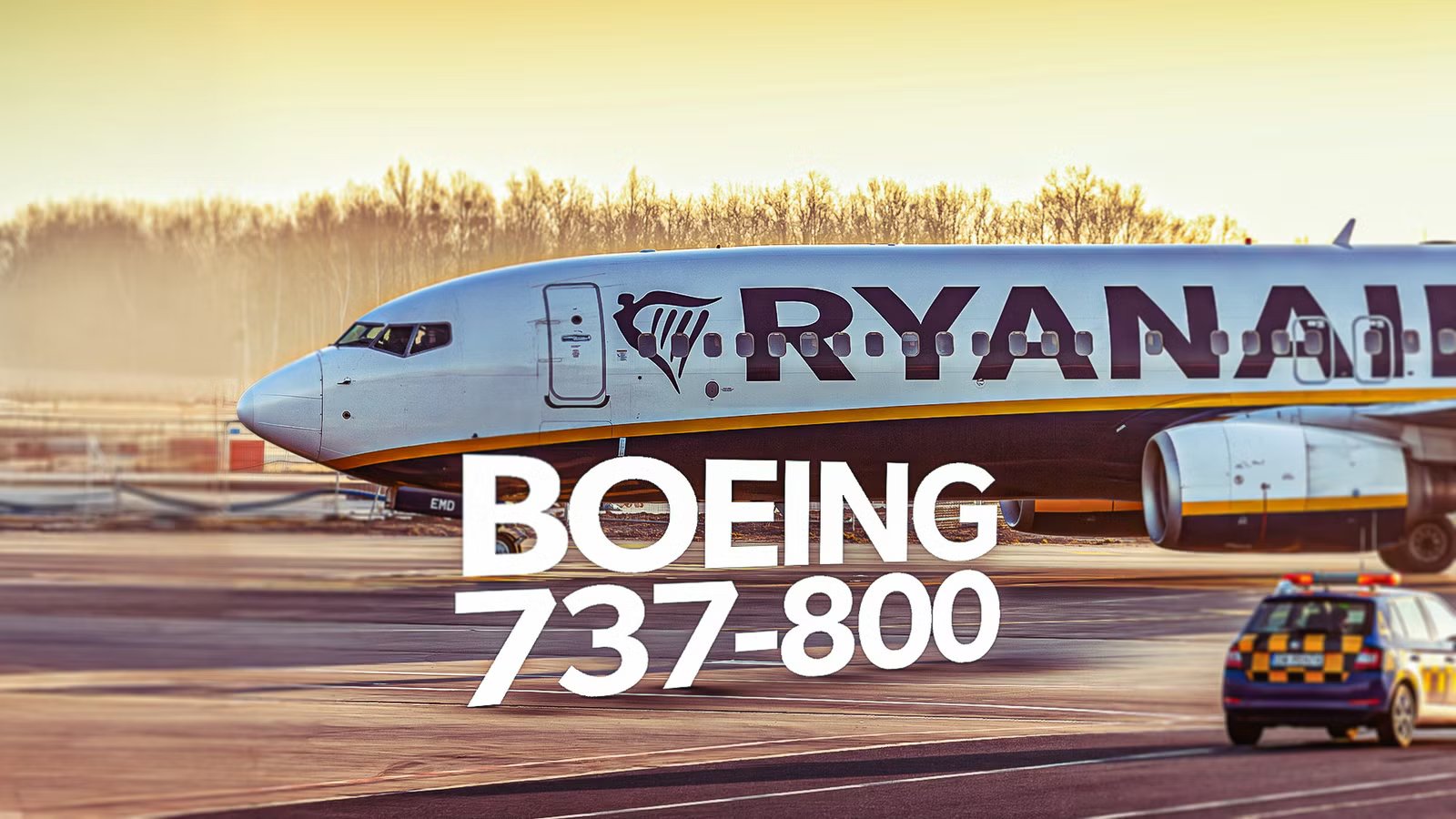
Ryanair has defended its decision to leave half a planeload of passengers behind on a Spanish island, placing the blame on airport and border control authorities. With scores of passengers held up by long passport lines, Ryanair did not wait around and instead removed their bags from the aircraft and took off without them.
The flight — from Lanzarote (ACE) to Bristol International Airport (BRS) on Wednesday, February 25 — was already over an hour late, eventually departing for the UK with only half of its passengers onboard. Lanzarote Airport has a history of border control delays, with the airport often struggling to handle its many non-EU services, particularly from the UK.
Ryanair Leaves Half Its Passengers Behind In Lanzarote

As reported by the Express, the ultra-low-cost carrier has provoked outrage after leaving behind 89 passengers ticketed to fly with the carrier from Lanzarote to Bristol. The incident occurred on Wednesday as almost 180 passengers were booked on Flight FR4756, which was scheduled to depart Lanzarote at 3:15 PM local time using one of the airline’s Boeing 737-800 aircraft. However, Lanzarote Airport was experiencing significant bottlenecks in passport control, leading to hours-long queues for passengers traveling outside the Schengen Area.
Date | Wednesday, 25 February, 2026 |
Flight | FR4756 |
Aircraft | Boeing 737-800 |
Route | Lanzarote (ACE) to Bristol (BRS) |
Scheduled Departure | 3:15 PM |
Actual Departure | 4:28 PM |
Although the flight would not take off until almost 4:30 PM, Ryanair eventually closed its boarding gate with just half of its passengers onboard, leaving a total of 89 passengers unable to board. The airline also unloaded the checked bags of all the missing passengers, a process which reportedly took almost an hour. The airline has confirmed that 90 passengers were onboard the flight, with the remainder not arriving at the boarding gate in time. A Ryanair spokesperson stated,
“Due to passport control delays at Lanzarote Airport, a number of passengers missed this flight from Lanzarote to Bristol. Should these passengers have presented at the boarding gate desk before it closed, they would have boarded this flight alongside the 90 passengers who did present at the gate on time.”
Is Ryanair’s Decision Justified?

Although timeliness in the commercial aviation industry can be a volatile thing, airlines strive to uphold their schedules and keep delays to a minimum. Ryanair, in particular, is known for its tight turnaround times, with the carrier aiming for a 25-minute window to deplane, clean, and then board each aircraft for the next flight. Waiting around for late passengers can have a significant knock-on effect on an airline’s network, not to mention other possible factors at play, such as the crew’s maximum duty allowance.
Ryanair is certainly within its rights legally to refuse boarding to passengers who have missed the last boarding call. The gridlock at Lanzarote Airport’s border control is also a factor outside its control, and one the airline feels it does not need to be penalized for. It isn’t clear how long the passengers who were refused boarding were left waiting, or if they had to stay overnight before flying out the next day.
Although the carrier has a proud track record of leaning into controversy, the decision to leave half a planeload of passengers behind will not go down well with its customer base. Ryanair recently implemented a major shift in its boarding pass policy by going paperless, meaning travelers can only check in through the airline’s app.

€3,230 Fine: Why Ryanair Continues To Punish Unruly Passengers
Ryanair has highlighted several such cases throughout 2025, including one where it claimed €15,000 ($16,818) in civil proceedings.
Border Control Delays At Lanzarote

Lanzarote Airport is the third-busiest airport serving the Canary Islands, handling over seven million passengers each year. The vast majority of its busiest routes are from the UK, with easyJet, Jet2, Ryanair and TUI ranking as the airport’s busiest carriers.
Since the UK’s exit from the European Union, arrivals and departures are processed in the non-Schengen lanes, which can become overwhelmed by capacity at peak periods. One notable gridlock last year saw 17 non-EU flights arrive in close succession at the airport, which has also faced criticism for huge bus and taxi queues.