dailynewsnblog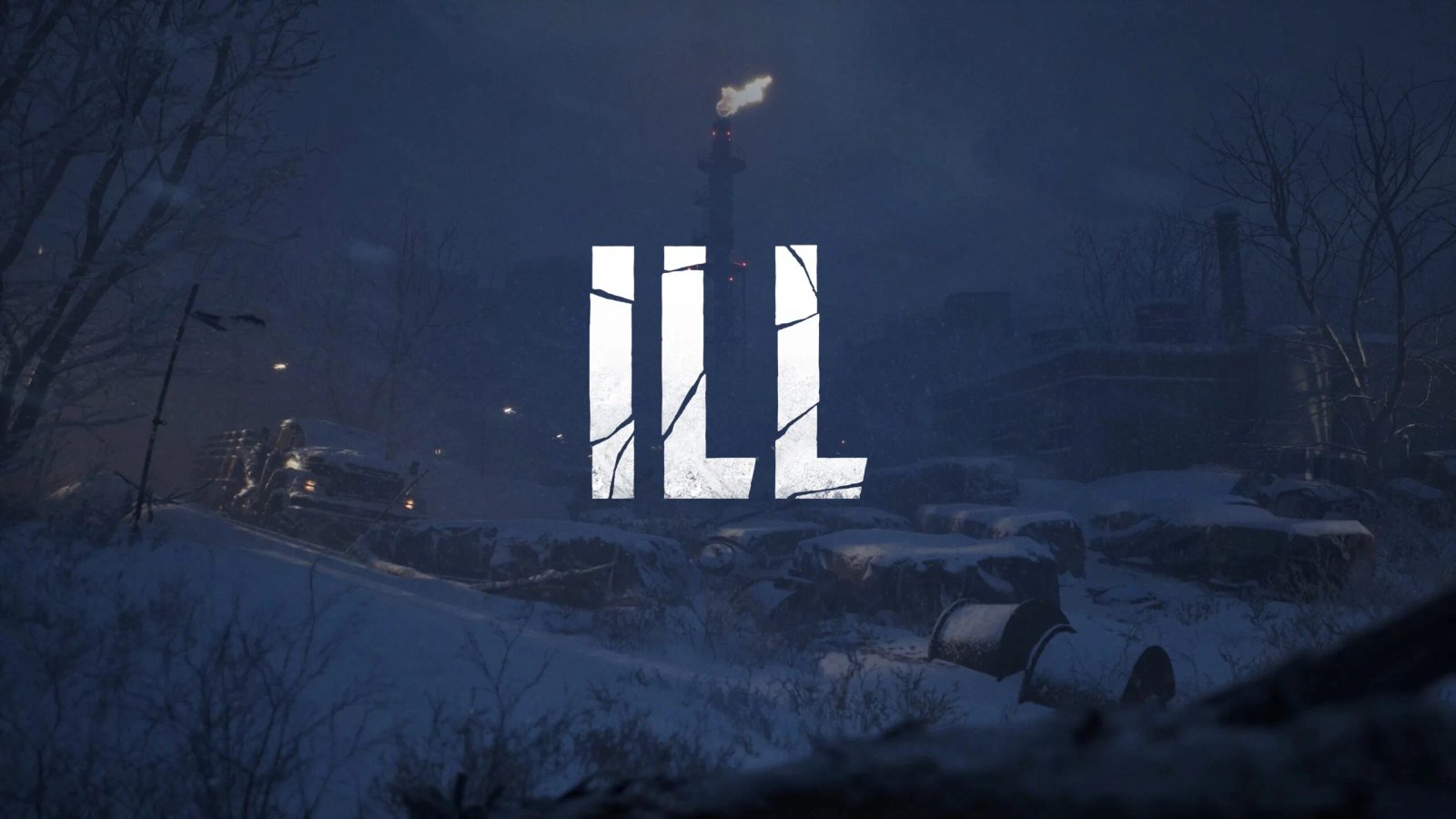
ILL is a first-person action-horror game coming to PS5 that aims to deliver relentless terror, both when the player is in full control and during the game’s motion-captured cutscenes. I’m Max Verehin, Co-founder of Team Clout, and I’m honored to give the PlayStation community a behind-the-scenes look at the work that goes into creating the cutscenes that complement the game’s immersive, horrific gameplay.
This challenging new phase of development has been intense and unpredictable, but not entirely a leap into the unknown. Our background is deeply embedded in the language of cinema, with team members bringing extensive industry experience from working on major horror projects like the Until Dawn film and It: Welcome to Derry television series. We’ve spent years learning how a monster should move, how shadows should fall, and how a creature needs to command a frame to evoke true fear. Join us to catch a glimpse into our wonderfully engaging and deeply collaborative process.
The kind of horror we want to create
At its core, ILL is grounded, emotionally honest horror. The story unfolds inside a massive research fort overrun by a mysterious force and the Aberrations it creates. The game leans into grotesque realism and intense binaural audio designed to keep players constantly on edge.
But beyond the brutality, our focus is immersion. We want moments to feel frightening, but also human. Characters aren’t just obstacles, they are three-dimensional people with motivations and personal stories that deepen the experience. Similarly, the locations in ILL are spaces designed to feel real, like you’re actually navigating them in person. We’re creating an environment that makes the player’s imagination work against them.


Where gameplay changes everything
Our cinematic experience influences how we approach tension, pacing, and character presence. But the interactivity of video games as a medium changes that process. On set, every filming decision came back to one question: how will this feel once the player is in control?
Unlike traditional filmmaking, every scene in ILL connects directly to gameplay. The game stays in first-person, and most performance moments begin and end inside active play without cuts. We can’t rely on cinematic tricks—transitions have to return control naturally to the player, guiding what they do next and how the moment feels from their exact viewpoint.
Some cinematic ideas didn’t survive that test. If a scene disrupted the gameplay flow, we reworked it. It wasn’t an easy process, but one that ultimately made the overall play experience stronger.
Expect the unexpected
Even though we’re making a game about monsters, the performances came from real people, and that changed our expectations fast. Dramatic scenes—those including expressions of fear like screaming, and crying—are physically and emotionally demanding. They drain real energy and real emotion. We quickly adjusted our schedule to match that reality, giving actors more creative breathing room to tackle the heaviest moments earlier in the day.
Some sequences we thought would be simple turned into hours of work, requiring precise choreography and tight synchronization between performers. Capturing believable horror isn’t just about acting: it requires timing, movement, and constant iteration.
Another surprise we encountered: not every scene can be played “into the void,” or without an audience. Sometimes actors need something tangible to react to. At different points, our own producer and supervisor stepped in as stand-ins for enemy creatures so our performers had a real presence in front of them.
And despite the grim material, the set itself wasn’t always heavy. After long days, the exhausted cast would suddenly crack jokes or start singing—small human moments that made the contrast with the final in-game atmosphere even sharper.
Creative collaboration
Working closely with actors became one of the most rewarding parts of the process. Watching performers grow into roles, get more comfortable with their characters—from rehearsals to final takes—changed how we saw certain scenes.
We came in with a clear script, but actors often suggested different deliveries or interpretations. Many came from dramatic or cinematic backgrounds, and their perspective helped shape the emotional tone. Instead of feeling rigid, filming became a genuinely collaborative space where ideas evolved in real time, with contributions from differing points of view.
Acting in an almost empty space
In addition to the challenge of not having real monsters to react to, one of the other hurdles for our performers was to imagine a fully realized environment while standing in a nearly empty space. On set, props are minimal—sometimes nothing more than a stick representing a creature—while actors have to visualize the entire world around them.
To help, we used monitors showing a rough in-engine perspective from the protagonist’s POV, so performers could see their digital models moving in real time. It helped, but it also demanded focus: some actors instinctively glanced at the screens instead of staying fully in character. Directors and staging leads constantly guided performances by describing invisible walls, obstacles, and even threats. One of the game’s monster types, visible below, is just one of many that we need actors to clearly imagine in front of them.


In the end, a lot of solutions were invented on the fly: where to stand, how far to turn, how to capture emotion without breaking the technical side of the process. It’s a constant balance between creative intent and practical limits—and that’s where the “magic” happens.
ILL is in development for PlayStation 5, with release information to follow.