dailynewsnblog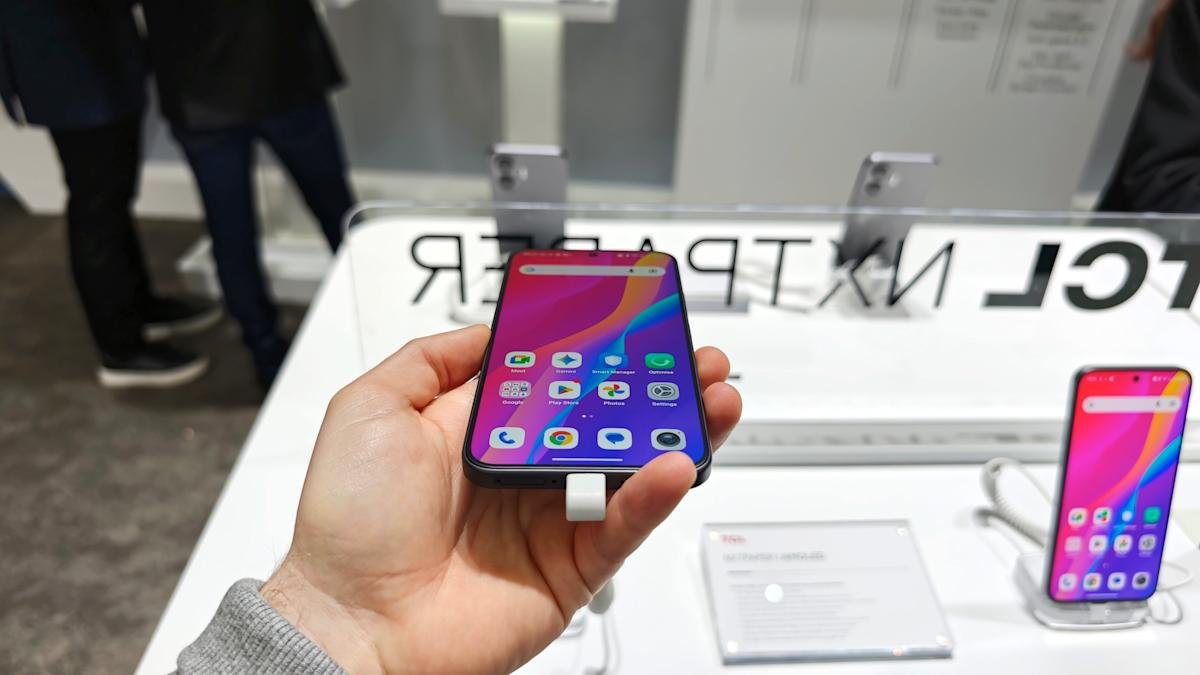
TCL has been making smartphones and tablets at an impressive clip for years. While most companies have focused on foldable display tech — and TCL has dabbled — the focus has been on its NXTPAPER screens. Aimed at being friendlier on the eyes, and pitched as a device somewhere between e-ink slates and traditional tablets, NXTPAPER has gradually been upgraded and refined, reaching an apex at CES 2026 earlier this year with the Kindle Scribe-alike, the Note A1 NXTPAPER and its latest smartphone, the NXTPAPER 70 Pro.
At MWC, just a couple of months later, it’s preparing for a major leap forward on future phones and tablets. It’s been announced (and backed up with tech demos) that it’s developing AMOLED NXTPAPER displays, aiming to combine the eye comfort benefits of TCL’s current displays with flagship visual performance. This involved fundamentally redesigning and re-engineering the display architecture. Still, it should address the biggest problems with current LCD-based NXTPAPER, such as mediocre brightness, poor outdoor performance, and dull colors.
This NXTPAPER AMOLED screen, well, it looks like AMOLED:

Image by Mat Smith for Engadget
On the showfloor at CES, the company had several demo devices showcasing the new screen technology’s brightness. While still photos don’t really do it justice, it’s impressive, and the anti-glare effect seems premium compared to third-party anti-glare protective films.
TCL says its incoming AMOLED display — it hasn’t announced a device yet — will reach 3,200 nits of brightness. For reference, TCL’s 70 Pro topped out at a mere 900 nits. TCL says it will also feature 120Hz refresh rates, 100 percent color gamut coverage, and blue light reduction that can go as low as 2.9 percent, which is 15 percent less than existing NXTPAPER displays.
The company plans to launch an AMOLED NXTPAPER smartphone before the end of the year.