dailynewsnblog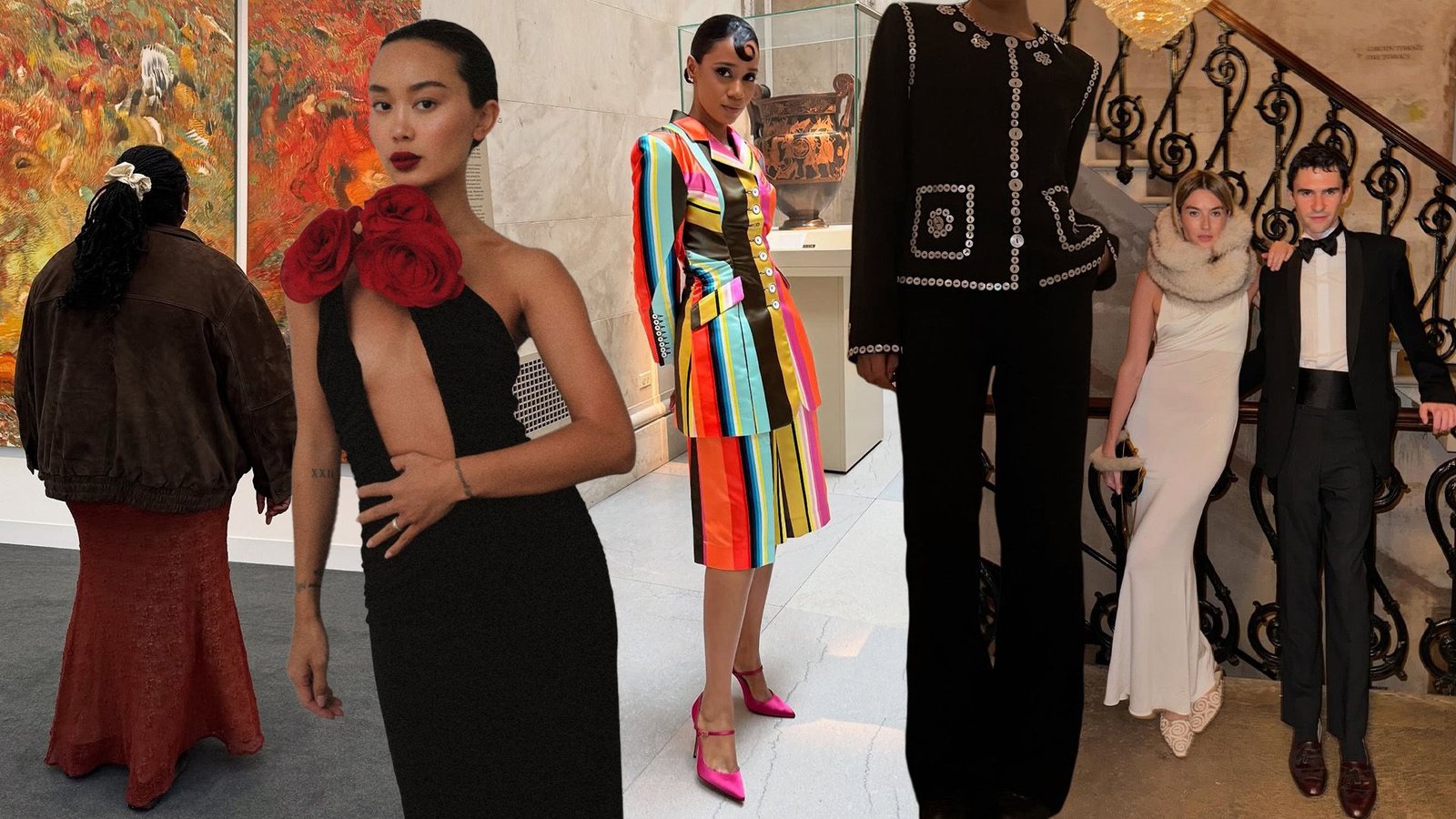
There’s a particular rush and excitement that comes with an invitation to the ballet, a gala, even a ticket to a Broadway show or a concert. It’s not just about where you’re going and what you’ll experience; it’s about what you’re going to wear—especially if you’re a fashion person. This is your time to get dressed up and show off your style. When you curate that outfit, one that signals you understand the room, the moment, and the mood, you feel a sense of belonging.
The thing is, for many, putting together a chic ensemble is easier said than done, especially since most cultural events come with no official dress code, just a haze of expectations. Too formal and you look try-hard. Too casual and you feel out of place. The sweet spot exists. But what exactly is it? You might ask your friends who have been to something similar or even google what to wear, but the results are often anything but helpful. Here’s the good news: Whether it’s a glamorous night at the opera or a casual evening at a sporting event, there is an art to nailing your look every time. That’s exactly what this guide is for.
Ahead, I’m breaking down the fashion people–approved dress codes for every cultural event, including what not to wear and plenty of outfit inspiration. Now, you’ll never have to wonder if your look is appropriate—you’ll feel confident walking into the room because you know your outfit is perfectly on point.

There’s something about going to the ballet in New York City that feels like a dream. For many, it’s a bucket-list moment—getting dressed up for a magical evening at Lincoln Center, walking past the fountains, and stepping into a world of elegance and art. Whether you’re seeing The Nutcracker in November and December, when the magic of the holidays truly comes alive, or another breathtaking production like American Ballet Theatre in the summer, the experience feels straight out of a movie. For both, the attire should read polished, soft, and elevated. You’ll be surrounded by people in cocktail dresses and sharp tailoring; it’s the kind of night where you don’t want to be underdressed. Since The Nutcracker is during the holiday season, you’ll want to dress warmly while still prioritizing high fashion. For example, a sheer skirt with an oversize blazer, hair in a sleek bun, and classic kitten heels; a long-sleeve minidress, sheer tights, and pumps; or a lace-trimmed slip skirt with a fitted sweater and slingbacks. You may also want your outfit to be a bit festive, which you can achieve by opting for deep red accessories or swapping a black minidress for an ivory satin style. For American Ballet Theatre in the summer, you can dress similarly but lose a few layers and wear silhouettes in lighter fabrics. Just keep in mind that two hours can be a long time to sit in something that isn’t comfortable.

Gallery hopping is one of the most underrated activities. It keeps you busy, it’s culturally enriching, it’s usually free, and you just might stumble upon something completely new. Since a typical day of gallery visits often includes other activities like brunch or shopping, aim for a simple yet polished look. Set aside your sweats and leggings and choose a sweater with leather pants and loafers, dark-wash jeans with a frog-closure jacket and ballet flats, or black trousers with a tee, trench coat, and sneakers. If you’re attending a gallery cocktail reception, a more elevated evening event, it’s suggested to dress up a bit more, but don’t go over the top. A long, fitted black dress or a button-down shirt with an A-line skirt and pumps will never fail you in this situation. Complete the look with a croc-effect clutch and a bold red lip.

Attending a Broadway show in New York City or a West End production in London carries a certain sense of occasion. From the velvet seats and ornate architecture to the dramatic rise of the curation, the experience feels steeped in old-world elegance and history. Naturally, it invites the question: What should you wear? While Broadway famously has no official dress code, that freedom can feel unhelpful. As an editor who has been to Broadway and studied what people wear, let me break it down for you, starting with what not to wear. Theaters are often kept cool year-round, so shorts, miniskirts, and sleeveless tops may leave you uncomfortable unless you plan to wear a light jacket or a sweater. Next, think about timing and context. A matinee tends to feel slightly more relaxed, especially if you’re exploring the city before or after. Polished denim paired with a tailored blazer and flats, or a knit sweater with kitten heels, strikes the right balance. An evening performance, particularly one that starts with dinner, may call for a more elevated look, such as dark-wash jeans, leather pants, or black trousers paired with a silk blouse and heeled boots or pumps.

Attending a gala where champagne and caviar flow freely sounds incredibly luxurious—and it is. However, the glamour can quickly fade when you realize you don’t own anything appropriate for the occasion. The thing is, gala attire doesn’t have to mean a voluminous ball gown, and these days it really shouldn’t unless you’re invited to the International Debutante Ball, which is a whole other conversation. It should be floor-length and project a sense of affluence. The key is modern elegance, achieved without being overly extravagant. Classic silhouettes like a high-neck column dress, a strapless sheath dress, or a slip dress are perfect starting points. Look for small, special details that elevate the shape, such as 3D floral appliques, sequins, sheer or organza fabrics, or neck scarves. If you prefer a simple base, like a silk slip, enhance the look with personality pieces such as a fur stole, a tassel-trimmed clutch, satin pumps, or elongated drop earrings.

Seeing your favorite artist live is an experience you sometimes can’t even explain. The excitement is palpable, regardless of your seat location, and it begins even before the opening song—with the outfit. Concert attire has become a major fashion moment recently, largely fueled by Cowboy Carter and The Eras Tour. The goal is to capture the artist’s aesthetic and stage costumes while adding a personal twist. While there are many genres of music and concerts to attend, I often see concert looks divided into three main style categories: Western wear, edgy ensembles, and soft yet playful outfits. For the former, it can be easy to fall into the costumey realm and go overboard, so think Western-inspired but pared back. For example, a midi skirt and a white tank with knee-high cowboy boots would be polished, or a fringe jacket with black trousers, a tee, and kitten heels. For an R&B, rock and roll, or EDM concert, wear an edgy ensemble like black leather pants and a graphic tee with pumps, or a leather jacket, black leggings, and knee-high heeled boots. Last, by a soft yet playful outfit, I mean what you’d wear to a concert by Tate McRae, Sabrina Carpenter, or Olivia Dean. For this, slim-straight jeans are a good place to start, and then you can have more fun with your top, such as a boho-inspired blouse or a sheer tank. No matter the artist or vibe, think small when it comes to your bag, a compact style you can either put on your shoulder or across your body to keep your belongings close, as you’ll be walking through large crowds.

Attending the opera is more than a musical performance; it’s a centuries-old tradition intertwined with the ritual of dressing up, rooted in its historical appeal to the upper class. The opulent venues—with their crystal chandeliers, grand balconies, sweeping staircases, and velvet seating—naturally lend themselves to elegance. When considering what to wear, aim to complement the setting with romantic attire, leaning toward the conservative side. This could include a long strapless peplum top over a slip skirt, styled with pumps and a tennis bracelet; a slip dress elevated by opera gloves and large stud earrings; or black velvet pants with an elevated tank top, a long tuxedo jacket, and slingbacks. The opera is the ideal occasion to overdress and stand out—so embrace it, go all out, and wear your ensemble with confidence.

When visiting a museum exhibition, whether on opening night or during the day, you’ll want to look elegant and artful. While these venues usually don’t require strict dress codes, the environment—home to valuable, delicate, and rare items such as paintings, sculptures, photographs, and textiles—demands respectful attire. Consider outfits like tailored trousers with a crewneck sweater, layered with a long wool coat and heeled ankle boots; capri pants with a short, single-breasted jacket and heeled slingbacks; or khaki jeans paired with a leather jacket and loafers. During the spring and summer, you can lean into Bermuda shorts with kitten heels or a pencil skirt with a T-shirt and ballet flats. Steer clear of overly distracting, heavily branded, or revealing clothing to keep the focus on the art and ensure a respectful visit for everyone.

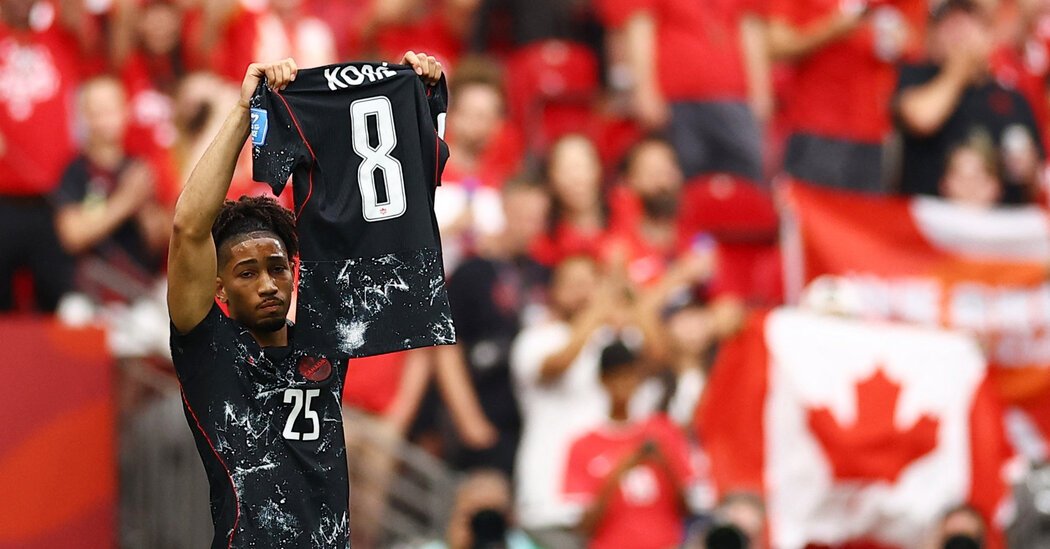
In recent years, the worlds of fashion and sports have become incredibly intertwined. It’s as if stadiums, arenas, and even paddocks now function as runways in their own right. That said, what you wear will likely vary by sport, season, and venue.
Let’s begin with a basketball game, arguably one of the easiest sports to dress for. Because these games are held indoors, the weather is rarely a concern. Start with a simple foundation like a fitted white or black tank and build from there. Pair it with black pull-on pants, leather pants, or dark-wash denim, and layer thoughtfully with a sweater draped over your shoulders or a leather jacket left unzipped. Footwear can elevate the entire look; pointed-toe kitten heels, heeled ankle boots, or sleek sneakers all nail the sporty yet refined style. If you want to rep your team, a hat or a small accessory is a chic addition. Less is really more.
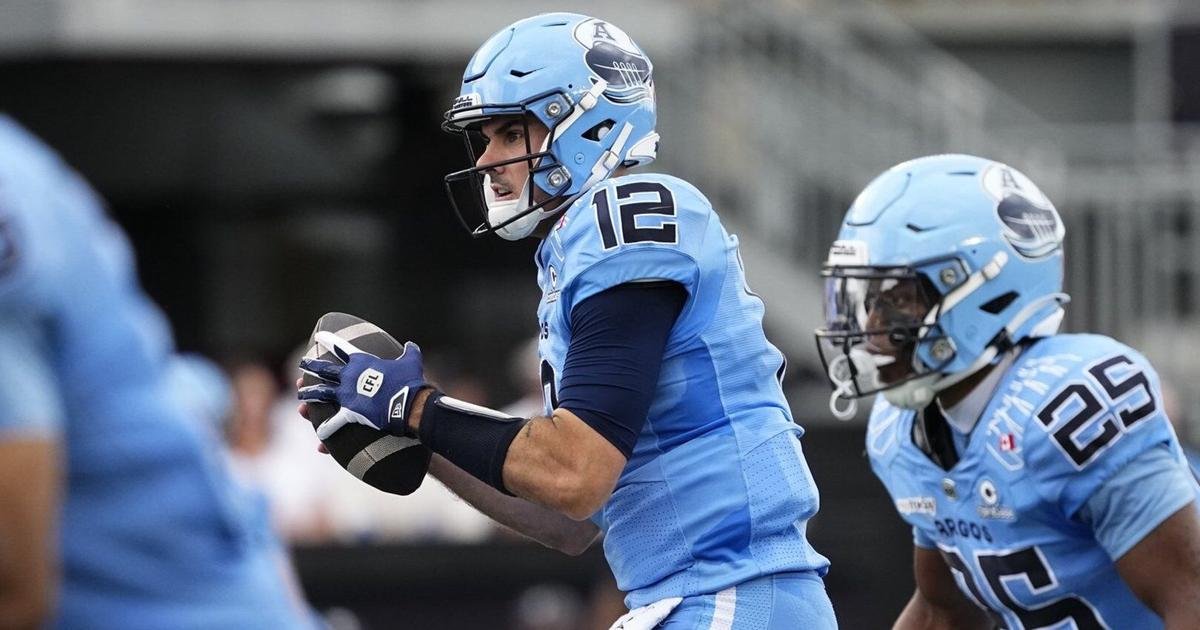
Football games require more practicality. While some stadiums have retractable roofs, many games are played outdoors, and the NFL season stretches from early fall into the depths of winter. Dressing warmly, particularly if you’re on the East Coast, is essential. Elevated staples such as bomber jackets, leather trousers, classic tees, puffer coats, beanies, and scarves in your team’s color palette can be styled in a way that feels intentional. As for shoes, wear slim sneakers or flat boots. And because many stadiums don’t allow bags, play it safe and wear a jacket with pockets so that you can keep your phone, wallet, and lip gloss close by.
If you’re heading to a tennis match, such as a Grand Slam tournament like the US Open, Wimbledon, French Open, or Australian Open, the attire shifts again. These matches take place during the summer and are typically held outdoors, making sun protection and lightweight garments nonnegotiable. Think polished and classic with a smart-casual sensibility. Tailored separates, maxi dresses, crisp shirting, and refined footwear like ballet flats or kitten heels. Avoid overly ripped jeans and denim shorts—unless you’re sitting outside the grounds and spectating. Also, consider fabrics—cotton and linen are perfect for spending a long day in the sun, but layering a fine knit or blazer over your shoulders will ensure you’re prepared for a cloudy moment.
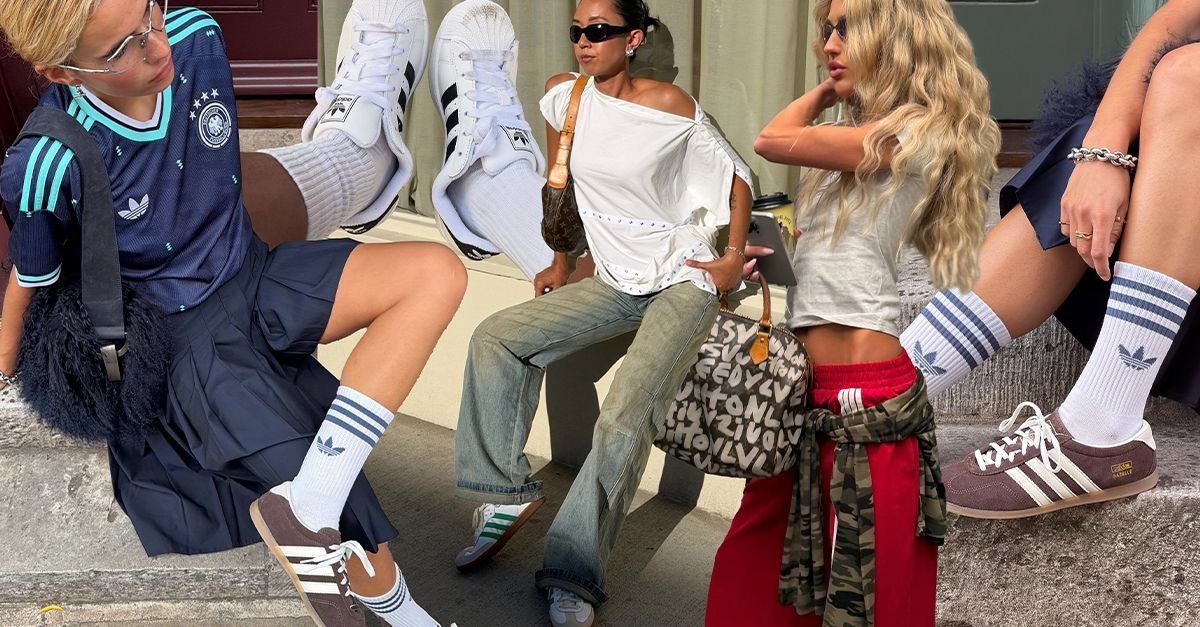
Formula 1 races are similar to tennis matches in that you’ll be outside for many hours and want to look chic. Much of the season takes place in warm-weather destinations, so breathable pieces should be the foundation of your outfit. Consider a baseball cap that reps your team, styled with a crisp white tee and jeans, or linen pants and an elevated tank top. Even a breezy dress can feel perfect at home trackside; just make sure it’s made from a fabric that withstands heat and long hours outdoors. Keep in mind that access determines your experience. The paddock is typically climate-controlled, while grandstand and general admission ticket holders will be fully exposed to the elements. Also, there’s a lot of walking involved, so if you think sneakers will be the most comfortable and practical option, choose a retro-inspired, sporty pair such as Puma Speedcats or Adidas Tokyo shoes. If you’re against wearing flats, complete your look with kitten-heeled mules or any heels that won’t give you blisters.
The dress code for a baseball game is more relaxed and understated. For a daytime game, lean into easy, effortless pieces like drawstring pants or relaxed denim paired with a simple tank, sneakers, and a baseball cap. For an evening game, you can sharpen the look with straight-leg jeans, a letterman jacket, and loafers. It’s sporty but doesn’t come across as trying too hard. While most stadiums allow bags, opting for a smaller shoulder bag will make security checks and stadium entry much smoother.
While I’ve never been to an NHL game, I’m well aware that, since it’s ice hockey, the arenas are kept cool to maintain the ice. This means your outfit should be all about thoughtful layering. Start with a reliable base, such as your favorite jeans and a fitted tee or turtleneck. Then add a sweater or a short jacket that you can remove if needed. Because hockey games don’t typically require extensive walking or standing once you’re inside, you have more flexibility with footwear. Kitten heeled pumps or boots, as well as sneakers or flats, all work.

For a film festival screening or panel, opt for a polished yet effortless dress code. You’re not seeking red carpet glamour, but the environment celebrates creativity and style, with a chance to see some celebrities. Choose tailored pants or a pencil skirt, along with a crisp button-down or a statement jacket that can double as a top. Layering is important because you’ll transition from a possibly warm outdoor environment to cool, heavily air-conditioned theaters. Footwear should be stylish and practical, ensuring your look remains sharp while you’ll likely be standing in line before the doors open.