dailynewsnblog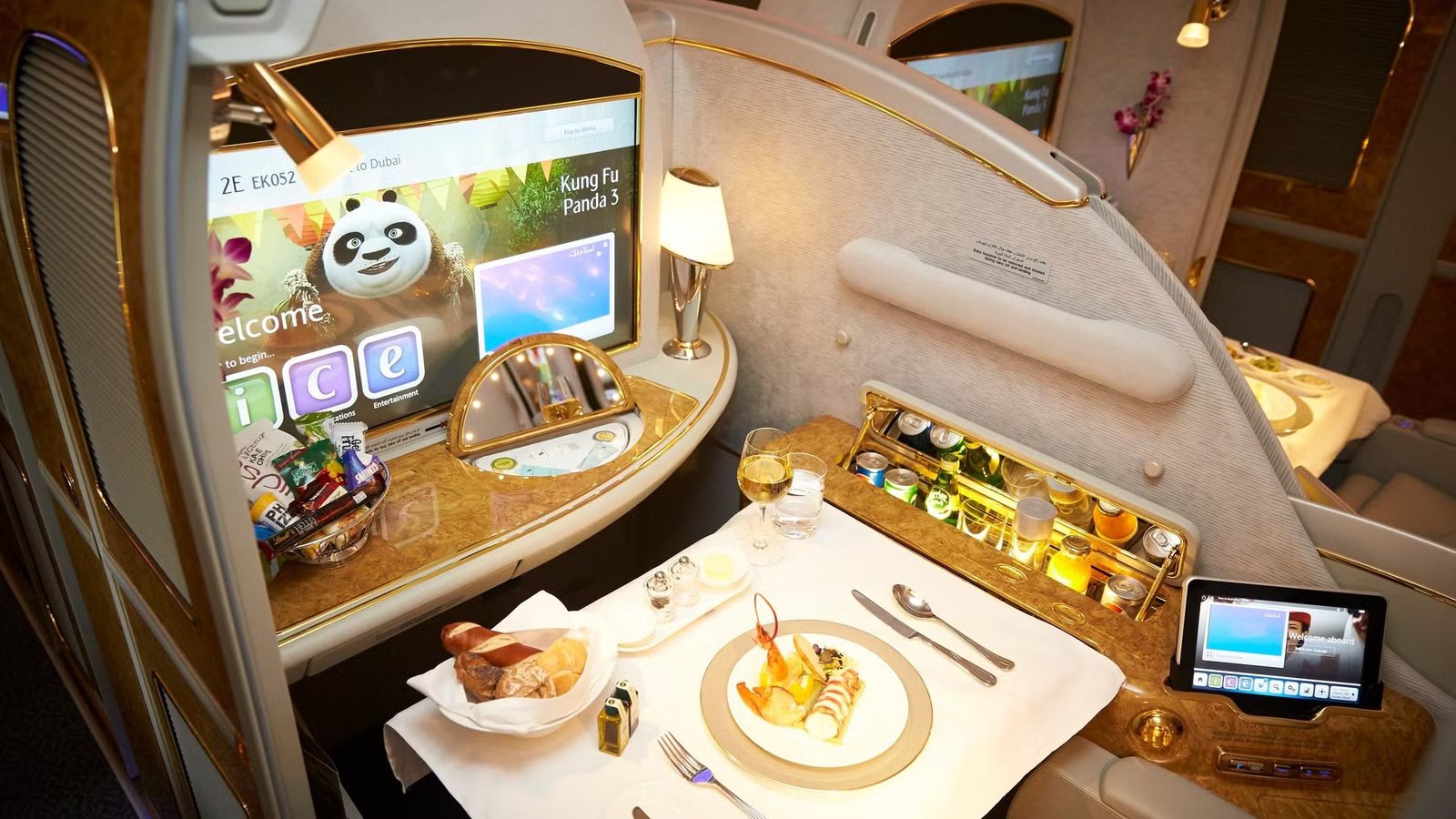
In recent years, travellers have noticed a subtle yet significant shift in the configuration of aircraft cabins. Once a hallmark of luxury and exclusivity, first class sections are quietly disappearing from the fleets of many major airlines. These changes have sparked curiosity among both frequent flyers and industry observers. Why would carriers move away from offering their most prestigious service, often associated with premium pricing and elite comfort?
The answer lies in a mix of evolving passenger preferences, changing economic pressures, and strategic decisions being made behind the scenes. As airlines continue to adapt to post-pandemic realities and long-term shifts in global travel demand, the role of first class in their business models is being reevaluated.
The Changing Economics Of Airline Seating

For airlines, every square foot of cabin space must justify its existence in terms of revenue. First class cabins, while luxurious and prestigious, often occupy significant space that could be used more efficiently. A single first class seat can occupy the same footprint as two or even three business class seats, which are often more profitable on a per-square-foot basis. The shift also reflects broader changes in airline profitability strategies.
In the past, first class was seen as a differentiator that appealed to the most affluent travellers. However, over time, advances in business class offerings, including lie-flat seats, high-end dining, and privacy features, have narrowed the gap between the two classes. Many airlines have found that passengers are willing to pay a premium for upgraded business class experiences, which offer similar amenities to first class but at a more sustainable cost structure for both the carrier and the traveller.
The percentage of seats filled on a flight has also become a critical metric for airline success. First class cabins often fly with a lower load factor, making them less efficient from a revenue perspective. Business class, in contrast, tends to have higher occupancy rates, especially on corporate-heavy routes. Faced with tighter margins and growing pressure to operate efficiently, some airlines are choosing to reduce or eliminate first class seating in favor of more financially viable alternatives.
Business Class Evolution Has Blurred The Lines

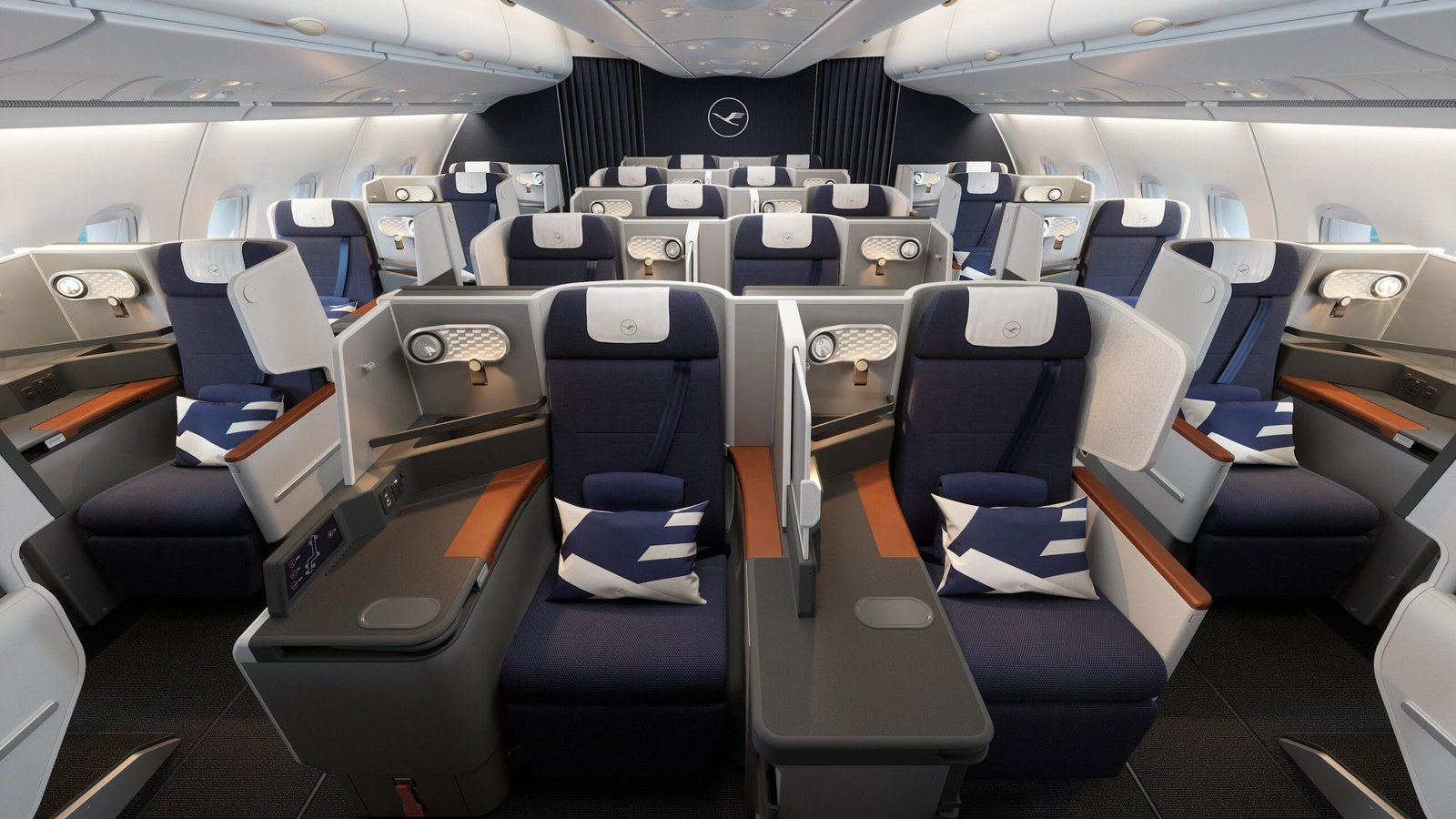
Over the last decade, business class has undergone a dramatic transformation, evolving from a basic upgrade to a near-luxury experience that rivals, and in some cases surpasses, what first class once offered. Modern business class cabins now feature lie-flat seats, direct aisle access, enhanced privacy through suites or sliding doors, and gourmet dining curated by top chefs. This evolution hasn’t happened by accident.
Indeed, airlines have invested in business class products because they appeal to high-end leisure travellers and corporate clients, two of the most profitable segments. Unlike first class, which often caters to a smaller, more niche market, business class offers broader appeal and a higher return on investment. As a result, many carriers have doubled down on premium business seating, introducing branded experiences like All Nippon Airways‘ ‘The Room’ or  Qatar Airways‘ ‘Qsuite.’
The convergence of luxury and practicality in business class has made first class harder to justify. Travellers who once paid a premium for first class now find business class meets all their needs, especially on long-haul international routes. Airlines, recognizing this shift, are reallocating resources to expand and enhance business class cabins, effectively replacing the need for traditional first class while still delivering a top-tier passenger experience.
Passenger Preferences & Demand Shifts

Consumer behavior in the air travel market has shifted significantly in recent years, reshaping how airlines design and prioritize their cabin offerings. Modern travellers, even those willing to pay a premium, are increasingly focused on value, privacy, and functionality over excess luxury. While the prestige of first class once attracted a loyal base of affluent passengers, today’s premium flyers often prioritize features that are now standard in many business class products.
This shift is especially evident among corporate travellers, who make up a substantial portion of high-revenue passengers. Companies, even large ones, have tightened travel budgets and scrutinized expenses more carefully in recent years. First class fares are harder to justify when business class offers comparable comfort at a lower cost. As a result, corporate policies increasingly favor business class travel, reducing demand for the ultra-luxury segment that first class occupies.
|
Metric |
Figure (Per IATA & Centre For Aviation) |
|---|---|
|
Growth rate of international premium class travel (first + business) in 2024 |
11.8% year‑on‑year |
|
Growth rate of international economy class travel in 2024 |
11.5% year‑on‑year |
|
Number of international premium class passengers in 2024 |
116.9 million (6% of all international passengers) |
|
Leading region in premium growth (Asia Pacific) statistics |
22.8% growth to 21 million premium passengers; economy class in Asia Pacific grew 28.6% to 500.8 million passengers. |
|
Region with the highest share of premium travel |
In the Middle East, 14.7% of travellers are in premium cabins; Europe has the largest number of premium passengers at 39.3 million. |
Leisure travellers with more disposable income, meanwhile, often opt for premium economy or business class, seeing them as better value for money. Premium air travel continued to gain momentum in 2024, growing slightly faster than economy travel. Although premium passengers still represent a small portion of the market, their steady rise highlights ongoing demand for higher-end experiences.
Notably, the Asia-Pacific region is driving much of this growth, though economy travel there is expanding even more rapidly. Meanwhile, the Middle East stands out for having the highest share of premium passengers, suggesting a strong regional preference for luxury travel, while Europe leads in total premium traveller volume.
The Impact Of Long-Haul & International Routes

Long-haul flights have traditionally been the stronghold of first class, offering unparalleled luxury travel and exclusivity on journeys that can last 10 hours or more. These routes, often operated by widebodies, provided an ideal setting for airlines to showcase their best products. With growing demand for business class, airlines are increasingly allocating more space to these seats, which deliver a strong balance of comfort and profitability, while scaling back or removing first class altogether.
Furthermore, the evolving competitive landscape on international routes has driven airlines to reassess their cabin configurations. Airlines face pressure to maximize revenue on these expensive-to-operate long-haul flights, where fuel costs, crew expenses, and operational complexity are significantly higher than on short-haul sectors. Business class cabins, with their relatively higher load factors, have become a more reliable revenue driver.
Additionally, emerging trends in long-haul travel, such as the rise of ultra-long-haul flights and the expansion of premium economy, are influencing cabin design decisions. Ultra-long-haul flights, which can last 16 hours or more and generally cost more due to their length, demand passenger comfort and rest, but also emphasize operational efficiency.
Airlines are experimenting with innovative business class products that can provide near-first class comfort without the high costs of full first class suites. Simultaneously, premium economy serves as a middle ground, capturing travellers who seek an upgrade from economy but cannot justify or afford business or first class fares. These evolving factors further reduce the economic justification for maintaining traditional first class cabins on many long-haul international routes.
Airline Profitability & Cost Efficiency

Airlines are increasingly driven by the need to maximize profitability per available seat mile, and this imperative has placed significant pressure on premium cabin configurations. First class cabins, while luxurious, occupy a disproportionately large amount of space on aircraft relative to the revenue they generate.
The cost of outfitting, maintaining, and servicing these premium suites is substantially higher than for business class or economy seats. When first class cabins suffer from low load factors, the revenue shortfall becomes even more pronounced, eroding the potential profit margin for each flight. This economic reality is compelling airlines to reconsider the viability of maintaining such an expensive product.
|
Airline |
Increasing / Introducing First Class or Premium Seats |
Reducing / Removing First Class |
|---|---|---|
|
Etihad Airways |
Introducing first‑class suites on its A321LR narrowbody aircraft. |
— |
|
Air India |
Re‑introducing First Class cabins on its A350‑1000s with private suites. |
— |
|
Air France & Lufthansa |
New premium First Class products (‘Allegris First Class,’ revamped ‘La Première’) to enhance the ultra‑luxury offering. |
— |
|
American Airlines |
— |
Eliminating first class on international long‑haul flights, replacing it with expanded business class (Flagship Suites) because demand for first class fell. |
|
Korean Air |
— |
Removed first class from most long‑haul routes (except some flagship/high-demand routes) during/after the pandemic. |
|
Thai Airways |
— |
Planning to discontinue Royal First Class over the next 2–3 years as part of restructuring. |
Finally, operating costs beyond the seats themselves also factor into decisions. First class cabins often require additional crew, specialized catering, and dedicated lounge facilities, all of which contribute to higher operating expenses. By reducing or eliminating first class cabins, airlines can simplify operations and reduce onboard service complexity. Ultimately, the economic benefits of focusing on business class rather than first class are reshaping how airlines design their premium cabins.
What Does The Future Hold For Premium Travel?

The future of premium travel is shifting, shaped by changing passenger expectations and evolving airline strategies. While demand for comfort and value is growing, especially in business class and premium economy, traditional first class is becoming less common. In effect, there seems to be a pull among airlines in opposite directions. Some airlines, like  Emirates, are doubling down with ultra-luxury first class suites.
Meanwhile, others, like Thai Airways and American Airlines, are phasing or looking to phase first class out entirely. Technological innovation is driving much of this change. Enhanced seat design, improved privacy, and digital personalization are becoming the norm in business class, often narrowing the gap with first class. These upgrades are redefining what premium travel means, focusing less on exclusivity and more on experience.
Sustainability is also influencing the future of premium cabins, as airlines face pressure to reduce emissions while maintaining high service standards. This is pushing a shift toward lighter materials, smarter aircraft design, and more fuel-efficient operations, ensuring that premium travel remains viable in a more climate-conscious world.