dailynewsnblog
When Skyrim featured in the Switch reveal trailer back in 2016, it was a statement of intent for the system. This was a big title in every sense of the word, and for the first time, Nintendo-only console owners could step into a Bethesda RPG and take it on the go, too. Sure, it was yet another version of a terminally re-released game, but it was also a key selling point for Switch.
Fallout, the post-apocalyptic sister series to Elder Scrolls, has never had a mainline entry on Nintendo hardware. Aside from the vault management sim Fallout Shelter back in 2018, Nintendo players have largely missed out. That makes the release of Fallout 4: Anniversary Edition on Switch 2 worthy of real fanfare.
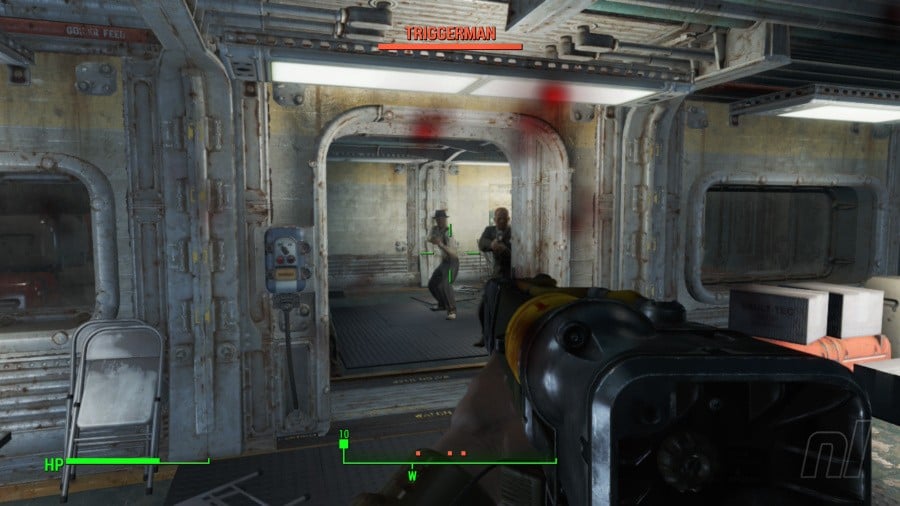
The second season of the TV show has rekindled interest in the franchise and alongside rumours of remasters of Fallout 3 and New Vegas, now feels like the perfect time to strap on the big iron and go for a wander.
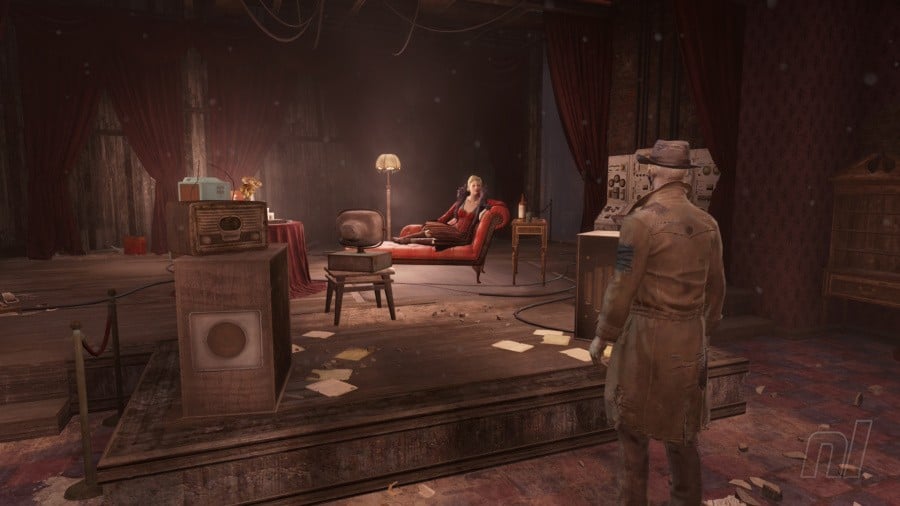
Much like its fantasy counterpart, Fallout presents a huge open world that is easy to get lost in. It is packed with hundreds of quests, branching narratives, and NPCs driven by dynamic AI. The result is a living, breathing, and frequently broken world (more on that later).
Set in the irradiated wasteland of the Commonwealth — Boston and its surrounding areas — Fallout 4 offers a standalone adventure within the franchise’s broader timeline. Your created character is torn from their idyllic suburban life when atomic war breaks out, forcing them to seek refuge in one of many corporate-built vaults. Awakened from cryogenic slumber, they witness the murder of their partner and the kidnapping of their infant son. Emerging into a world of mutated monsters and fractured tribal societies, they begin a desperate search to find their child.
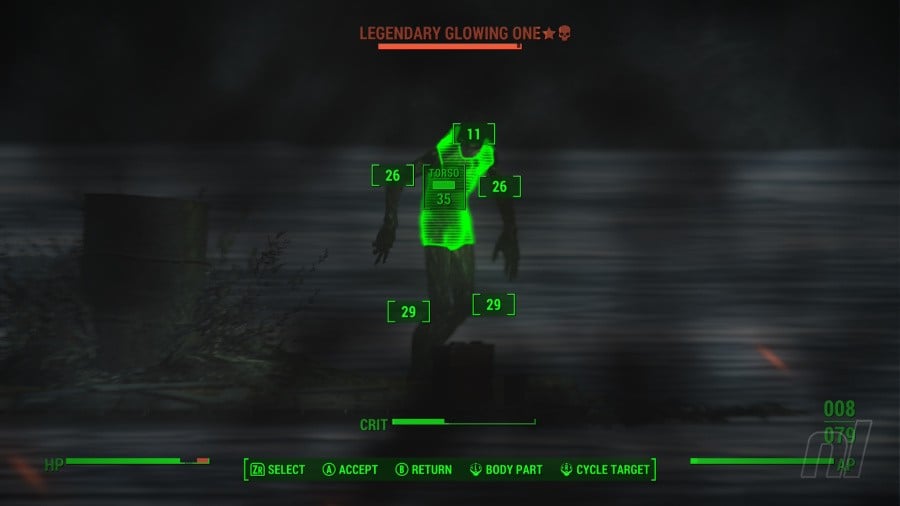
You take on this new frontier using a combination of stealth, melee, and firearm skills, shaping your character through a versatile upgrade system. Combat leans heavily into the series’ stylistic calling card, the slo-mo combat system V.A.T.S.
Like previous entries, the main quest is merely a jumping-off point for the wider mountain of tasks and diversions your wastelander will undertake. Along the way, you encounter different factions trying to survive and shape this crumbling world. Some, like the totalitarian Brotherhood of Steel, pursue domination through fascist ideology. Others, like the clandestine Institute, seek to rebuild civilisation through science.
You are free to pursue any of these groups up to a point, each faction questline leading to a late-game decision that will fundamentally change the main story’s conclusion.
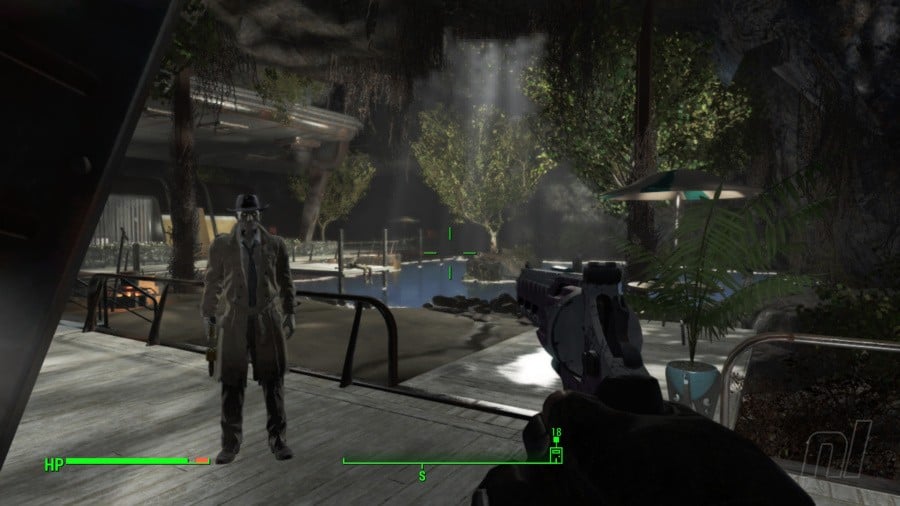
Alternatively, you can just do… whatever you want. The wasteland is a gigantic sandbox, and there are no restrictions on your exploration. It’s often the case that Bethesda Fallout titles carry their best content in ignorable side tasks, and that is certainly true here.
Starting strong with some great setpieces, your mission to find Shaun is ultimately shallow and convoluted. The best things to do in the Commonwealth happen off this beaten narrative path. Unlocking the mysteries of Cabot House or reliving the adventures of Silver Shroud are clear highlights among many. Elsewhere, there are one-off encounters and a wealth of locations to plunder. These moments capture Fallout at its most creative and memorable.
Then there’s the biggest diversion that Fallout 4 brought to the franchise – settlements. Early in your travels, you will meet Preston Garvey and his Minutemen, who guide you through building makeshift homes for wasteland survivors. Think of it like a post-apocalyptic Animal Crossing, except you have to defend your villagers from bandits high on Jet and Psycho.
Like most aspects of Fallout 4, this surprisingly deep base-building can be largely ignored. It’s a love-it-or-hate-it time sink, so feel free to skip right over it, or alternatively spend hundreds of hours rebuilding civilisation in your own image.
This toolset is further expanded by the numerous workshop bundles included in the Anniversary Edition. This bumper, all-in package is also bolstered by shorter questlines like Nuka World and Automatron, the latter of which introduces customisable robot companions.
The main course of extra content is the excellent Far Harbour. Here, you join synth companion Nick Valentine on an expedition to the titular island. This expansion features new quests, enemies, and compelling faction storylines.
So, Fallout 4 is a game that’s constantly giving, bursting at the seams with content and endlessly replayable thanks to a deep upgrade system and multiple routes through the story. But content is one thing, experience is another. This is a Bethesda RPG and Switch 2 port; the proof will ultimately be in the optimisation.
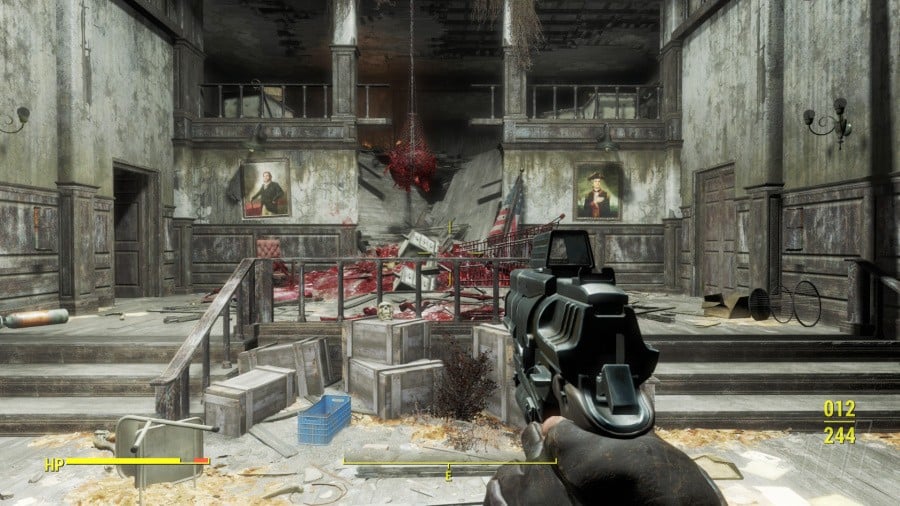
You have three performance modes to choose from in the main menu. 30, 40, and 60fps offer quality, balanced and performance options, respectively. Given this game is a couple of generations old and has been optimised for the current platforms, all of these modes are pleasingly stable from a visual standpoint.
Higher frame modes add softer edges to textures, which mars the fidelity of the long-distance vistas somewhat. There is also the occasional frame dip in busier scenes on any mode, but these issues are rare across a long playthrough.
I chose to play mostly at 40fps as it removed that texture smoothing and maintained stable frames. It’s worth noting that an announced update will add DLSS to 40 and 60fps modes, alongside some stability fixes.
Far more pronounced than the occasional frame hiccup is the rich suite of bugs and technical issues carried over from previous incarnations of the game. Unfortunately, the Switch 2 version does not make any effort to iron out these kinks.
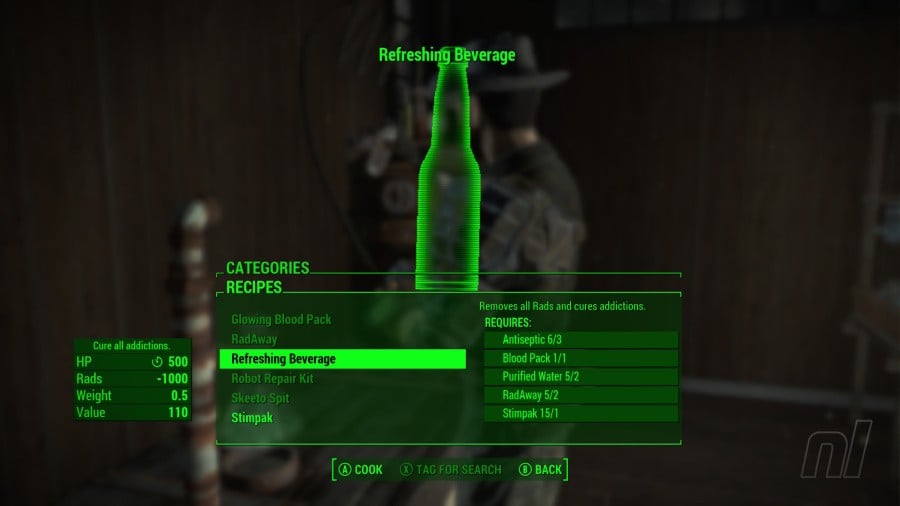
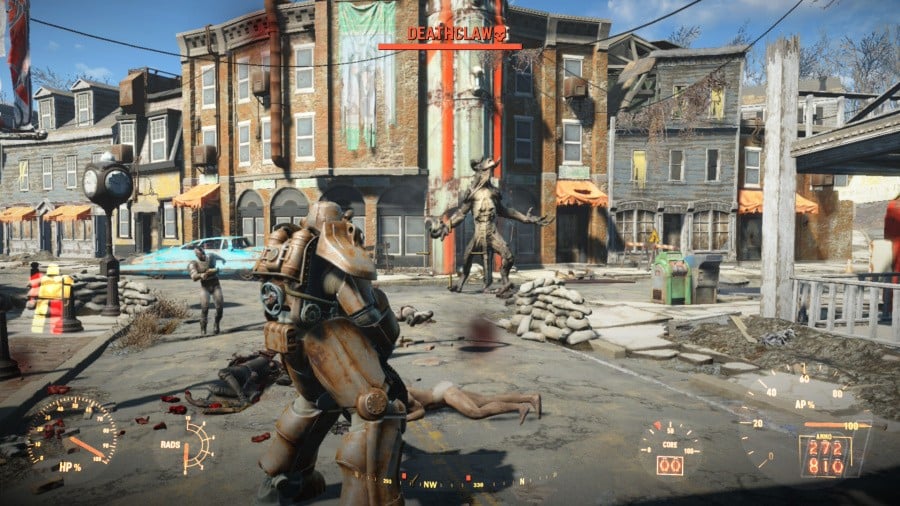
I spent most of my playthrough dealing with a bug that completely disabled sprint (reminder to always be saving, people). This isn’t a fun issue to have when you have alpha Deathclaws snapping at your back. I also suffered multiple audio issues, scripting glitches, and good old-fashioned crashes. Much like the performance fluctuations, these bugs become diluted over a long enough period. They still frustrate every time they occur, though.
It’s customary for Bethesda titles to arrive on a new platform with an existing suite of issues still intact, of course. It’s just a shame that Fallout’s first appearance on a Nintendo console is blighted by a less-than-optimal experience.
Further disappointment comes from the complete lack of Switch 2 system features, such as gyro or mouse controls. Mouse control in particular feels egregious, especially considering how comfortably the series plays on PC.
Conclusion
In spite of its issues, Fallout 4: Anniversary Edition remains a key title for the console. It’s a hugely generous package that looks great and, much like Skyrim before it, is very enjoyable to play undocked.
It’s Fallout, on Switch 2. A giant experience, overflowing with content and featuring some of the best quests in the series, and a mostly great visual optimisation that tests patience with more bugs than a bloatfly nest. If you can endure its (many) technical shortcomings, there are hundreds of hours of solid RPG here.