dailynewsnblog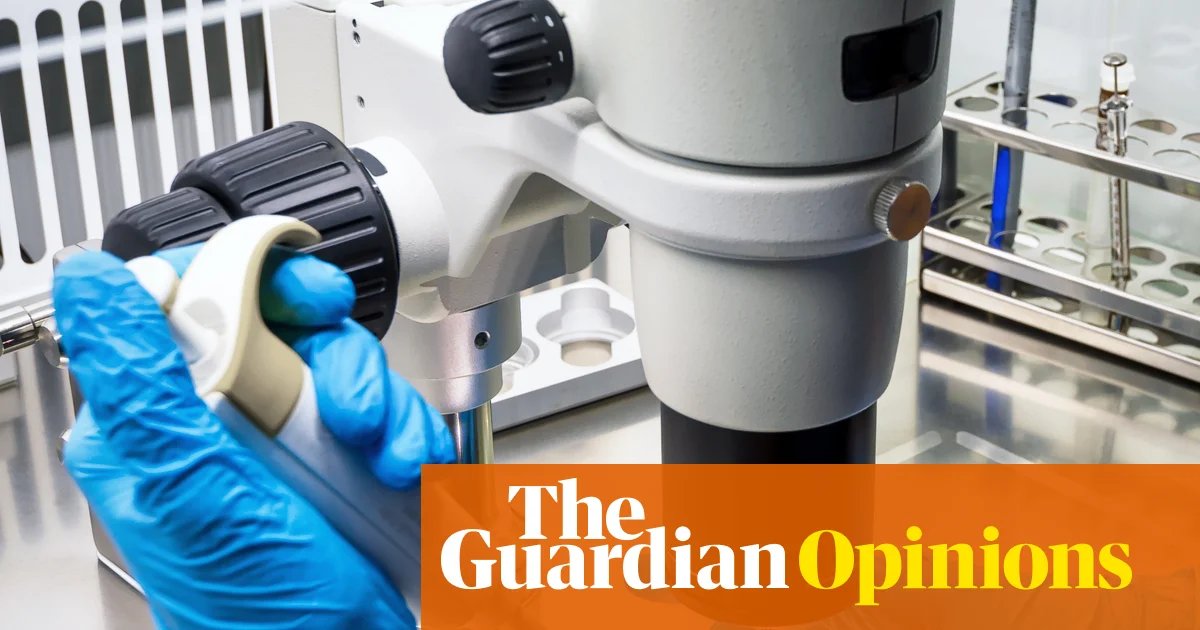
Donald Trump has spent much of his second term at war with science and scientists. He is cutting staff at institutions such as the Environmental Protection Agency (EPA) by a third, and has cancelled or frozen up to 8,000 federal research grants. This hasn’t just hurt individual research programmes, it has damaged America’s credibility as a reliable partner in the scientific community. It is not surprising that many researchers – one poll last year by the journal Nature gave the number of 75% – say they are considering leaving the US entirely.
However, it is one thing to express dissatisfaction, and quite another to up sticks and leave. If the UK and EU want to attract elite scientific talent, their approach must be twofold: appealing directly to scientists concerned with political interference in their research, and offering stable, ringfenced money.
France has proved this can work with its Choose France for Science initiative, launched early in Mr Trump’s wave of cuts, and emphasising academic freedom and a £90m pot to attract international researchers. Its government announced this month that of the 46 academics recruited so far by the programme, 41 would relocate from the US.
This contrasts with the similarly branded EU offer, Choose Europe for Science, which has a respectable £790m in funding. However, despite being launched with rhetoric that all but called out the Trump administration’s war on science, not all the money is earmarked for researchers outside Europe. European Research Council data suggests that applications from US-based academics doubled in 2025, but the number is still relatively small. New funding for science is always welcome, but it remains to be seen if opening up large, highly competitive application rounds such as this will sway many Americans when more direct appeals are being made.
It is disappointing to see the UK commit just £54m over five years to its own effort to recruit international researchers. The government has suggested that this initial pot is just a trial, and more money could be made available later. But this isn’t the time to be timid. The disruptions started by Mr Trump may not last, and other offers are being made. Canada, with similar cultural and linguistic advantages to the UK, has recognised the what it calls a “historic opportunity” and launched an impressive 12-year, £900m initiative. The plan is to attract some 1,000 researchers over that period, a number that could transform Canada’s scientific landscape.
Some perspective is useful. The US has been the world’s scientific superpower since the mid-20th century, and it will take more than the remainder of Mr Trump’s term to change that. As the French economist Philippe Askenazy has argued, as long as American federal science funding remains relatively high and its university system is stable, we are unlikely to see a truly catastrophic exodus.
However, Mr Trump has still insulted, defunded and alienated thousands of high-level researchers – people who countries spend decades and millions of pounds training or recruiting. He has been particularly hard on crucial fields such as vaccines, and infectious disease and climate crisis research. While Europe and the UK should always prioritise their own homegrown researchers and programmes, there is a unique opportunity to enrich both our scientific culture and economy by offering a lifeline to American scientists.
-
Do you have an opinion on the issues raised in this article? If you would like to submit a response of up to 300 words by email to be considered for publication in our letters section, please click here.