dailynewsnblog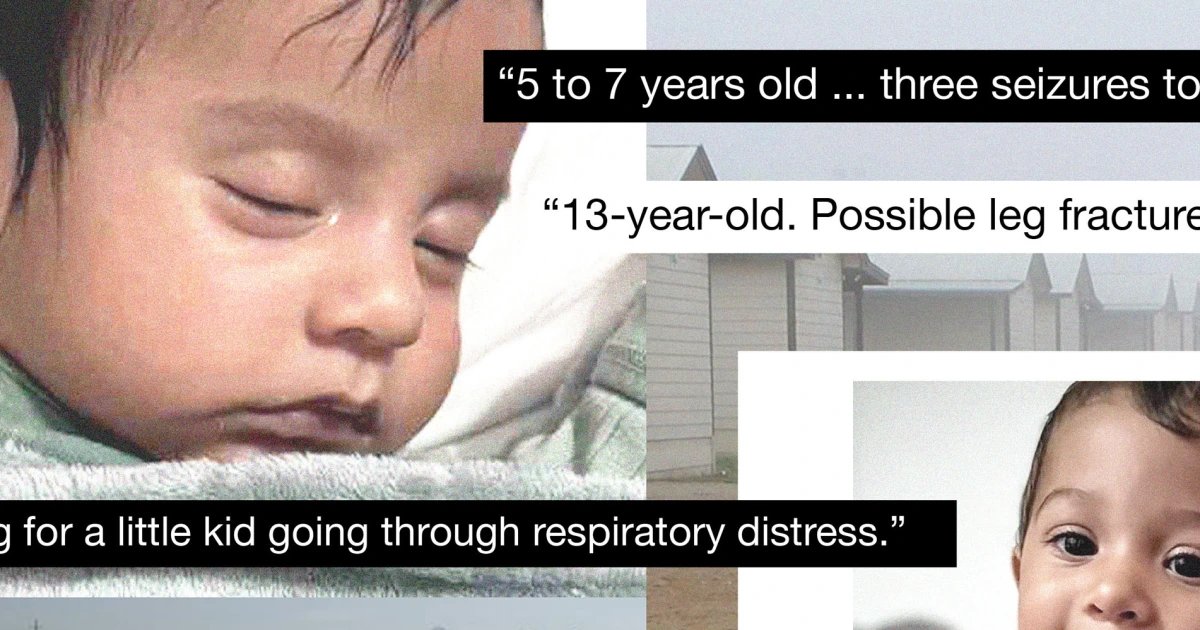
Kheilin Valero Marcano’s account paints a different picture.
By mid-January, Valero Marcano knew something was seriously wrong with her daughter, Amalia. In the month since federal officers arrested the family of asylum-seekers during an immigration check-in in El Paso, Texas, and transferred them to Dilley, the 17-month-old’s health had steadily declined.
For weeks, according to Valero Marcano and a habeas corpus petition seeking the family’s release, Amalia struggled with worsening respiratory symptoms. It began with a fever, then a cough that wouldn’t ease. Her nose clogged with thick mucus. Her breathing grew strained and wheezy. Echoing complaints from other families, Valero Marcano said her daughter’s care was complicated by a policy at Dilley that requires families to line up outside — sometimes for hours in freezing temperatures or rain — for each dose of medicine.
They stood in line three times a day, she said — in the morning, after lunch and again in the evening — for pain medicine and antibiotics. On blistering cold days, they wrapped Amalia in a blanket, trying to keep her warm.
“Many times I had to take the girl with a fever,” Valero Marcano said in Spanish this week in an interview with NBC News.
Amalia didn’t improve. She spiraled on the evening of Jan. 18, when — according to Valero Marcano and the 911 logs — medical staff at Dilley noted dangerously low blood-oxygen levels. A nurse explained they were calling for an ambulance.
“Thank God,” Valero Marcano remembered saying. “Because you haven’t done anything.”
After a brief stop at Frio Regional Hospital, Amalia and her mother were transported by ambulance to Methodist Children’s Hospital in San Antonio. There, the girl was treated for more than a week for pneumonia, Covid-19, RSV and respiratory distress, according to the family, while Immigration and Customs Enforcement officers stood guard.
After Amalia was discharged, immigration officers returned them to Dilley, where medical staff withheld the nebulizer prescribed by doctors at the hospital, claiming that it was not necessary, according to Valero Marcano and the habeas corpus petition. The family was released from detention the following week, after a lawyer filed the petition.

Valero Marcano said she was not surprised to learn that other children at Dilley had also been rushed to hospitals.
“They should change their ways,” she said of the facility. “At least give medicine to the children who need it.”
In a statement, DHS denied that Amalia’s medication was withheld. The agency said the girl “immediately received proper medical care” when she fell ill. Upon her return to Dilley, the statement said, the girl “was in the medical unit and received proper treatment and prescribed medicines.” Gustin, the CoreCivic spokesperson, said detainee privacy protections prevent the company from commenting on individual medical cases.
Dr. Ashley Cozzo, a pediatrician and neonatologist based in Connecticut who also signed the letter calling for children to be released from Dilley, said Amalia’s case — along with the other emergency calls — points to potential structural failures.
In pediatrics, she said, the focus is prevention: recognizing warning signs early enough to keep a child out of the emergency room. Based on firsthand accounts and public reporting, Cozzo said she’s concerned that conditions at the facility may be contributing to the spread of infectious diseases — including measles, Covid-19 and RSV — and that once children become sick, care is not escalating quickly enough to prevent emergencies.
“Those calls are pointing in the same direction,” Cozzo said. “A missed opportunity at early identification and appropriate intervention.”