dailynewsnblog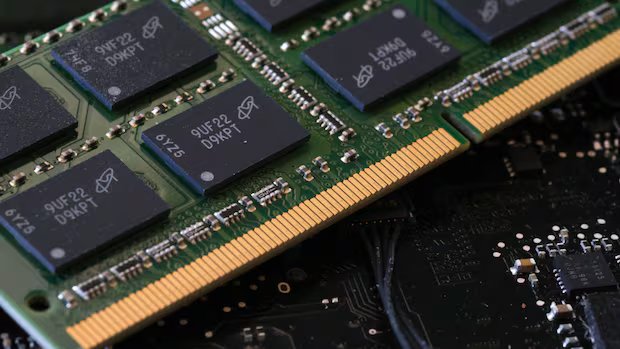
The boom of investment in artificial intelligence has led to a shortage of the world’s memory chip supply, a predicament that has been nothing short of a crisis for consumer electronics companies around the world.
A shortage of random access memory, or RAM — a critical component in most modern devices — could soon drive up prices and force shipping delays on everything from laptops to smartphones to gaming consoles and automobiles.
“We’ve seen this huge growth in investments in AI data centres, and that is kind of sucking all the oxygen out of the room, if you will,” said Willy Shih, a professor of management practice at Harvard Business School.

The artificial intelligence boom is driving a worldwide shortage in memory chips that could soon drive up prices in everything from smartphones to laptops to video game consoles.
Just three companies are responsible for manufacturing the world’s supply of RAM: South Korea’s Samsung and SK Hynix, and their U.S. peer Micron Technology.
The latter two are completely sold out of high bandwidth memory chips through the rest of the year.
Where these firms used to manufacture traditional DRAM (dynamic random access memory) and flash memory for consumer electronics, “they’ve reallocated a lot of their capacity to the newer and more profitable high-bandwidth memory segment,” which is used for AI, said Shih.
“I think what most people have been surprised at is how this AI spending has really soaked up all the demand and created shortages,” said Shih, noting that companies are trying to build more capacity and plants to accommodate that demand. “But that takes some time to correct.”
Big Tech braces for impact

Some of the world’s biggest manufacturers of consumer electronics have hinted they have little breathing room once their current stockpile of memory chips runs out. Others have said the shortage is weighing on their outlooks for the coming year.
Cristiano Amon, CEO of U.S. chip and software maker Qualcomm, blamed his company’s weak second-quarter forecast on the memory shortage. Intel CEO Lip-Bu Tan warned there may not be any relief from the shortage for at least the next two years. HP confirmed it has started raising prices on its PCs, and Dell is reportedly doing the same for its corporate clients.
Meanwhile, Apple CEO Tim Cook said during the company’s recent first-quarter earnings call that the tech giant foresees market pricing for memory “increasing significantly” in the near future.
“As always, we’ll look at a range of options to deal with that,” Cook told investors.
Interpretations were mixed. While some analysts wrote that Apple has a track record of keeping retail prices in check during volatile periods, others wrote that the company would be facing up to $2 or $3 billion US in extra costs per quarter as a result of the shortage — and that it might raise the price of some products to offset that.
As the shortage wreaks havoc on bottom lines, one mid-sized consumer electronics company says it will eat the higher prices.
“Being able to source memory from suppliers has obviously become both much more challenging and much more expensive,” said Nirav Patel, the founder of Framework, a U.S.-based repairable computer manufacturer that positions itself as an alternative to companies like Apple.
The company is selling the memory modules that come with its laptop at cost in order to avoid raising prices for its consumers.
“Rather than trying to mark up and capture margin here, we’re really just making sure that consumers can get a working computer at all,” Patel told CBC News.
Gaming industry gets nerfed
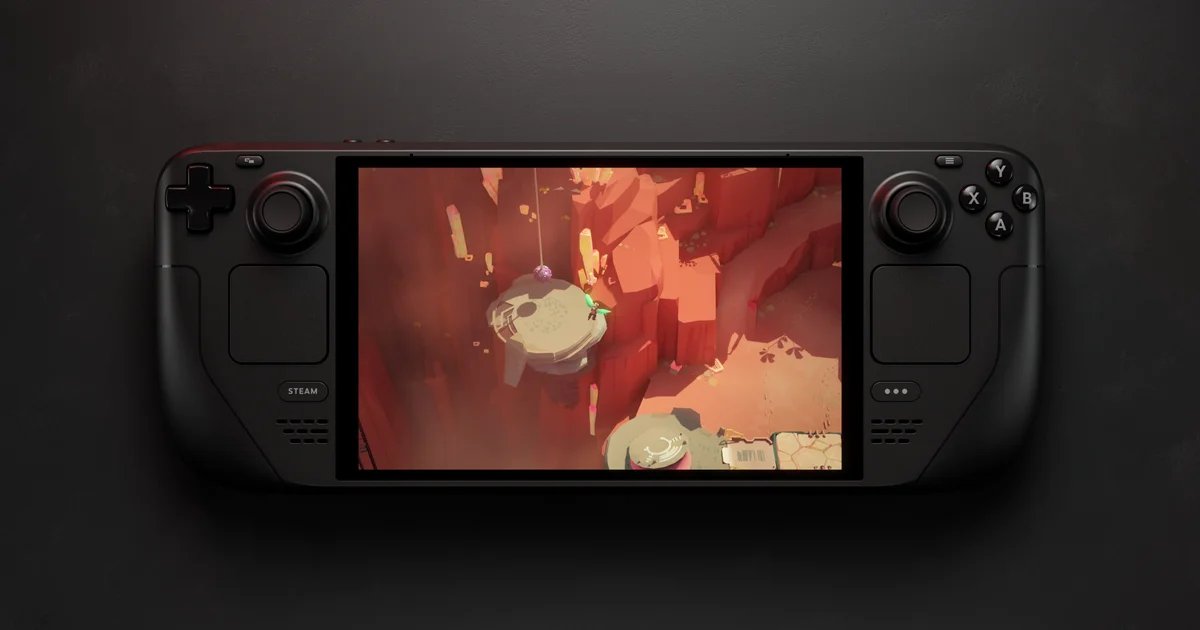
Investors are increasingly worried that major video game makers will push out release dates or hike prices on new consoles — the latest models of Sony’s PlayStation, Microsoft’s Xbox or the Nintendo Switch, for example — to mitigate the impact of the memory chip shortage.
These companies “are certainly formulating multiple strategies right now. And a lot of those strategies will involve price increases,” said Jeffrey Grubb, a gaming industry reporter based in Cleveland, Ohio.
The amount of memory needed for a PC to operate a new game includes about 16 GB of RAM and another 16 GB for the separate video card (VRAM).
“When you kind of combine those things, we’re in a range of around 32 GB of memory. And that’s kind of going to be the standard now,” Grubb explained.
Some of the major game-makers are already looking at ways to offset the inevitable rise in their input costs by charging existing consumers extra fees and expanding other parts of their business.
Sony CEO Lin Tao, for example, said during the company’s latest earnings call that it intends to mitigate the impact of higher memory costs by “prioritizing monetization of the installed base to date,” especially consumers who own the company’s PS5.
That’s a tricky play, says Grubb, because Sony and other gaming companies “have already done a lot to sort of nickel-and-dime the consumers.”

Electronic Arts, maker of video games like The Sims and Madden NFL, is being acquired for $55 billion US, the biggest leveraged buyout attempt in history. Many details of the deal remain unknown, but as Michelle Ghoussoub reports, it’s leading to more uncertainty in Canada’s gaming industry given EA’s major presence across the country.
Other companies are trying a different route. British developer TT Games, wary of the shortage, announced earlier this month that it had adapted its Lego Batman game to fit into older systems that recommend just 16 GB of RAM, rather than the initial recommendation of 32 GB.
The memory shortage is expected to last until the end of the year. From Grubb’s perspective, major chip manufacturers have made a high-stakes bet in shifting their production capacity from RAM for consumer electronics to higher-bandwidth memory for AI data centres.
If that bet doesn’t pay off, and the appetite for AI investment vanishes, another memory-related crisis could be on the horizon if companies are forced to reverse their plans, he said.
“Those companies that make that memory would have to shift their focus back over to consumers, [and] begin building new facilities that can handle this different kind of memory,” he said. “And that’s years in the making.”