dailynewsnblog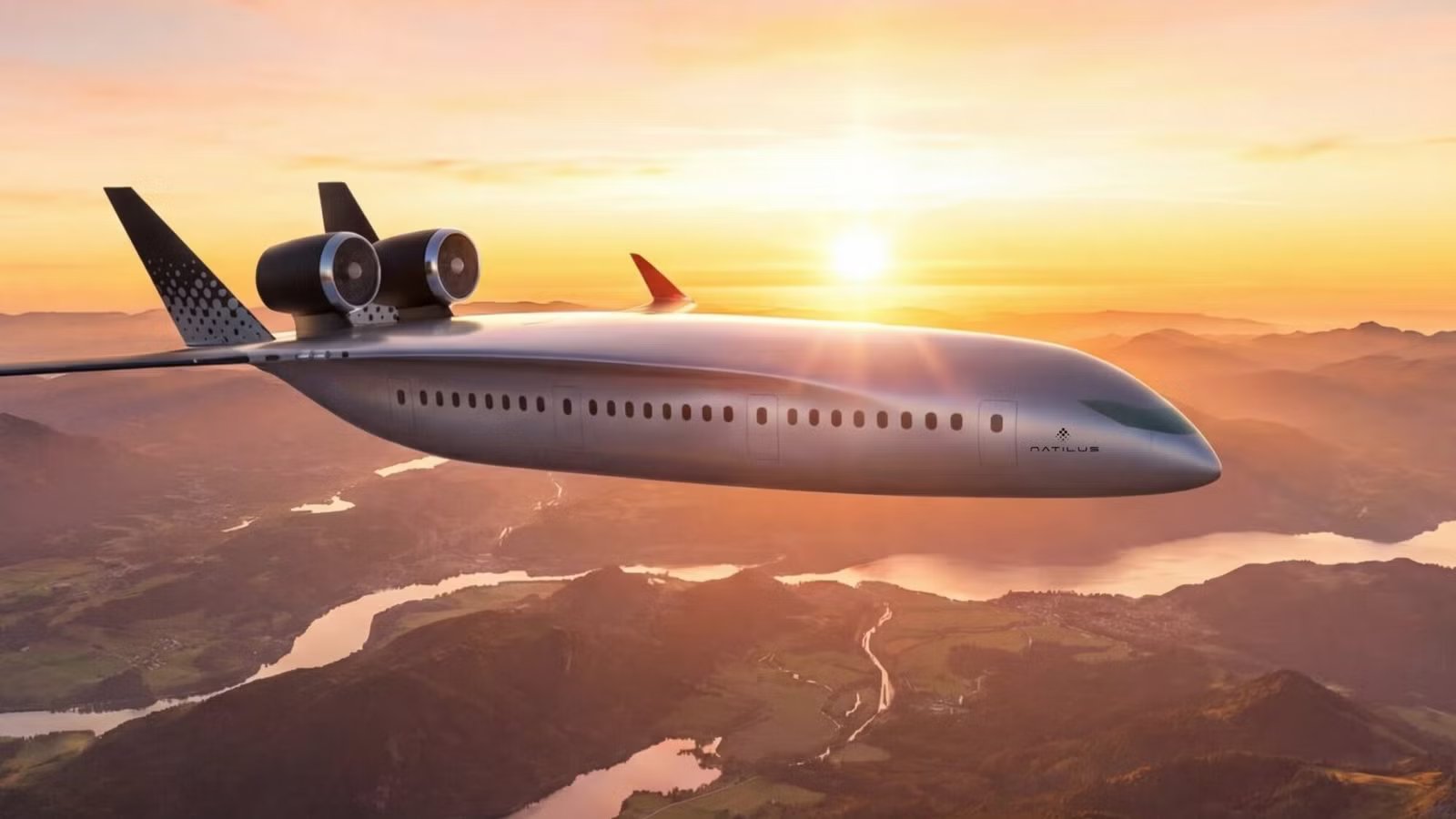
The California-based startup, Natilus, has gathered a roster of experts to develop its blended-wing-body aircraft, with members that include former senior leaders from  Boeing’s civil and defense divisions. The ambitious planemaker is also backed by investment from the same firm that helped propel modern-day icons like Skype, Robinhood, and Tesla.
Founded in 2016, Natilus started out in San Francisco but moved to a facility just over a mile from the US-Mexico border in 2021. The first prototype is currently under construction inside the San Diego warehouse, but long-term plans aim for a 3.5 million square foot factory that will outpace the assembly lines of both the Boeing 737 MAX and Airbus A320 single-aisle jetliners.
A Paradigm Shift On The Horizon

The first Natilus prototype, dubbed the Kona, is set to take flight in 2028 when the turboprop, freighter variant will make its maiden voyage. Natilus hopes to have its commercial passenger model, the Horizon, off the ground the next year and certification of both targeted for 2030. So far, the emerging manufacturer has raised $28 million from investors and gained support from major league players.
Kory Mathews, the former VP of Boeing’s Phantom Works, joined the Natilus Board of Directors this month. Meanwhile, Dennis Muilenburg, the former CEO of Boeing, has invested in the new maker through New Vista Capital, according to the San Diego Tribune. The primary investor of Natilus’s latest fundraising rally, however, is Tim Draper of Draper Associates, who manages a $2 billion venture capitalist firm.
Draper highlighted the mass-appeal and broad utility of the Natilus BWB aircraft, optionally-manned plane designs that will have already generated an order backlog worth over $24 billion. This is just a short excerpt of Draper’s remarks in the February 10th investment announcement from Natilus:
“The aviation market is ripe for a new aircraft manufacturing entrant. Natilus’s innovative and technology-driven approach to developing blended wing aircraft has opened the doors for [airlines] to embrace these new planes.”
Natilus: The Next Boeing

Aleksey Matyushev, co-founder of Natilus, remarked to the San Diego Tribune, saying that the company’s goal is “to be the next Boeing.” True to that goal, the new maker has not only set out to produce an airliner that will compete with the most popular single-aisle jets in the world today, the 737 MAX and A320, but also a flexible architecture cargo plane with potential defense applications.
The smaller, turboprop Kona was conceived from the outset with automated flight as an option for maximum airframe utilization in cargo ops, but military roles are also envisioned for the debut model of the Natilus lineup. The latest injection of funding has given the company the resources it needs to complete the assembly of its first fully functional, airworthy plane within the next 24 months.
Natilus was inspired to create a new kind of freighter as Matyushev and co-founder Anatoly Starikov observed the rising demand of e-commerce would see cargo planes flying with full holds but taking off well below the weight limit. Similarly innovative inside, the Horizon will be made with a flexible layout passenger deck that can be made with four-seat booths facing each other, all above a full-length cargo bay.

The Future Of Cargo? Kuehne+Nagel Eyes Blended Wing Freighter
Natilus still does not have a production facility for its Kona cargo aircraft.
The Blended-Wing-Body Difference

Kona offers a dramatic increase in capacity to cargo operators with its lifting-body fuselage design. Kona is specifically targeting the trans-Pacific trade market, where ocean transit is slow but cheap, and air shipping is fast but expensive. The BWB plane is set to offer a balanced blend that incorporates the best of both worlds, with the speed of an airplane yet carrying a much greater payload in a single mission.
The baseline efficiency advantage of the Kona and Horizon is that the BWB airframe cuts fuel usage by 30%, as well as carbon emissions and operational costs by 50%, by comparison to a traditional tube-and-wing airplane. Compounding the efficiency and payload improvements of its airframe is the higher operational tempo and lower aircrew requirement made possible with optionally-manned flight mode.