dailynewsnblog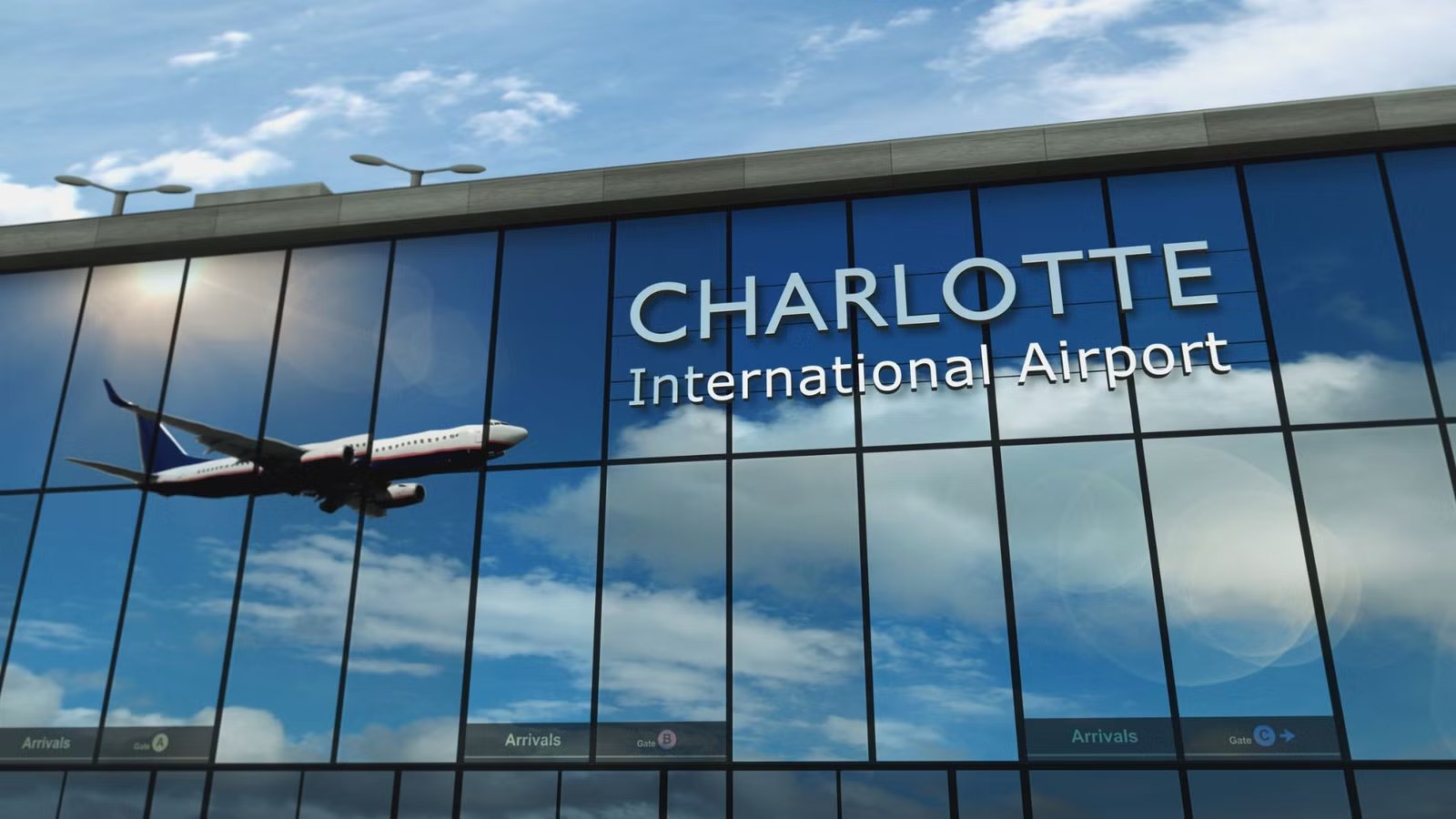
Reports claim an employee of  American Airlines was arrested after allegedly sending a bomb threat via text message while working at
  Charlotte Douglas International Airport. Authorities say the message was sent to a coworker on February 26 while both were assigned to a secured baggage area of the airport. The text prompted immediate concern and a law enforcement response. Investigators later determined the threat itself was false.
The suspect later claimed the message was intended as a joke, but officials emphasized that all bomb-related threats must be treated as credible until disproven. Airports operate under strict security protocols that require swift action regardless of intent. Even non-credible threats can result in major disruptions and legal consequences. This case highlights the serious ramifications of the misuse of emergency communications in aviation environments.
American Airlines Employee Arrested After Bomb Threat Text At Charlotte Airport

Police identified the suspect as 25-year-old Christian Cox of Gastonia, North Carolina, reports WCNC and Queen City News. According to arrest records, Cox sent a text message to a coworker stating there was a bomb inside an airport elevator. Both individuals were working in a restricted baggage handling area at the time. The recipient reported the message to a supervisor, who then contacted the police.
Police Officers were dispatched to the airport at approximately 6:45 p.m. after receiving the report. During questioning, Cox admitted to sending the message from his personal phone and acknowledged that it was meant as a joke. Despite that claim, authorities charged him with a felony false bomb report in a public building. No explosive device or evidence of a previous device was found, and no injuries were reported. Christian Cox allegedly texted a fellow American Airlines employee this message:
“Don’t be a hero, I got a bomb in the elevator RN (right now)”
False Threat Sent From Secured Baggage Area Triggers Police Response

Charlotte Douglas International Airport is one of the busiest airports in the United States, consistently ranking among the nation’s top airports by aircraft movements. It serves as a major hub for American Airlines, with hundreds of daily departures connecting domestic and international destinations. The airport handles tens of millions of passengers annually, making any security concern operationally significant. Incidents occurring in restricted areas raise heightened concern due to employee access to baggage systems, aircraft loading zones, and secure infrastructure.
Security alerts at large hub airports like Charlotte Douglas International Airport require rapid coordination across multiple agencies. Airport police, airline leadership, and federal partners must follow mandated response protocols regardless of perceived credibility. Even brief alerts can lead to inspections, temporary access restrictions, and personnel redeployment. These measures are designed to prioritize safety and threat mitigation over schedule continuity.
Employee-related security incidents are treated with particular seriousness within the aviation industry. Workers granted access to secured areas undergo background checks and recurrent security training, and violations often result in immediate suspension pending investigation. Such incidents frequently trigger parallel criminal proceedings and internal disciplinary reviews. According to court records, both individuals involved were authorized to work in secured airport zones, and American Airlines has not publicly commented as the case continues through the legal process.

Charlotte Douglas Ranked 3rd Busiest Airport For Connecting Flights
The airport only continues to grow.
“Joke” Claim Fails to Prevent Felony Charge in Airport Security Case

Making a false bomb threat is classified as a felony offense under North Carolina law when it involves public facilities such as airports. Convictions can result in prison time, fines, and long-term criminal records. Courts may also consider the cost of emergency responses when determining sentencing. Aviation-related cases often carry enhanced penalties due to public safety implications.
In recent years, law enforcement agencies have increasingly emphasized prosecution as a deterrent against hoax threats. Airports nationwide continue to invest in employee training to reinforce reporting responsibilities and consequences. Industry experts note that insider-related incidents receive heightened attention because of the potential risks involved.
Cox was processed and scheduled for a court appearance later the same day at the Mecklenburg County Courthouse. While airport operations returned to normal following the response, the case serves as a cautionary example of how quickly a single message can escalate into a serious criminal matter.