

 dailynewsnblog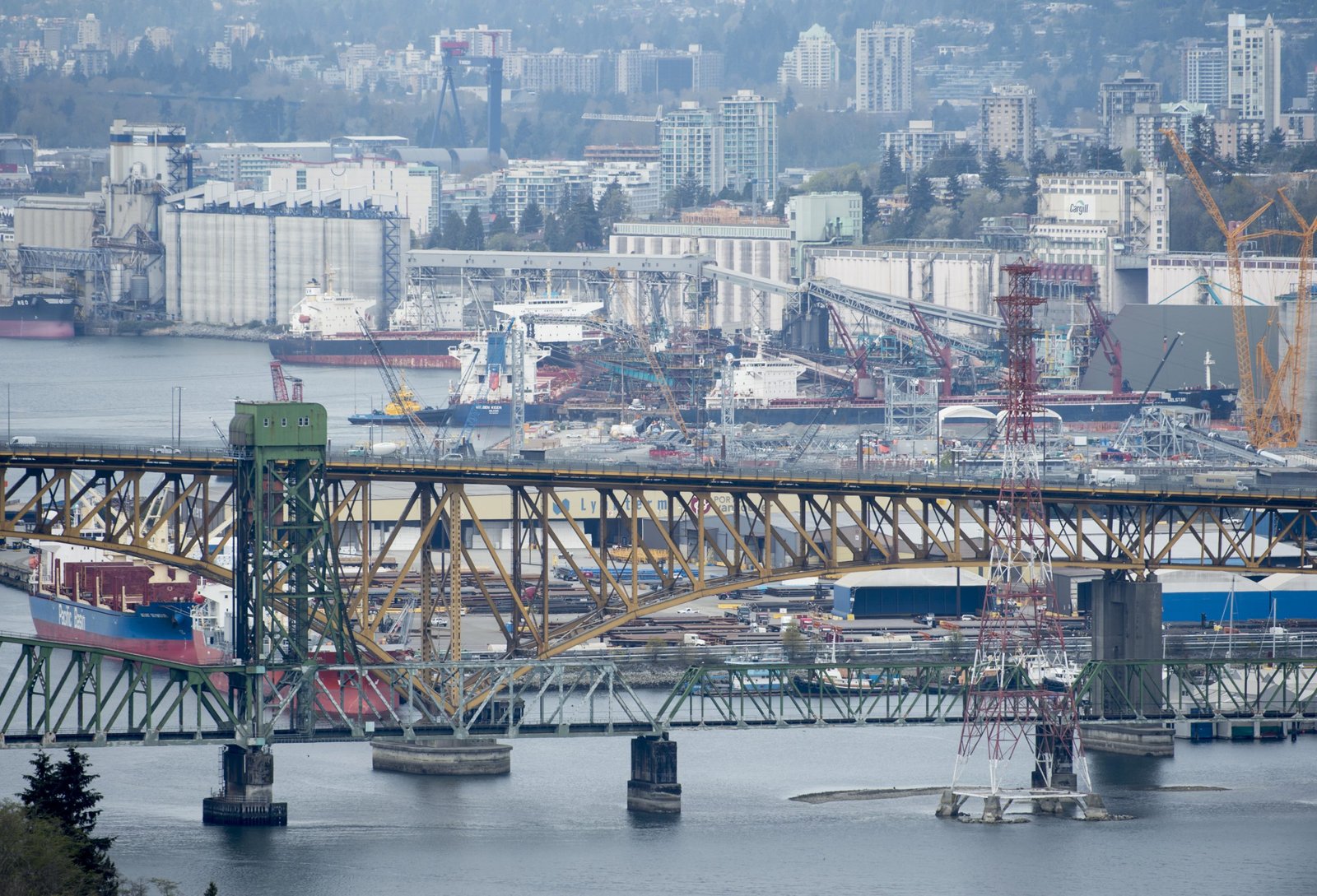
Strengthening supply chains is not a sector-specific issue; it is a national productivity imperative. Reliable transportation networks drive investment, support trade, and strengthen economic resilience. The opportunity is before us, and the time is now to act.
The Port of Vancouver, Canada’s largest gateway to global markets, ranks 389th out of 403 container ports worldwide in the World Bank and S&P Global’s 2024 Container Port Performance Index.
This week, a mechanical failure on the Second Narrows rail bridge, the only rail link to the Port’s North Shore terminals, disrupted traffic and exposed the fragility of a critical trade corridor. At the same time, the Bank of Canada has warned: “Canada’s weak productivity has persisted for 25 years. We’re less productive than other major economies, and that gap has widened since 2000, especially with the United States.”
These are not isolated incidents.
They reflect a broader structural challenge: Canada’s supply chains are underperforming, and the consequences are constraining national growth.
Canada’s geography makes moving goods inherently complex. Many industries depend on reliable transportation networks to remain competitive.
Fertilizer is a clear example. Most production occurs in Western Canada, and 75 per cent of fertilizer shipped in Canada moves by rail. The industry relies on the entire supply chain, ports, railways and trucks, to reach farmers and global markets. When these systems function efficiently, they support food production, exports, and economic growth. When they do not, the consequences are immediate and costly.
Fertilizer exports to the United States move primarily by rail and truck through the Prairie provinces and from Ontario and Quebec. International exports move through ports including Vancouver, Saint John, and Thunder Bay. Imports enter Eastern Canada via the St. Lawrence Seaway, through the ports of Montreal, Hamilton, and Quebec, as well as numerous smaller ports along the St. Lawrence–Great Lakes corridor. Containerized shipments enter via Halifax, Montreal, and on the West coast in Vancouver and Prince Rupert.
Each link depends on rail and trucking capacity to move product between manufacturing sites, distribution centres, ports, and farms. The system is deeply integrated and highly sensitive to disruption.
Labour instability remains a significant threat to reliability and to Canada’s reputation as a trading partner. Labour disruptions can halt critical transportation corridors with little notice, costing millions per day. For the fertilizer sector alone, disruptions can reach $63 million daily in lost sales revenue. While last year passed without major stoppages, several collective agreements across the rail and marine sectors recently expired or will expire this year. Waiting for a crisis before acting is not a strategy.
To strengthen the bargaining process while reducing disruptions, Canada should modernize its collective bargaining framework. This includes establishing mandatory pre-negotiated arbitration terms, integrating additional cooling-off periods, and longer minimum agreement durations to reduce bargaining frequency. International models such as the U.S. Railway Labor Act offer useful lessons, maintaining agreements beyond reopener dates and escalating disputes through mediation and arbitration before service interruptions occur.
In addition, the federal government needs a modern, Charter-compliant mechanism to protect the national economy during imminent work stoppages. Section 107, currently the government’s primary tool, faces legal and political uncertainty. Providing Cabinet with explicit statutory authority to require binding arbitration in critical transportation disputes where collective bargaining and mediation have failed, there is no reasonable prospect of settlement, and a strike or lockout is causing, or is reasonably expected to cause, significant economic harm or food security risks, would offer support and confidence to Canadian industry and our international buyers. Clear guardrails are essential to ensure constitutional validity and maintain public confidence.
Infrastructure constraints present a second major challenge. The federal government has committed to strengthening trade and transportation systems, but investments must prioritize seamless national connectivity, expanded capacity, and the removal of bottlenecks that limit competitiveness.
Rail efficiency and reliability should be a top priority. Expanding secondary tracks, called rail sidings, across the Prairies would accommodate longer trains and reduce congestion-related delays. Targeted incentive programs could help leverage private capital to accelerate these upgrades.
Ports are equally critical. Improving efficiency and expanding capacity will require unlocking investment. Options include stable baseline infrastructure funding for Canadian Port Authorities, greater borrowing flexibility, fewer restrictions on revenue generation, and, where appropriate, exploring privatization models.
Finally, regulatory reform must be part of the productivity agenda. Unnecessary rules delay investment, prolong timelines, and undermine competitiveness without improving safety or environmental outcomes. Recent proposed changes to bulk fertilizer shipment label requirements, for example, have imposed significant financial and administrative burdens without demonstrable safety gains.
Strengthening supply chains is not a sector-specific issue; it is a national productivity imperative. Reliable transportation networks drive investment, support trade, and strengthen economic resilience. The opportunity is before us, and the time is now to act.
Michael Bourque is the president and CEO of Fertilizer Canada.
The views, opinions and positions expressed by all iPolitics columnists and contributors are the author’s alone. They do not inherently or expressly reflect the views, opinions and/or positions of iPolitics.




![15-Hour Flights: Singapore Airlines’ 9 New Longest Nonstop Airbus A380 Routes [Map]](https://dailynewsnblog.com/wp-content/uploads/2026/07/shutterstock_2764064389_cropped.jpg)