dailynewsnblog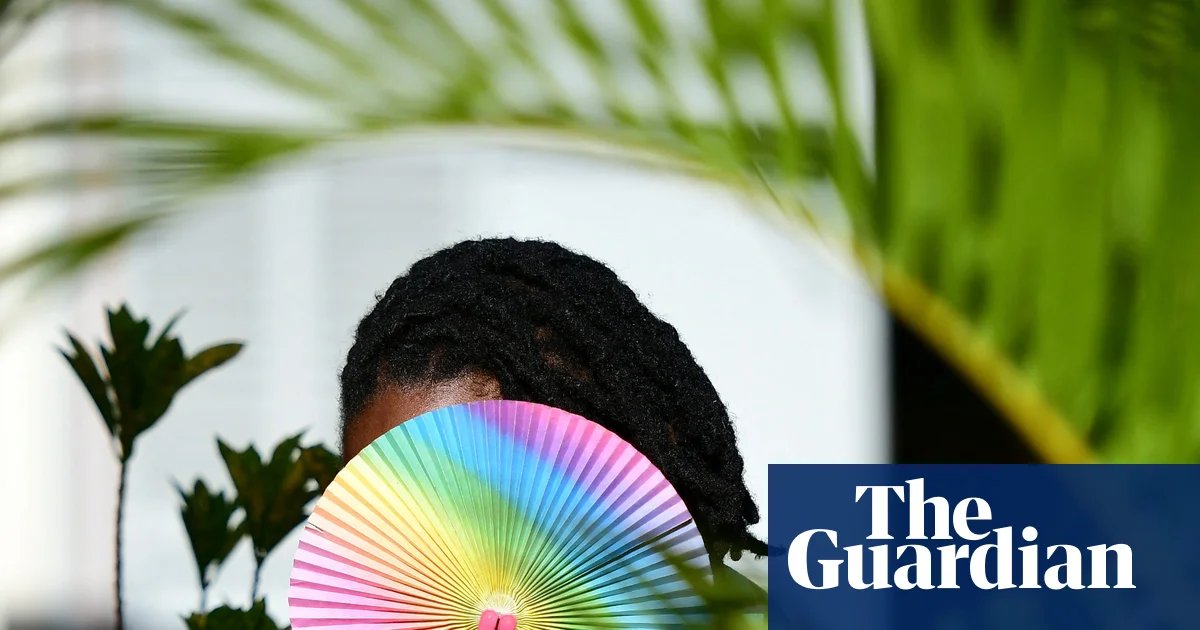
Two women have been arrested and detained in Uganda after allegedly kissing in public, an act of “same-sex activity” which can lead to a life sentence in the east African country..
Wendy Faith, a 22-year-old musician known as Torrero Bae, and Alesi Diana Denise, 21, were taken into custody after police raided their rented room in Uganda’s north-west Arua City last week.
“Information was received from the community that the suspects have been involved in queer and unusual acts believed to be sexual in nature, besides being allegedly seen kissing each other in broad daylight,” said Josephine Angucia, a police spokesperson for the West Nile region, which borders the Democratic Republic of Congo.
“It’s further alleged … that many ladies normally converge to stay at the suspects’ residence. It is upon that information that police acted by arresting the two female suspects under the allegation of practicing homosexuality,” she said.
The pair have been in custody since their arrest and it is not clear if or when they will formally be charged.
Uganda’s autocratic president, Yoweri Museveni, signed the Anti-Homosexuality Act into law in May 2023, amid international and regional outrage. One of the world’s harshest anti-LGBTQ+ laws, it includes life imprisonment for same-sex relationships and the death penalty for “aggravated homosexuality”.
Frank Mugisha, executive director, Sexual Minorities Uganda (Smug), said: “We are closely following this case and are deeply alarmed by the arrest of the two young women. This incident is unjust and deeply troubling, and it is not an isolated case.
“In recent months, we have seen a sharp and disturbing increase in similar incidents across the country, where people are being reported, targeted, harassed and arrested based solely on allegations about their identity or relationships.”
Activists have condemned the growing wave of blackmail and extortion linked to accusations and arrests, which is placing the lives of many LGBTQ+ community members in serious danger, and fuelling fear and insecurity.
Mugisha said: “The consequences for these two individuals are severe. They are already being judged and condemned by society, and cases like this send a chilling message to LGBTQ+ people across the country that their safety and dignity are under threat.”
The Human Rights Awareness and Promotion Forum reported in January that it had handled 956 cases targeting LGBTQ+ people since the implementation of the law, which affected 1,276 individuals.
Ugandan gay rights activist Hans Senfuma said: “The queer community in Uganda right now is not just afraid. We are grieving. We are grieving the freedom we never fully had. We are grieving two young women who did nothing wrong. We are grieving the Uganda we wish existed but does not yet.
In April 2024, Uganda’s constitutional court rejected a petition to overturn the bill.
“The arrest of Wendy and Diana is not an isolated incident. It is a message, loud, deliberate and brutal, sent to every queer person in Uganda: we are watching you, and we will come for you too,” said Senfuma.
“There are thousands of LGBTQI Ugandans who are silently deleting messages from their phones, moving out of shared homes, pulling away from the people they love, rehearsing how to look straight, how to laugh differently, how to survive,” he added.
Human Rights Watch in its May 2025 report, Uganda: Anti-LGBT Law Unleashed Abuse, accused authorities in the country of perpetrating widespread discrimination and violence against LGBTQ+ people in the two years since the law was enacted.
“We call on the Uganda police and political leaders to immediately stop the surveillance, harassment and targeting of individuals perceived to be LGBTQ Ugandans,” said Mugisha.
Senfuma said: “To the international community: do not look away. Do not issue a statement and move on. The funding levers exist. Diplomatic pressure exists. Use them. Two girls are facing life imprisonment. If that does not move you to action, I genuinely do not know what will.”