dailynewsnblog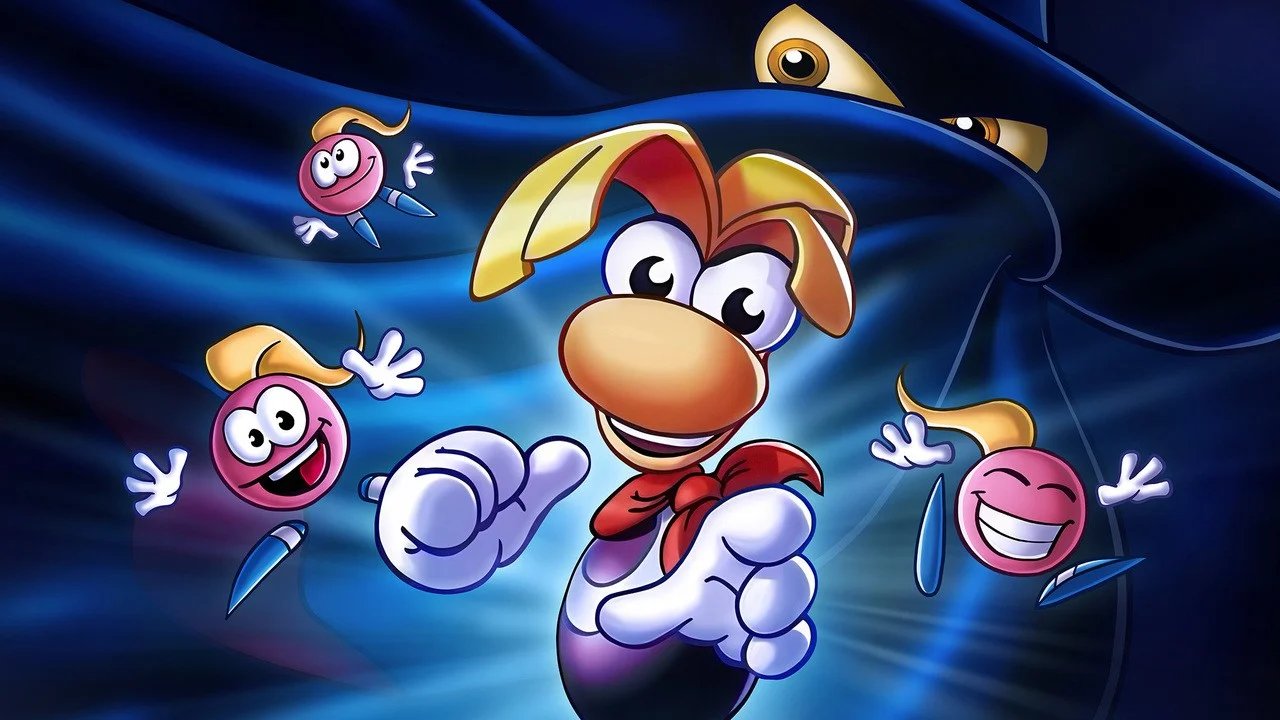
Rayman was Ubisoft’s first major commercial success, the company going public a year after its release in 1996. A PlayStation launch title, it was originally conceived for the unreleased Super Nintendo CD-ROM before being developed for Atari’s Jaguar. A fantasy platform game that pops with oil paint colour, its stages encompass themes like the musical Band Land and sugar-laden Candy Chateau.
Rayman, a limbless, affable character, seeks to save the land from Mr Dark, a nefarious sorcerer. To do this, you must free six caged Electoons on each of its 17 stages set across six different worlds. As you earn new powers of combat and scenery traversal, backtracking is necessary to find cages previously out of reach. It’s a simple platform game, but one graced with charm and affection.
Despite the number of Rayman games and spin-offs released, this collection focuses only on the initial game. It includes the PlayStation original, the Atari Jaguar release, those for the Game Boy Color and Game Boy Advance, and the MS-DOS PC version. The Sega Saturn release isn’t present. While the PlayStation and Jaguar games are largely the same, the Jaguar lacks FMV, doesn’t look or sound as good, and nerfs the ice physics – but has an Arkanoid-style minigame included. Originally, it benefited from no loading times over the PlayStation, but that’s moot here.
While Rayman still looks good, its platform collision needs learning and its impressive animation means it takes a couple of seconds to duck and perform other actions. There are also many leaps of faith involved. The Game Boy Color version is the only other game in the collection that’s totally original, and is surprisingly good despite shorter stages. The Game Boy Advance version is cropped in, but like the Game Boy Color is a little cleaner to navigate thanks to fewer animation frames. For some reason, this version suffers frame-rate issues, however.
The MS-DOS release and its add-ons are of most interest, featuring 24 additional stages designed for expert players, 40 stages designed by fans, and another 60 levels designed by Ubisoft. Elsewhere is a single-stage 1992 prototype of the Rayman’s original Super Nintendo build. There’s almost nothing to see or do and it’s over in seconds, but it’s interesting to see the game’s origin.
The package includes screen filters, cheats for every game, save states, and a rewind function. Like all Digital Eclipse releases, the History section is superb, charting every beat of its development and featuring over an hour of documentary footage.
If you’re a super fan of the original game and want every possible version of it, the package totally delivers. But considering how many Rayman games there were, including its sequels and spin-offs, it would have been nice to at least have had Rayman 2 included. The elephant in the room, however, is the absence of the original soundtracks. They have been remixed or replaced across the board with a nice composition by Rayman Origins and Legends composer Christophe Héral, likely due to Ubisoft not fully owning the rights to the original audio.