dailynewsnblog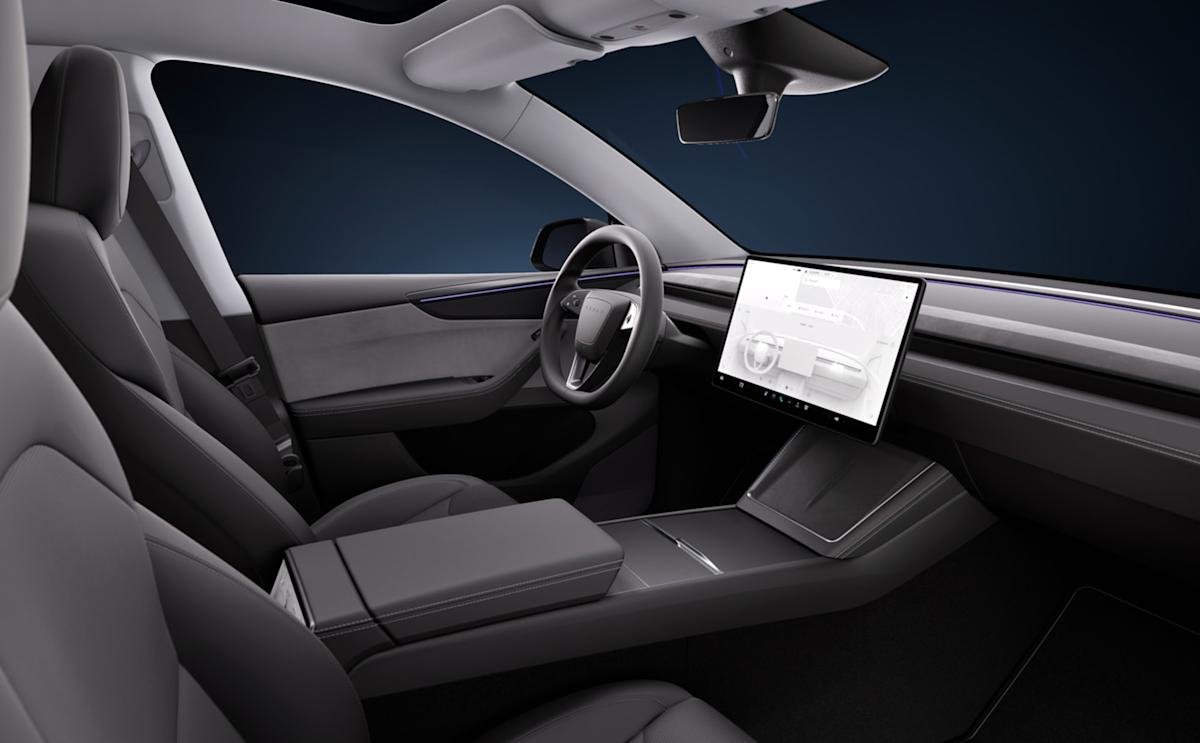
Tesla is suing California’s Department of Motor Vehicles (DMV) to reverse a ruling that prevented the automaker from using the terms “Autopilot” and “Full Self-Driving” to sell cars, CNBC reported. That follows a December ruling by a California administrative law judge that forced Tesla to clean up its marketing language or risk a suspension of its sales license. Last week, the DMV determined that Tesla had made the necessary changes, including changing the name to “Full Self-Driving (Supervised),” and that no suspension would occur.
However, if you had “Tesla is going to sue them back” in your office pool, you can go ahead and claim your prize. The company filed a complaint on February 13 alleging that the DMV “wrongfully and baselessly” called Tesla a false advertiser. Calling the order “factually wrong” and “unconstitutional,” Tesla demanded that order be set aside.
The DMV had originally argued that Tesla’s terms for its driver assistance program gave consumers the impression that its cars were safe to drive without a human at the wheel. However, Tesla said that the DMV never proved that buyers were confused and that it was “impossible” to buy a Tesla without seeing “clear and repeated statements” that its systems aren’t fully autonomous.
Tesla’s appeal of the ruling isn’t a shocker given that the company is essentially betting its future on autonomous vehicles. CEO Elon Musk has long promised buyers that its vehicles would eventually become fully autonomous and that you’d even be able to rent them out to provide robo-taxi services. “If you fast forward a year, maybe [15 months], we’ll have over a million robo-taxis on the road,” he wrongly predicted back in 2019.
Following a sales decline last year that was particularly steep in Europe, Tesla is banking on its Cybercab two-seater to boost its fortunes. The company has started limited testing of automated vehicles as part of its Robotaxi pilot in Austin, Texas.
Last week, however, Tesla lost an appeal in a $243 million lawsuit verdict over a 2019 crash of a Model S — largely over its use of the terms “Autopilot” and “Full Self-Driving.” Last month, the company canceled Autopilot, its basic of advanced driver assistance tier, on new Model 3 and Model Y vehicles and switched its FSD (Supervised) tier to subscription-only.