dailynewsnblog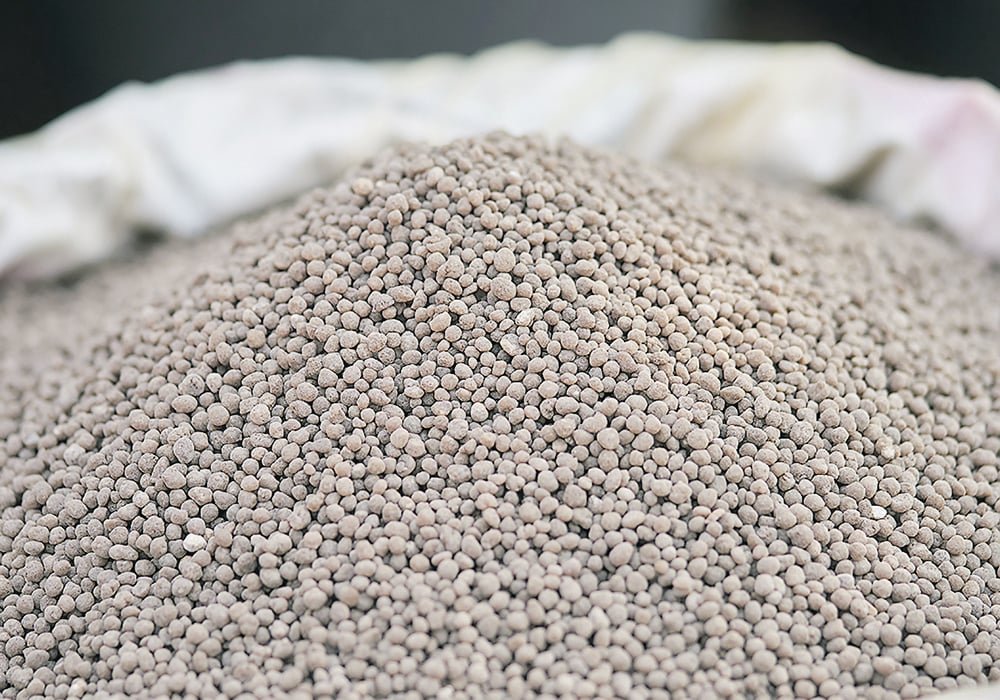
Initially rebuffed, Bloc Québécois MP Jean-Denis Garon successfully negotiated the mineral’s inclusion in the budget implementation bill.
The 2025 federal budget opened up a host of credit opportunities for companies looking to explore or develop mining projects.
The government expanded eligibility across two key areas: those working with germanium, scandium, gallium, indium, and antimony can now access the clean technology manufacturing tax credit; meanwhile, the critical mineral exploration tax credit extends to companies involved with bismuth, cesium, chromium, fluorspar, manganese, molybdenum, niobium, tantalum, tin, and tungsten.
Phosphate did not make the cut, despite having been identified as a critical mineral by the federal government in 2024.
In the House committee review of the budget implementation bill on Monday, Bloc Québécois MP Jean-Denis Garon argued phosphate is essential for the energy transition, and its exclusion from the eligibility list is probably an “unintended omission.”
Liberal MP Carlos Leitão initially rejected Garon’s proposed amendment.
“Phosphate is a mineral that’s mostly used in agriculture for fertilizer production,” he said. “Adding it to the list would create an imbalance in the whole structure for tax credits.”
Leitão said phosphate is already eligible for flow-through share tax credits, and his government believes that is enough.
Garon doubled down, insisting that it’s an essential component of technologies for energy storage and batteries, and that all critical minerals should be treated equally.
“The major phosphate projects in Quebec will be dedicated, almost exclusively, to the energy transition,” said the Bloc MP.
After analyzing the request more closely, Leitão conceded that phosphate is “very important for the energy transition” and agreed to add it to the list.
Once viewed strictly as an agricultural staple, phosphate has been propelled onto global critical mineral lists by the rapid rise of lithium iron phosphate (LFP) batteries.
Auto manufacturing, especially in China, is increasingly shifting towards LFP batteries because it is a cheaper, safer, and more durable combination than nickel-based alternatives.