dailynewsnblog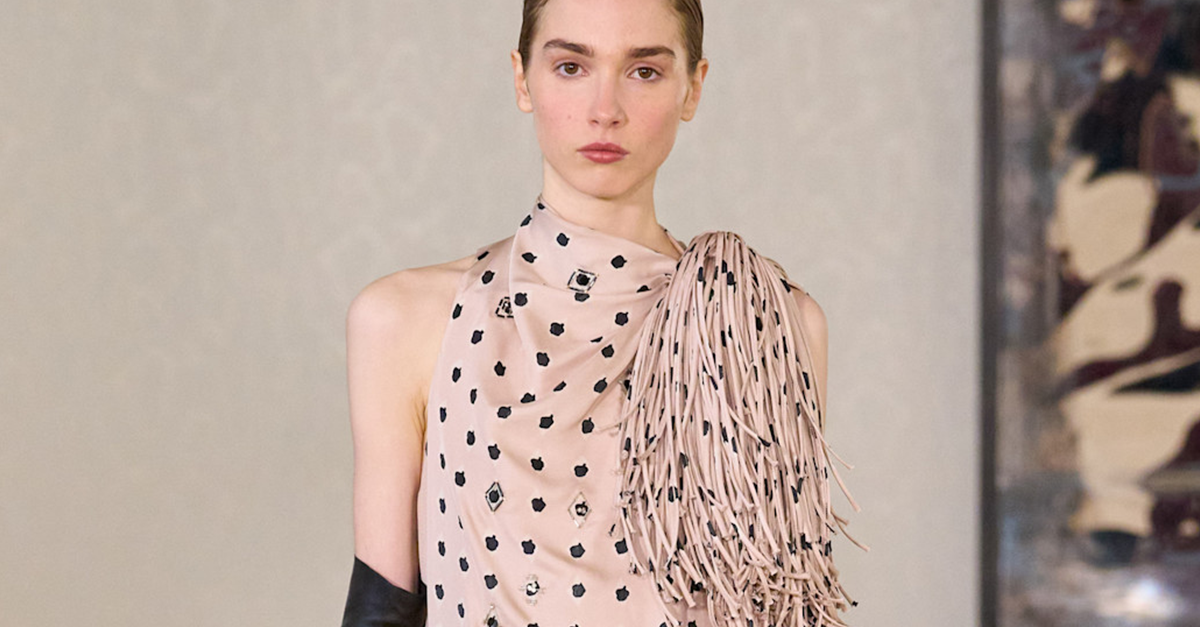
If the past few seasons belonged to stealth wealth and disciplined minimalism, New York just flipped the script. The real winner of fashion week? The printed dress—and more specifically, the floral printed dress. Not the polite, monochrome kind that sits in the background but instead the kind of dress that captures a room’s attention before you do.
After seasons dominated by oatmeal tailoring, whisper-thin knits, and the sort of pieces that telegraph taste through restraint, this season’s runways felt louder and more intentional. Designers seemed less interested in proving they could do “quiet luxury” and more invested in showing that personality still matters. If show notes placed on runway seats this season are any indication, New York Fashion Week’s finest are making clothes for the working woman—and she loves a printed maxi dress she can actually wear.

(Image credit: Launchmetrics/Spotlight; Pictured: Proenza Schouler fall/winter 2026)

(Image credit: Launchmetrics/Spotlight; Pictured: Carolina Herrera fall/winter 2026)

(Image credit: Launchmetrics/Spotlight; Pictured: Tory Burch fall/winter 2026)
Proenza Schouler leaned into pattern with the brand’s signature urban sensibility intact. The dresses moved, they caught the light with fringe and grommets, all disrupting the neutral monotony we’ve grown accustomed to. The show marks the debut of Jamaican-born designer Rachel Scott at the helm of the label. Her message was clear: Print doesn’t cancel sophistication—it amplifies it.
Similar abstract prints, both floral and not, were seen at Altuzarra, Carolina Herrera, Tory Burch, Anna Sui, and PatBo. Even Khaite, often the poster child for a restrained, cool, monochrome New York chicness, partook in the printed fun in its own way, adapting a black, yellow, and red floral print into a bateau-neck midi dress complete with an ivory ruffled hem and matching gloves. When a label synonymous with sleek restraint embraces floral motifs, you pay attention.

(Image credit: Launchmetrics/Spotlight; Pictured: Altuzarra fall/winter 2026)

(Image credit: Launchmetrics/Spotlight; Pictured: Khaite fall/winter 2026)

(Image credit: Launchmetrics/Spotlight; Pictured: Anna Sui fall/winter 2026)

(Image credit: Launchmetrics/Spotlight; Pictured: PatBo fall/winter 2026)
What makes this moment significant isn’t that florals appeared—they always do. It’s that they felt like a rebuttal. After years of algorithm-friendly beige and “if you know, you know” dressing, the printed dress reads as fashion reclaiming its right to be seen. There’s something almost rebellious about choosing a pattern when the cultural mood has rewarded understatement.
In many ways, the rise of the floral printed dress signals a broader recalibration. We’re moving away from clothes that whisper status and toward pieces that communicate identity. The anti–quiet luxury dress isn’t about opulence for opulence’s sake. It’s about personality and expression. And maybe (just maybe!) it’s about having a bit of fun again.
Consider this your permission slip to retire the head-to-toe greige and let your wardrobe bloom a little. New York’s finest have spoken. Below, shop a curated edit of printed maxi dresses.
Shop the trend

Reformation
Danica Knit Dress

Alessandra Rich
Ruffled Bow-Detailed Polka-Dot Silk Crepe De Chine Midi Dress

Proenza Schouler
Adelide Dress in Printed Silk Viscose

TOVE
Vanja Zebra-Print Stretch-Crepe Maxi Dress

Altuzarra
Drina Midi Dress


Reformation
Jazzlyn Silk Dress


Silk Laundry
1996 Dress Tulipa

Tory Burch
Printed Silk Dress

Silk Laundry
Scoop Neck Dress