dailynewsnblog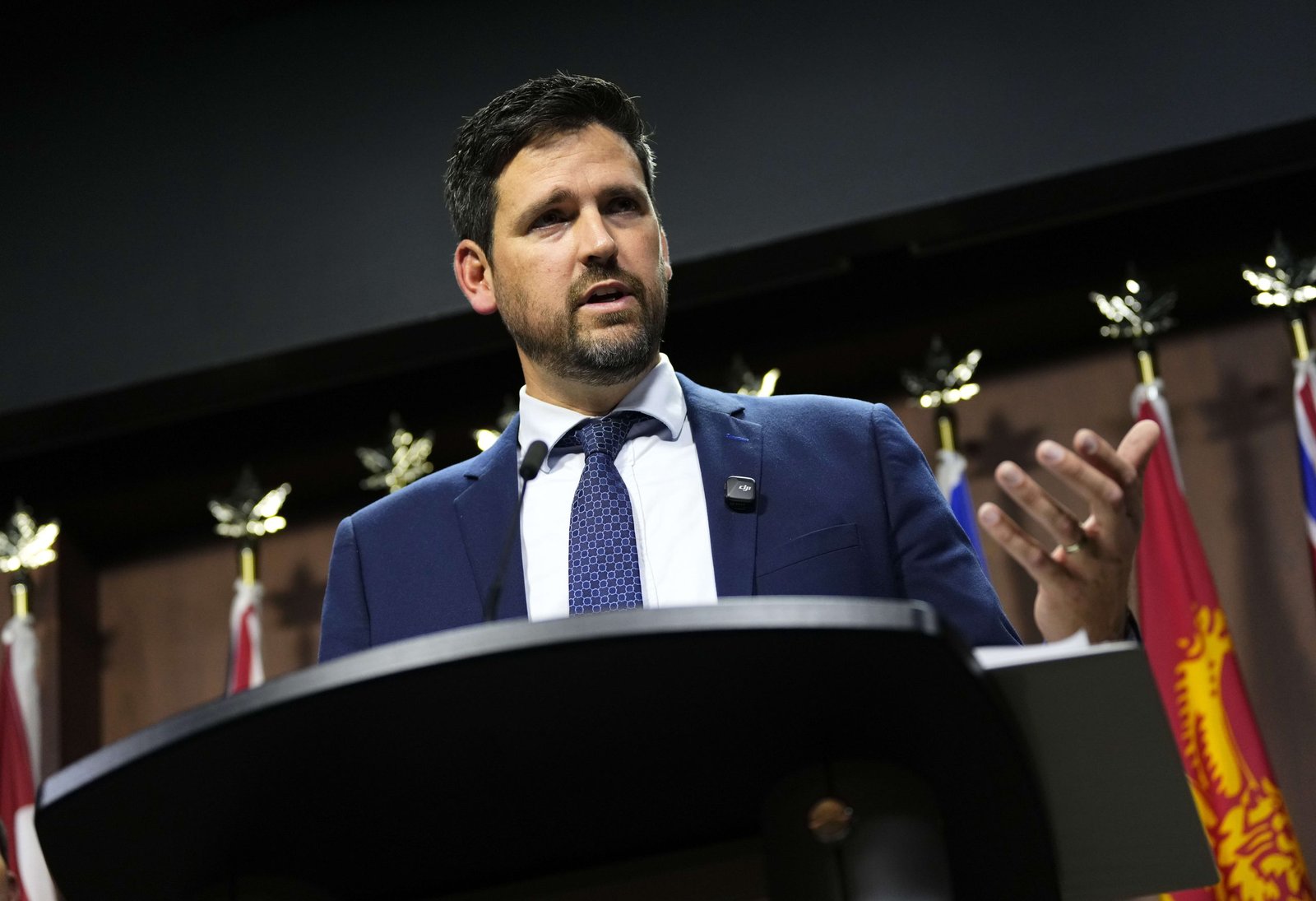
“So, for people that were raising concerns that Bill C-9 was eroding long standing protections in criminal law, the government’s own admission right now about this amendment is that nothing is changing,” said Conservative MP Andrew Lawton.
The Liberals are proposing changes to their anti-hate bill aimed at limiting the scope of a contentious amendment removing the religious beliefs exemption for the crime of inciting hate.
But it doesn’t appear as it if will be enough to win over skeptical Conservatives, who have warned that the Liberals are still not addressing their concerns about the criminalization of religious speech.
Bill C-9 has been stuck at the justice committee for months after the Liberals signalled support for the Bloc Quebecois amendment removing the exemption. The Conservatives have effectively filibustered the bill by refusing to stop debate and moving multiple points of order.
As the committee resumed clause-by-clause review on Monday, Liberal MP Patricia Lattanzio moved an amendment that she said would clarify that the legislation doesn’t apply to “worship, sermons, prayer, religious education, peaceful debate, or even the good faith of reading and discussion of religious texts.”
It states nothing in the bill should be construed as criminalizing someone for making a statement on a matter of public interest if it’s “not willfully promoting hatred against an identifiable group” or promoting anti-semitism by condoning, denying or downplaying the Holocaust.
She said the amendment was a direct response to conversations with faith communities who were concerned that removing the exemption meant “ordinary religious expression was now at risk.”
Lattanzio said the language in her amendment makes it clear that is not Parliament’s intent and the bill wouldn’t interfere with “genuine religious, academic, political or other good faith discussion on matters of public interest… unless someone is willfully promoting hatred against an identifiable group.”
“Ultimately, this bill is about protecting Canadians, including people of faith, from hate and intimidation,” she said.
“The clarifying language we are introducing this morning introduce ensures that Parliament’s intent is clear, both in the text of the law and on the parliamentary record.”
No vote was held on the amendment after the Conservatives proposed further changes. It’s expected it will be addressed when the committee meets again on Wednesday.
At its core, Bill C-9 creates new penalties to criminalize efforts to harass or obstruct access to places of worship. It comes directly from a campaign promise from the Liberals in the run-up to last year’s election, largely in response to concerns about anti-Israel protesters behaving aggressively towards Jewish residents and making chants glorifying violence against Jews.
Last month, several Jewish groups made a joint call to urge parliamentarians to quickly pass the bill, as well as create a new offence for the wilful promotion of terrorism.
The Liberals need the support of either the Bloc or Conservatives to push through legislation at committee. It’s unclear if the Liberals would move on with C-9 with only the support of the Bloc.
Justice Minister Sean Fraser said last month that said the Liberals were open to changes that would refine the Bloc amendment but accused the Conservatives of choosing to instead “obstruct” the work of the committee.
He said possible fixes included refining the definition of hate in the bill, clarifying that reading religious texts wouldn’t qualify as hate speech and changing the requirements for consent of the provincial attorney, which is required before hate speech charges are laid.
Lattanzio said her changes to the bill wouldn’t expand or lower the threshold to trigger the charge of inciting hate, nor would it offer any new free speech protections than those found in the Charter.
“Freedom of expression in Canada remains fully protected by the Charter. This is not changing,” she said.
“Canadians are free to hold and express their religious beliefs, and courts have been clear for decades that ordinary religious expression does not meet the legal test for willfully promoting hatred.”
Conservative MP Andrew Lawton questioned why the amendment was necessary if by Lattanzio’s own admission it was only maintaining the “status quo.”
He said he appreciated that the Liberals are talking to faith communities about concerns over criminalizing religious speech but these latest changes only claim that “none of this was at issue in the first place.”
“So, for people that were raising concerns that Bill C-9 was eroding long standing protections in criminal law, the government’s own admission right now about this amendment is that nothing is changing. They’re trying to pacify concerns without actually strengthening these protections in law,” he said.
Lawton moved a subamendment that states the threshold for willfully promoting hate wouldn’t be triggered if “you are expressing a matter in the public interest, including an educational, religious, political or scientific statement.”
He said it would eliminate the government’s “circular and confusing language.”
Lawton added that he was told by faith communities that the government signalled to them it was preparing an amendment to respond to their concerns about the problems created by removing the religious defence exemption.
Liberal MP Anthony Housefather urged committee chair James Maloney to call Lawton’s changes out of order because it would negate the Liberal amendment.
He also warned that Lawton’s proposed amendment “would completely change how the Criminal Code interprets what is or is not hate speech and willfully promoting hatred against an identifiable group.”
“This would essentially say anything at that point, as long as it is communicating a statement on a matter of public interest. It does not constitute willful promotion of hatred. It’s it would completely negate the Criminal Code.”
Maloney said he needed time to study the subamendment before making a ruling and ended the meeting.