dailynewsnblog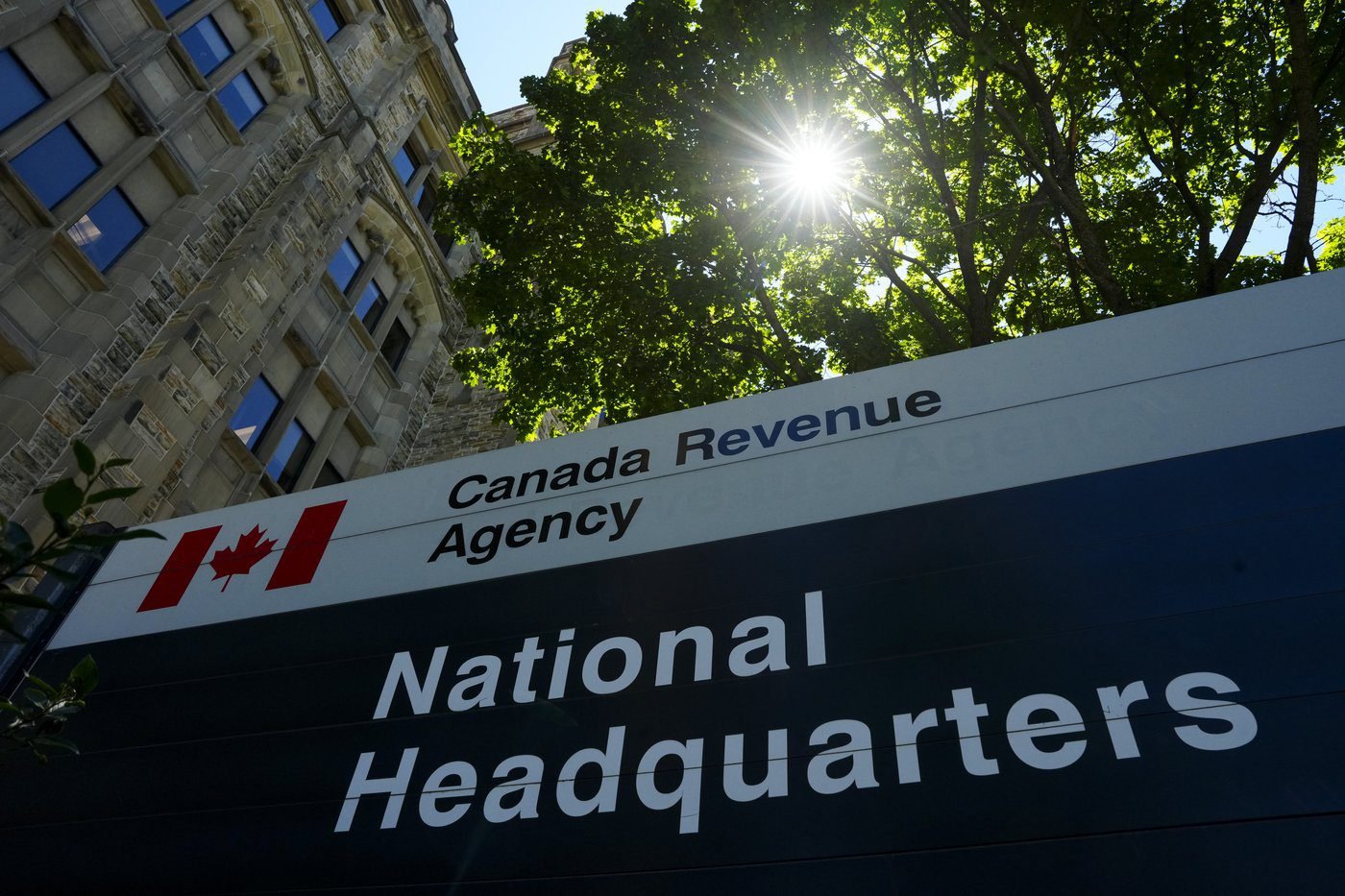
The Canada Revenue Agency says taxpayers should have an easier time this tax season, a year after it faced criticism for long wait times and, in some cases, bad advice from representatives.
The agency has revamped its operations, undertaking a government-ordered service improvement plan focused on addressing call centre delays, which wrapped up in December. Since then, it’s streamlined its websites, hired more call centre workers and rejigged standards for accuracy.
“We recognize that our service has been challenging in the past,” said Melanie Serjak, assistant commissioner of the assessment benefits and service branch at the Canada Revenue Agency.
“We’ve made many efforts to improve that service and we’ve been completely focused on improving how Canadians interact with us.”
The 2025 tax-filing season officially kicks off on Monday and continues for a little over nine weeks, ending April 30 for most taxpayers.
Many of the agency’s updates for this year centre around the CRA My Account. Taxpayers will be able to manage their balance or amount owing and set up a payment plan without speaking with a collections agent.
Serjak said correct basic information on CRA accounts — name, contact details, banking information and address — is “critical for a smooth tax-filing season,” and helps reduce the need to call when filing a return online.
Starting this year, those locked out of their CRA accounts can get access again via security questions, instead of calling the helpline and staying on hold. Those creating a CRA account for the first time won’t have to wait for days for their log-in credentials via mail — and can verify their identity via government-issued identification.
Web content should now be easier to follow and understand, Serjak said. The agency will also stop mailing paper copies of notices of assessment starting this year, shifting to online-only access.
The CRA also expanded topics on its 24-hour generative AI chatbot, launched last March, while retiring its old chatbot, Charlie. Unlike generative AI, which creates new content based on questions asked, Charlie provided answers from pre-determined scripts to assist in frequently asked questions and straightforward inquiries.
People can also chat online with an agent on weekdays between 8 a.m. ET and 8 p.m. ET, increasing the service by an extra three hours.
“A lot of our efforts have been on improving those self-serve options so that reduces the pressure on our phone lines,” Serjak said.
And if none of that helps, Serjak said there will be more agents available this year to take calls.
The agency is still working to hire an additional 1,500 call centre workers for the upcoming tax season, adding to its existing crew of 3,500 agents. However, the agency said it can’t provide final staffing numbers because the hiring is still underway.
Gerry Vittoratos, national tax specialist at UFile, said the CRA’s top priority this year should be answering calls within a reasonable time.
“The majority of the interfacing people do with the CRA is the call centre,” he said. “The CRA is basically the only place you can go to get these answers.”
Vittoratos said the agency has no option but to improve services.
“They have a big responsibility to be on the ball, essentially, to be able to provide the service that Canadians need,” he said. “It’s rightfully so that they’re under scrutiny.”
And they’re prepared for higher call volumes when the peak tax-filing season rolls in.
On average, the agents tackle about 40,000 unique calls a day during the non-tax months of October to December; however, that can climb to an average of 90,000 unique calls a day during the peak months of February to May, Serjak said.
The agency said its goal is to answer an average of 70 per cent of unique callers during the tax season.
The CRA plans on operating six days a week during the peak months, available Saturdays for phone calls between March 21 and May 2 from 9 a.m. ET to 5 p.m. ET.
Still, some people may have to wait to speak to an agent.
Serjak said the aim is to keep wait times under 30 minutes. The agency has set up a team to monitor and divert calls to the phone menu if the wait time is going to be longer than the half-hour limit.
“They can check our website for the current wait times and then determine when is the best next time to call in order to reach an agent,” she said.
The CRA faced flak last year for giving incorrect or bad advice to taxpayers calling for help.
In a scathing report published last fall, Auditor General Karen Hogan said call centres were failing to answer questions about individual taxes, estimating the accuracy and completeness of responses at just 17 per cent. The numbers were better for business tax or benefits questions, with accurate responses to those calls 54 per cent of the time, the report said.
Serjak said the agency has since beefed up its training program, revised its accuracy evaluation of agents and set up tools to see how they’re doing on the accuracy and completeness of their responses. Before an agent gets on the telephone, they go through anywhere from two to 13 weeks of in-classroom training, followed by weeks of live training on the phone alongside a more senior agent.
She added the agency has now achieved an accuracy rate of over 90 per cent as the targeted training and coaching continue.
Vittoratos said this year, inaccuracies may not be as big of a problem because last year’s tax season included massive tax-related changes, such as to capital gains taxes, which created “a perfect storm.”
Long processing times for services last year were also a cause of frustration for many and the CRA says some Canadians may still see that for certain services.
“That we recognize has been a pain point for Canadians,” Serjak said. While there has been progress, she said, “there are some longer-than-what-we-would-like timeframes.”
Certain services, such as a T1 adjustment or refiling taxes, are still seeing long wait times. For example, a refile on paper or via phone can take up to 16 weeks, while the standard timeline is eight weeks from the time the request is received, according to the CRA website.
Serjak said efforts at the CRA are ongoing and the teams are closely monitoring progress.
“We continue putting resources against that and working through our backlogs,” she said. “But we are in much better shape now than we were just a few months ago.”
While there are internal metrics to track progress, Serjak said the CRA is also planning to launch a public tracker for Canadians to follow the agency’s performance and maintain transparency.
“They can track the progress that the CRA is making on some of the improvements,” Serjak said.
This report by The Canadian Press was first published Feb. 20, 2026.
Ritika Dubey, The Canadian Press