dailynewsnblog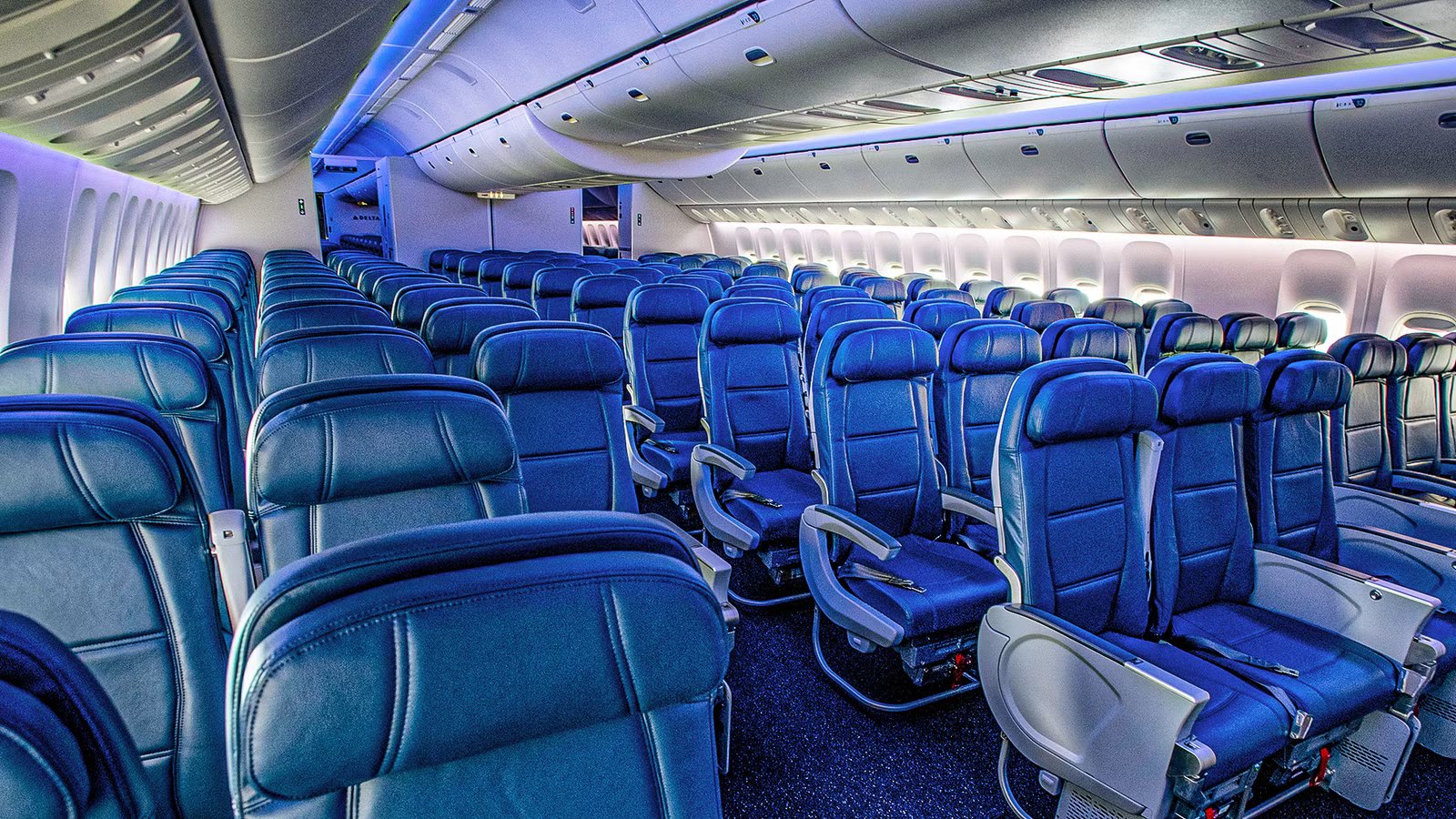
For decades, economy class cabins have steadily grown tighter as airlines continue to optimize aircraft layouts to carry more passengers. But despite this broader industry trend, some airlines have resisted shrinking their seat pitch. In 2026, the gap between the airlines offering the tightest and longest economy seats is large, with some airlines offering as little as 28 inches of pitch while the most spacious economy seats provide up to 34 inches of pitch.
While seat pitch, the distance between the same point on two seats, does not translate 100% accordingly to the most legroom, due to different factors like seat thickness, it provides a solid point of comparison between the world’s best economy airlines. For travelers flying on overnight or long-haul routes, even one additional inch of legroom or seat pitch can make all the difference between a comfortable and unpleasant journey. Today’s legroom leaders are largely concentrated among full-service carriers in Asia and the Middle East, though a few U.S. airlines remain competitive domestically.
The Airline With The World’s Longest Legroom Offering

In 2026, one airline stands above all others for economy seat pitch, offering a truly standout amount of personal space. Air Premia delivers up to 35 inches of seat pitch on select economy cabins, making it the most spacious standard economy product currently available worldwide. Based in South Korea, the exclusively Boeing 787 carrier operates using a hybrid business model that blends elements of low-cost and full-service airlines. The goal is to provide a more premium onboard experience while still maintaining relatively lower operating costs compared to traditional full-service competitors.
This industry-leading legroom is not available on all of Air Premia’s nine 787 aircraft. Rather, it is offered on one of the carrier’s three cabin layouts. With long-haul flights often exceeding ten hours, the extra space can make a meaningful difference in passenger comfort, especially for taller travelers or those hoping to catch some sleep onboard. While not every aircraft in Air Premia’s fleet features the full 35-inch pitch, all of Air Premia’s aircraft feature at least 33 inches of pitch. The airline’s decision to prioritize legroom has helped it stand out in a market where most airlines continue trending toward tighter seating layouts.
34 Inches: The Japanese Airlines Defining Spacious Economy Cabins

Sitting close to the very top of the global economy legroom rankings in 2026 are two airlines that typically deliver at least two inches more legroom than their closest competitor. All Nippon Airways (ANA) and Japan Airlines (JAL) set the standard for long-haul economy comfort in terms of legroom offered. With 34 inches of legroom as the norm on both Japanese carrier’s international economy class products, ANA and JAL significantly exceed the industry average of roughly 30 to 32 inches.
In terms of consistency, ANA offers 34 inches of legroom on nearly all of its international aircraft, excluding a small subfleet of Boeing 787-8s, as well as select Boeing 767s in premium-heavy configurations sometimes used on shorter international routes. Despite these minor inconsistencies, ANA’s most utilized long-haul aircraft, the Boeing 777-300ER and Boeing 787-9, both offer 34 inches of pitch in economy. These aircraft can be found operating most of the carrier’s international routes to Europe, North America, and beyond. Additionally, ANA’s fleet of three Airbus A380 aircraft, which are solely used on Tokyo to Honolulu services, also offer 34 inches of legroom, ensuring a comfortable experience for all passengers traveling to or from Japan.
On the Japan Airlines side, finding an aircraft with the carrier’s 34-inch legroom offering can require more careful aircraft selection, though it is still widely available across JAL’s core long-haul fleet. All ten of Japan Airlines’ Boeing 777-300ER aircraft offer 34 inches of legroom, along with a sizable portion of JAL’s 787-9s. Even the carrier’s long-haul aircraft without 34 inches of legroom still offer an impressive 33 inches, an amount passengers flying on Japan Airlines’ newest A350s can expect, as well as the remainder of the airline’s 787-9 fleet. While modest compared to the legroom on the Boeing 777-300ER, all of Japan Airlines’ international aircraft remain above average globally in terms of legroom.
Other Airlines With Strong Long-Haul Legroom Performance

Just behind Japan Airlines and ANA is a strong second tier of airlines delivering approximately 32 inches of economy legroom, still above industry average and adequate for long-haul comfort. This includes airlines like  Emirates, Cathay Pacific,
  Singapore Airlines, and JetBlue. These airlines, most of which, except JetBlue, operate routes stretching 10 hours or more, making above-average legroom a big perk for economy passengers.
Cathay Pacific and Singapore Airlines consistently rank among the world’s best economy experiences. Rated number one and number three, respectively, at the 2025 Skytrax Awards, both airlines offer 32 inches of legroom on nearly all of their widebody aircraft. Further adding to the economy experience on Cathay Pacific and Singapore Airlines are strong seat ergonomics, with both carriers offering seats with between five and six inches of recline, almost as much as some of the world’s best premium-economy products. The hard product of the seat combined with strong inflight service make the economy experience on these two airlines even stronger than just 32 inches of seat pitch.
Meanwhile, Emirates, in particular, often competes directly with the Japanese carriers in overall comfort perception. All the airline’s aircraft, including its 615-seat A380, offer 32 inches of pitch in economy. This spacious economy offering integrates seamlessly with the airline’s premium-feeling cabins across all classes, helping to elevate its standard economy product. Several other airlines also offer the same generous legroom in economy, like EVA Air and Qantas, although the number of airlines in the 32-inch club remains small.

5 Most Superior Long-Haul Economy Seats You Can Book Today
Discover the unexpected comfort hiding in these long-haul economy seats.
US Airlines Remain Limited In Legroom Offerings

When compared to the global leaders in economy legroom, within the United States, most airlines offer much more compact economy offerings. Legacy US airlines like  Delta Air Lines,
  United Airlines, and
  American Airlines find themselves offering a very average amount of legroom in economy, typically around 31 inches. However, one airline stands out, offering legroom comparable to what passengers can find on the world’s best long-haul international airlines.
Among US Airlines, JetBlue offers the most legroom, with 32.3 inches of pitch on all of its aircraft. What makes this special is that where ANA, Japan Airlines, and other airlines with 32+ inches of legroom offer it on international widebody aircraft, JetBlue does so on its fleet that consists entirely of narrowbodies. This means passengers on all of JetBlue’s routes, from 40-minute shuttle services from New York to Boston or transatlantic hops to London, can enjoy the carrier’s long legroom offering. However, JetBlue notably has plans to dramatically decrease its legroom offering on all aircraft, reducing seat pitch from 32 inches to 30 inches to make room for its new domestic first class product.
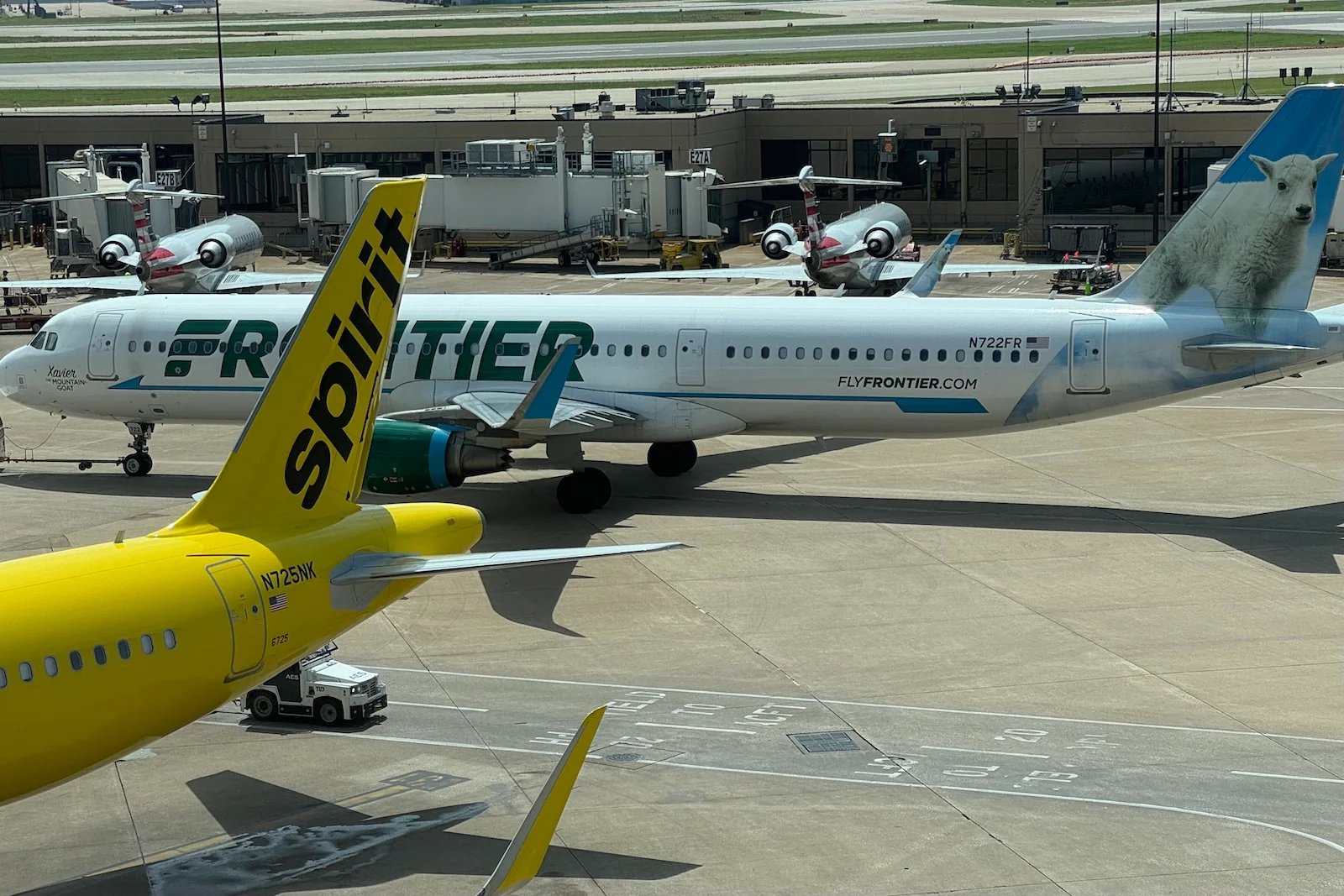
Other than JetBlue, most other American carriers offer 31 inches or less in terms of seat pitch. Most full service airlines, including the legacy airlines,  Alaska Airlines, Hawaiian Airlines, Breeze Airways, and others offer 31 inches as a standard. Low-cost or budget carriers in the US, like Spirit Airlines and Frontier Airlines, typically offer around 28 to 29 inches of seat pitch, a far cry from the 34-inch leaders, but an expected tradeoff for the airlines’ lower prices.
Why Average Legroom Stays Tight Around The World

Despite the strong performance of select airlines, the broader industry trend continues toward tighter, not more spacious, economy seating. Over several decades, the average economy seat pitch has steadily declined as airlines attempt to balance passenger demand with rising operational costs. Higher fuel prices, aircraft costs, and competitive environments put greater pressure on airlines to maximize revenue on each flight, often meaning adding more seats to aircraft at the cost of legroom.
Ultra-low-cost carriers have pushed this trend even further. Some operate aircraft with as little as 28 inches of seat pitch, prioritizing the quantity of passengers they can fit on their aircraft. For example, budget carrier easyJet fits 235 economy seats with 28 inches of pitch on its Airbus A321neo aircraft, whereas on the same aircraft, JetBlue offers 200 seats with 32 inches of pitch. For EasyJet, those 35 extra seats mean 35 additional passengers who will pay the base fare as well as additional fees to bring a carry-on or buy a meal onboard, increasing the airline’s total revenue per aircraft.

The Airlines With The World’s Widest Economy Seats In 2026
Beyond some Asian airlines, the best way to get extra space between other economy class passengers is to focus on the aircraft type.
Innovating Economy Cabins For Greater Passenger Comfort

While seat pitch remains a critical metric for passenger comfort, airlines are increasingly using design innovation to improve the travel experience without dramatically changing pitch. For example, over the past decade, seatbacks have become thinner than ever. While some of these thinner seats do give up some padding, most passengers don’t notice a difference between newer-generation and older-generation seats in that regard. Where they do notice a dramatic difference is in the space for their knees. Newer economy seats often have redesigned tray tables and repositioned storage pockets that allow manufacturers to make seats thinner in the lower area where a passenger’s knees would be, making the amount of legroom feel longer when in reality the seat pitch has not changed.
In addition, cabin layout strategy also matters. Airlines like Japan Airlines, which already offer industry-leading legroom, invest even more in the economy experience by decreasing seat density on its aircraft. For example, on JAL’s 777-300ER aircraft, the carrier offers a nine-abreast seating configuration where almost all other airlines squeeze ten seats across. This is also seen on the airline’s 787 aircraft, where economy is arranged in a 2-4-2 layout rather than the standard 3-3-3 one. This allows Japan Airlines to offer seats that are 18 inches or wider, a very noticeable and welcome improvement on long-haul flights.
Looking to the future, several companies are looking to upend the definition of economy class travel in the 21st century. For example, prototypes for double-decker economy seats, ones which would see increased seat pitch and recline for travelers without sacrificing capacity for airlines, have taken over headlines. New designs like these promise to push what’s possible for economy travel in ways beyond simply increasing the spacing between rows of seats.
Overall, 2026’s leaders in economy legroom remain consistent with past years, with JAL, ANA, and the likes of Emirates and Singapore Airlines still defining the global gold standard. In 2026, legroom remains a powerful differentiator, exemplified further by the number of airlines increasing their extra legroom and premium economy cabins in recent years. For now, when it comes to the longest legroom, only a handful fo airlines continue to prove economy doesn’t have to mean cramped travel.