dailynewsnblog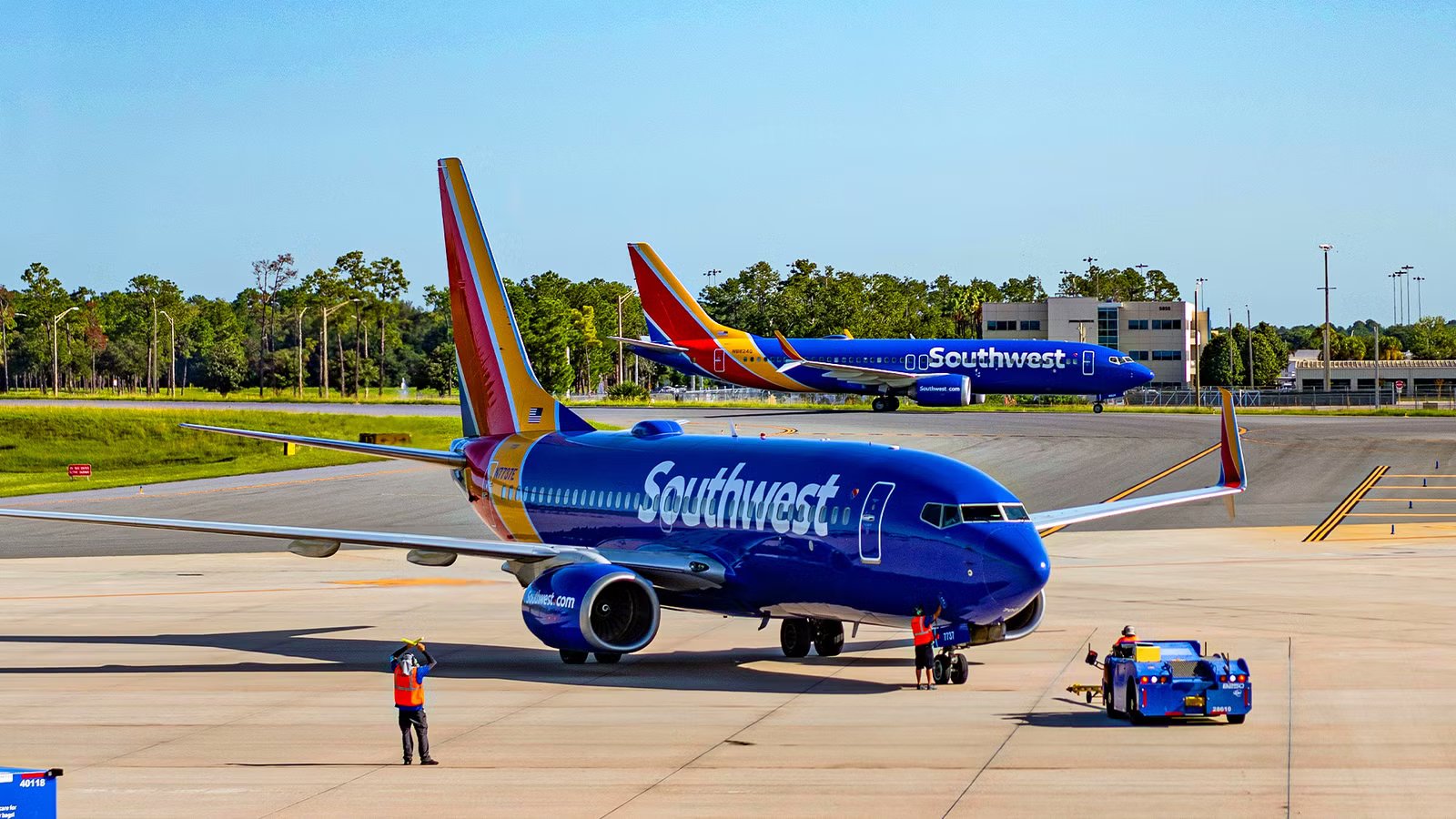
For years, inflight WiFi has been one of the most frustrating parts of modern air travel. Connections were often slow, expensive, and unreliable, leaving passengers unsure whether they could actually work, stream, or even send messages once the aircraft left the ground. As technology has improved and passenger expectations have changed, airlines have been pushed to rethink what onboard internet should look like, turning connectivity into a much bigger part of the overall flying experience.
Now,  Southwest Airlines is joining a growing group of carriers investing in next generation inflight internet by adding Starlink to its fleet. The move comes during a period of broader change for the airline and reflects an industry-wide shift toward faster, more reliable WiFi as a standard feature rather than a premium extra. With more US airlines adopting similar technology and free WiFi becoming increasingly common, travelers may finally be seeing a meaningful improvement to one of flying’s most criticized amenities.
About Southwest Airlines

Southwest has long positioned itself as one of the most recognizable low-cost carriers in the US, built around a simplified operating model and a strong focus on customer-friendly policies. Founded in the early 1970s, the airline grew rapidly by offering affordable fares, high aircraft utilization, and a straightforward service model that avoided many of the complexities associated with traditional network carriers. Its point-to-point route structure, rather than a heavy hub-and-spoke system, allowed Southwest to operate frequent flights while keeping turnaround times short and operational costs relatively low.
One of the defining characteristics of Southwest’s brand has been its commitment to simplicity. The airline operates an all-Boeing 737 fleet, which streamlines maintenance, training, and scheduling. Unlike many competitors, Southwest built a loyal customer base through policies such as free checked bags, no change fees, and open seating, all of which helped distinguish it from other US carriers that increasingly adopted layered pricing models and additional fees. The airline’s reputation for friendly service and a more relaxed onboard atmosphere also became a core part of its identity.
In recent years, however, Southwest has faced growing pressure from both ultra-low-cost carriers and legacy airlines expanding their low-fare products. As passenger expectations evolve and competitors invest in cabin upgrades, connectivity, and onboard amenities, Southwest has gradually introduced new features while trying to preserve the simplicity that defined its success. This balance between modernization and maintaining its traditional brand identity helps explain why any new inflight addition tends to draw strong attention from passengers and industry observers alike.
Recent Changes At Southwest

In recent years, Southwest Airlines has begun making some of the most significant changes in its history, signaling that the airline is moving away from several policies that once defined its brand. One of the biggest shifts has been the move away from its iconic open boarding process, a system that for decades set Southwest apart from nearly every other major carrier in the United States. The boarding method was closely tied to the airline’s identity, emphasizing simplicity and fast aircraft turns, but changing passenger expectations and competitive pressure have pushed the airline to rethink long-standing practices.
Another major change has been the gradual move away from the airline’s free checked bag policy, which was often highlighted as a key differentiator in advertising. For many travelers, free bags represented a clear value advantage compared to competitors that charged additional fees. Adjusting this policy marks a major cultural shift for the airline and reflects broader industry trends where ancillary revenue plays a growing role in profitability. While these decisions have generated strong reactions among frequent flyers, they also show the airline attempting to adapt to a more competitive and cost-sensitive market environment.
Taken together, these changes point toward a broader transformation underway at Southwest. The carrier is balancing its legacy as a simple, customer-friendly airline with the financial realities of modern airline operations. As the company introduces new products and adjusts its long-standing policies, it is clear that Southwest is actively reshaping its strategy for the future, which helps explain why passengers are paying close attention to any new inflight additions or onboard upgrades.

United Airlines Installs Starlink WiFi On 300 Aircraft, Sets Goal For 800 By Year’s End
With the regional fleet fully-equipped, mainline aircraft are up next.
Southwest Adds Starlink To Its Fleet

Southwest recently announced that it will begin equipping its aircraft with Starlink inflight connectivity, marking one of the most significant onboard technology upgrades in the airline’s history. The rollout represents a major shift in how Southwest approaches passenger connectivity, moving toward a next-generation satellite internet system designed to deliver faster and more reliable service across its network.
For Southwest, the decision reflects growing demand from passengers for dependable inflight internet that supports everything from messaging to streaming and remote work. Inflight connectivity has evolved from a niche feature into something many travelers now expect as a standard part of the flying experience. Southwest is signaling that connectivity is becoming a core part of its product offering rather than an optional extra.
The move also fits into the airline’s broader period of transition. As Southwest continues adjusting long-standing policies and modernizing its onboard experience, adding Starlink is a noticeable investment aimed at improving passenger satisfaction without fundamentally changing the airline’s simple cabin model. The introduction of this technology sets the stage for a deeper discussion about what Starlink is and why so many airlines are beginning to view it as the future of inflight WiFi.
About Starlink Wifi

Starlink is a satellite-based internet system developed by SpaceX that uses a large network of satellites operating in low Earth orbit to provide high-speed connectivity. Unlike older satellite internet systems that rely on a smaller number of satellites positioned much farther from Earth, Starlink’s low orbit network allows data to travel shorter distances. This significantly reduces latency and helps deliver faster, more responsive internet performance, which is particularly important for real-time applications like messaging, video streaming, and virtual meetings.
Traditional inflight WiFi systems often rely on geostationary satellites positioned high above the planet, which can lead to slower response times and occasional service interruptions depending on aircraft location and network demand. Starlink’s approach uses thousands of smaller satellites moving across the sky, allowing aircraft to maintain more continuous coverage as they travel. For passengers, the result is typically smoother browsing, quicker page loading, and a more reliable connection throughout the flight compared to earlier inflight internet technologies.
As airlines look to modernize the passenger experience, Starlink has gained attention because it addresses one of the most common complaints about inflight WiFi: inconsistent performance. The system’s ability to deliver higher bandwidth and lower latency makes it especially attractive for carriers that want connectivity to feel closer to ground-based internet. This explains why more airlines, including Southwest, are beginning to adopt the technology as they invest in long-term improvements to onboard connectivity.

Joke WiFi Name On Wizz Air Flight To Israel Triggers Fighter Jet Response
Prank Wi-Fi hotspot name on a Wizz flight to Israel sparked a fighter jet escort before landing safely, highlighting strict aviation security protocol
Other US Airlines Committed To Starlink

Southwest Airlines is not alone in adopting Starlink technology. Several other US carriers have already committed to integrating the system, including  United Airlines, JSX, and Hawaiian Airlines. Each airline has positioned the upgrade slightly differently, but the common theme is clear: carriers are looking for faster, more reliable inflight internet that can meet growing passenger expectations. By adopting Starlink, these airlines are betting that improved connectivity will become a key differentiator in customer experience.
For airlines like United and Hawaiian, the decision aligns with broader investments in long-haul and premium travel, where passengers increasingly expect seamless internet access throughout the flight. JSX, which markets itself as a more premium alternative to traditional commercial flying, has also embraced Starlink as part of its customer-focused product strategy. The growing list of adopters shows that Starlink is quickly moving from an experimental technology to a mainstream option for airline connectivity.
Meanwhile, other major US carriers have taken a different approach. Both American Airlines and Delta Air Lines currently offer free onboard WiFi in many cases, but those systems do not use Starlink technology. Instead, they rely on other satellite providers and infrastructure. While free WiFi has become an important competitive feature, the technology behind it varies significantly between airlines, meaning performance and reliability can differ even when the service is marketed similarly.
Take Away

For passengers, the expansion of Starlink and other high-speed inflight WiFi systems is ultimately a clear win. For years, onboard internet was often slow, inconsistent, and expensive, making it difficult to rely on for anything beyond basic messaging. As more airlines invest in newer connectivity technologies and improve overall performance, travelers are beginning to see inflight WiFi move closer to the experience they expect on the ground. The growing competition between airlines to offer faster and more reliable internet is helping drive this progress forward.
At the same time, free inflight WiFi is becoming increasingly common across US carriers, signaling a larger industry shift. While not every airline is using the same technology, the overall trend is clear: connectivity is no longer viewed as a niche add-on but as a core part of the passenger experience. With more airlines adopting high-quality systems and reducing or eliminating WiFi fees, this is one of the rare situations where passengers genuinely benefit from airline competition. For travelers, it is a simple takeaway. Better internet, wider availability, and fewer paywalls mean that, for once, the industry’s changes are landing squarely in their favor.