dailynewsnblog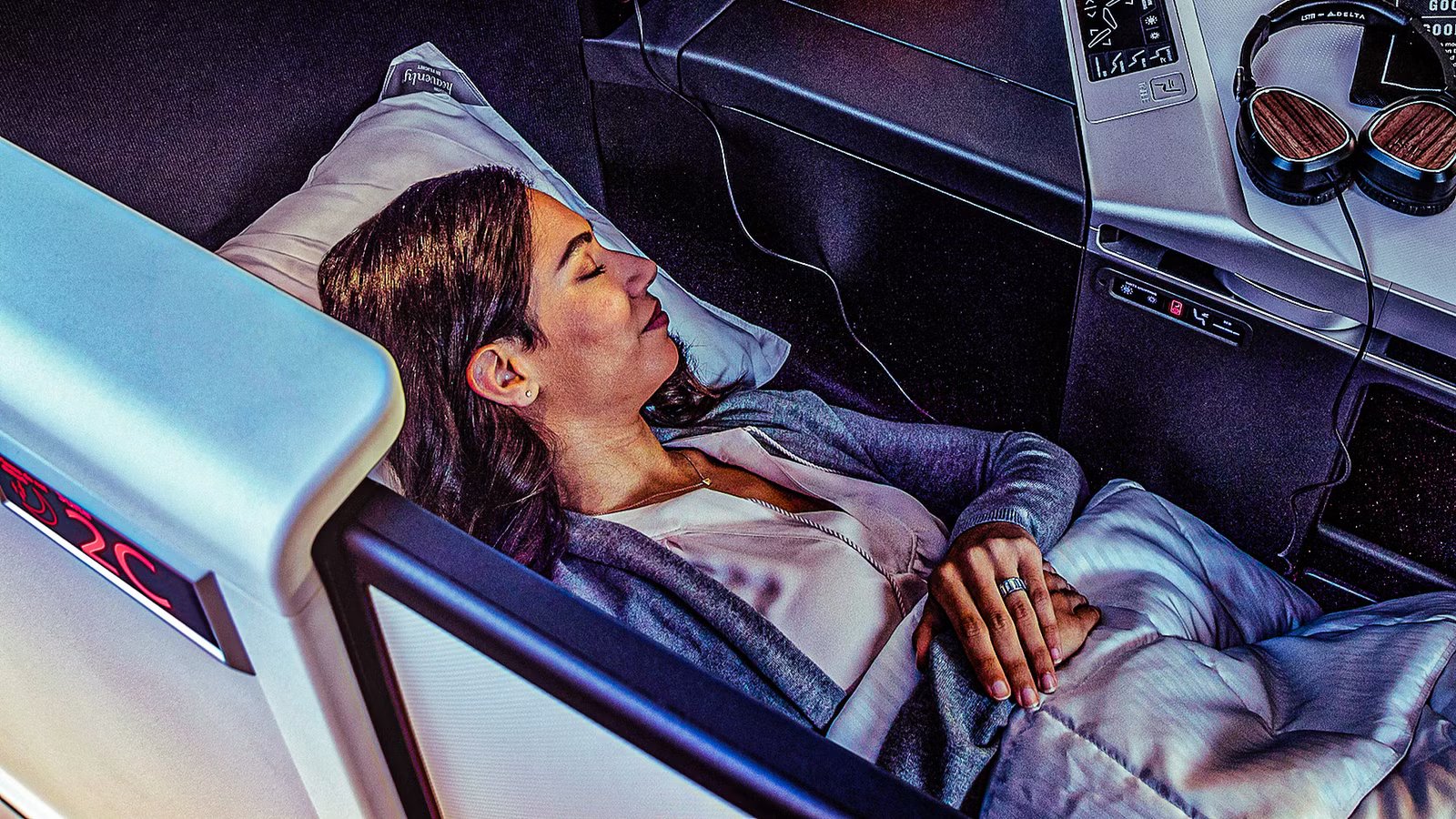
Airlines have spent years refining how they price and package their cabins, creating more fare categories that allow passengers to choose between flexibility and cost. What once began as a response to low-cost carriers has evolved into a highly segmented system in which even premium cabins are divided into multiple pricing tiers. Now,  Delta Air Lines is taking that strategy one step further as it prepares to launch a new business class experience in 2026, signaling another major shift in how legacy airlines sell their most profitable seats.
The move reflects a broader trend in airline economics where premium products are no longer simply about luxury, but about offering different levels of access within the same cabin. From basic economy to newer restricted premium fare options, airlines are finding ways to attract more price-sensitive travelers while protecting higher-yielding tickets. Understanding why Delta is making this change requires looking at how fare structures have evolved, how competitors have responded in the past, and how the next phase of premium travel could reshape business class altogether.
About Delta One

Delta Air Lines markets its long-haul business class product under the name Delta One, which represents the airline’s highest level of international passenger service. Introduced as a replacement for the carrier’s previous BusinessElite branding, Delta One is designed primarily for long-haul and premium transcontinental routes where travelers expect lie-flat seats, enhanced dining, and elevated onboard service. Over time, the product has evolved from traditional angled business class seating to a fully flat bed experience, competing directly with premium cabins offered by other global network carriers.
A major shift came with the introduction of the Delta One Suite, which debuted on the airline’s Airbus A350 fleet and later expanded to other widebody aircraft. The suite concept introduced sliding privacy doors, direct aisle access for every passenger, larger entertainment screens, and additional personal storage space. This marked a significant step forward for Delta, aligning the airline with industry trends that emphasize privacy and personal space as key differentiators in modern business class design. Depending on aircraft type, Delta One cabins may vary slightly in layout, but the core experience centers around lie-flat seating, premium bedding, upgraded meals, and dedicated cabin service.
Beyond the seat itself, Delta One is positioned as a complete premium travel experience that extends beyond the aircraft. Passengers often receive priority check-in, expedited security access where available, lounge access at select airports, and enhanced onboard amenities. As competition in the premium travel segment continues to grow, Delta One has become a central part of the airline’s revenue strategy, helping attract both high-yield corporate travelers and leisure passengers willing to pay for increased comfort on long flights. The product’s continued evolution reflects broader industry pressure to continually modernize business class offerings as passenger expectations rise.
About Basic Fares

The rise of low-cost carriers in the United States, particularly airlines like Spirit Airlines, forced major network airlines to rethink how they priced economy travel. These carriers attracted price-sensitive passengers by offering extremely low base fares while charging extra for nearly everything else, from seat selection to baggage. In response, legacy airlines introduced basic fare products to compete at the bottom of search results without lowering the price of their standard economy tickets. The goal was not to replicate the full low-cost model, but to offer a stripped-down option that allowed large airlines to get closer to advertised prices while protecting higher-yielding fares.
Basic fares are intentionally restrictive and designed to encourage passengers to pay more for flexibility. While exact rules vary by airline, these tickets often include limitations such as no advance seat assignment, reduced change flexibility, and restrictions on upgrades or loyalty benefits. Baggage rules also differ. Carriers like United Airlines apply stricter carry-on rules than competitors.
From the airline perspective, basic fares serve two purposes. First, they help defend market share against ultra-low-cost competition by keeping headline prices competitive. Second, they create clear pricing tiers that encourage travelers to upsell into standard economy or premium cabins for additional comfort and flexibility. Over time, this segmentation strategy has allowed network airlines to push further into both ends of the market, offering highly restrictive entry-level fares while simultaneously investing in premium experiences such as business class and premium economy.

What It Costs To Fly Business Class On The World’s Longest Airbus A330 Routes
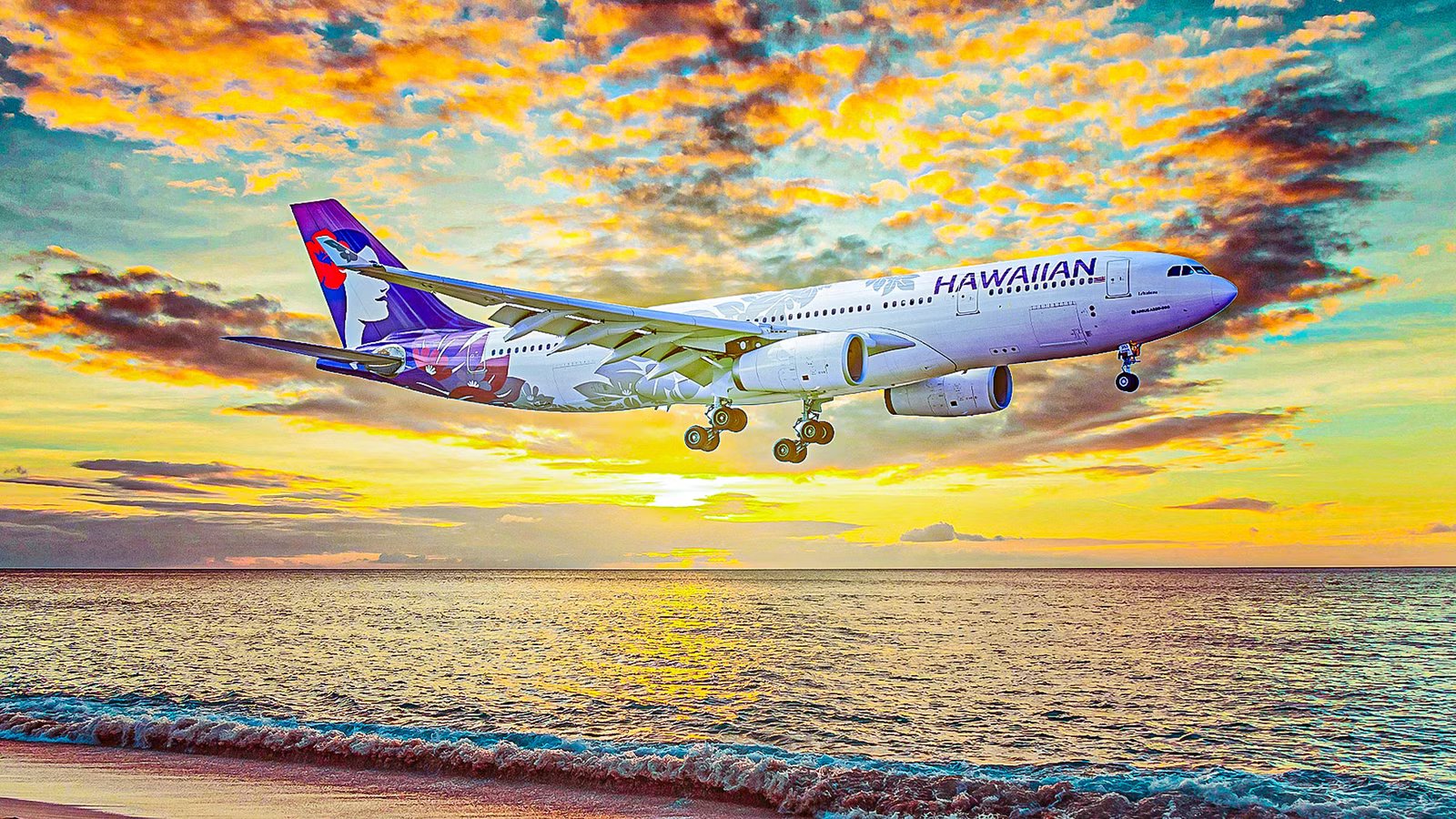
While smaller than many of the leading widebodies today, the A330 remains a true utility for some of the longest routes available.
Delta Basic Comfort+

Last year, Delta Air Lines introduced a new fare tier called Delta Basic Comfort+ on select routes, expanding its fare segmentation strategy beyond standard economy. According to the airline, the new option performed slightly better than expected during its early rollout, suggesting there is demand for a lower-priced entry point into the Comfort+ cabin. Prior to this change, Delta primarily offered Comfort+ fares under two categories, Comfort Classic and Comfort Extra, with the key difference being flexibility, as Comfort Extra tickets included additional benefits such as refundability.
Delta Basic Comfort+ maintains the extra legroom and cabin location of Comfort+, but introduces several restrictions that align it more closely with the airline’s basic economy philosophy. Passengers booking this fare can expect limits such as seat assignments only after check-in, which often result in less desirable seating, like middle seats. The fare also includes reduced mileage earning, no eligibility for complimentary upgrades, and restrictions on itinerary flexibility compared to higher fare classes.
Additional limitations include cancellation options that may involve fees, no access to same-day confirmed flight changes, and no same-day standby privileges. Travelers booking this fare also cannot purchase upgrades after ticketing, further reinforcing the product’s position as a lower-cost, more restrictive entry point. The introduction of Delta Basic Comfort+ reflects how airlines are increasingly applying layered pricing strategies even within premium economy-style cabins, offering passengers more price choices while carefully controlling access to flexibility and elite benefits.
Delta Basic Business

More recently, Delta Air Lines announced plans for a new Basic Business fare, extending its growing tiered fare structure into the airline’s premium cabins. While Delta has not yet released full details on how the product will be structured, the concept follows the same logic as basic economy and Basic Comfort+ fares. The goal is likely to offer a lower entry price into business class while introducing restrictions that protect higher-yielding, more flexible tickets.
Although specifics remain unconfirmed, industry observers expect Basic Business to include limitations similar to other basic fare types. These could include reduced flexibility around changes and cancellations, limited or delayed seat assignments, restrictions on same-day confirmed changes or same-day standby, and reduced mileage earning compared to standard Delta One fares. There is also the possibility that some traditional business class benefits may be reduced, such as lounge access or more generous checked baggage allowances. However, Delta has not formally outlined which perks will remain included.
The introduction of a Basic Business option reflects a broader trend among airlines toward finer segmentation within premium cabins. By separating core seating from flexibility and perks, airlines can attract more price-sensitive travelers while preserving higher fare categories for corporate and high-yield customers. If the strategy performs well, it would be reasonable to expect Delta to eventually introduce a similar structure in premium economy, creating a full ladder of basic fare options across nearly every cabin class.

How Much Does It Cost To Upgrade To Business Class At Check-In?
Upgrading to business at airports is a strategy that can work, but comes with its own risks.
Will United And American Follow?

Whether other major US carriers will introduce similar products remains unknown, but aviation history suggests that successful ideas rarely stay unique for long. Airlines in the United States tend to watch each other closely, especially when it comes to pricing strategy and premium cabin revenue. When one carrier introduces a change that proves financially effective, competitors often respond with similar offerings to avoid losing market share or pricing flexibility.
There are several recent examples that illustrate this pattern. During the pandemic,  United Airlines led the way in eliminating change fees on many tickets, a move soon matched by other major airlines as customer expectations shifted. Another example involves Delta Air Lines pushing forward with free onboard WiFi, something that became an industry-wide focus as competitors announced their own rollout plans. Even the concept of basic economy, once introduced as a response to low-cost carriers, eventually became standard across legacy airlines as each carrier worked to maintain competitive pricing.
For that reason, while it is impossible to say with certainty whether American and United will launch their own versions of a basic business class fare, history suggests the possibility is real if the model proves successful for Delta. Airlines consistently adapt to strategies that generate additional revenue or improve fare segmentation. If Delta demonstrates that a more restricted, lower-priced business class option attracts new customers without weakening higher fare sales, competing carriers would likely face strong pressure to adopt a similar approach.